The right sleeping bag can make a major difference on a backpacking trip, balancing warmth, packed size, weight, and comfort. This roundup compares 10 options for different temperatures, body sizes, budgets, and camping styles.
Before choosing, check the bag’s temperature rating, insulation type, packed dimensions, shell protection, and fit. A warm-looking design is not enough if it is too heavy for your pack or too cool for your destination.
Best 10 Sleeping Bags for Backpacking Picks for 2026
Cold-Weather Value

- 0°F, 20°F, and 30°F options
- Roomier mummy design
- Compression sack included
Best For: Backpackers wanting flexible temperature options and a comfortable mummy fit
Cold-Weather Comfort
Coleman North Rim 0°F Sleeping Bag

- 0°F cold-weather rating
- Big-and-tall fit to 6'2"
- Adjustable hood and draft tube
Best For: Cold-weather campers who need a roomy, feature-rich mummy bag
Summer Ultralight
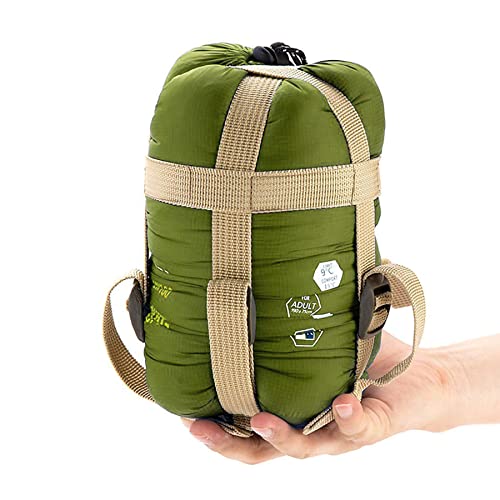
Compact 1.5-Pound Envelope Sleeping Bag

- 1.5-pound packed weight
- Compact 4.7 x 7.9-inch pack size
- 50°F–77°F comfort range
Best For: Warm-weather backpacking and lightweight backup use
Comfort-Focused Pick
Teton Celsius Regular Sleeping Bag

- Soft flannel lining and roomy rectangular shape
- Hood, draft tubes, and double-layer construction
- Includes compressible stuff sack; weighs 5 pounds
Best For: Comfort-focused campers and shorter backpacking trips
Lightweight Backpacking Pick

- About 3 pounds with a compression sack
- Waterproof shell and synthetic insulation
- Rated for 50–80°F three-season use
Best For: Lightweight three-season hiking and backpacking
Best Lightweight Warm-Weather Pick
- About 1.5–1.7 pounds and compressible
- Waterproof nylon shell with polyester lining
- 83-by-30-inch envelope design
Best For: Summer backpacking and mild-weather camping
Best Cold-Weather Mummy Bag
TETON Sports 20°F Sleeping Bag

- 20°F-rated mummy-style design
- Hood, draft tubes, and insulated footbox
- Includes compression sack and lifetime warranty
Best For: Cooler three-season backpacking and camping
Cold-Weather Value – Teton LEEF Mummy Sleeping Bag
For backpackers who want a roomier mummy shape and multiple temperature options, the Teton LEEF is a practical choice among sleeping bags for backpacking. It includes a compression sack and is available in 0°F, 20°F, and 30°F ratings, though the listed 0°F Regular version weighs 4.2 pounds.
Best For: Backpackers prioritizing versatile temperature ratings, a roomier mummy fit, and included compression storage.
Pros:
- Available in 0°F, 20°F, and 30°F options.
- Roomier mummy design allows easier movement.
- Includes a compression sack and lifetime warranty against material or workmanship defects.
Cons:
- The listed 0°F Regular model weighs 4.2 pounds, making it heavier than ultralight alternatives.
- The 72-inch maximum height recommendation may not suit taller backpackers.
The LEEF makes the most sense when warmth options and comfort matter more than minimizing pack weight. Check the selected temperature rating and size before buying.
Ultralight Down Pick – HLIMOUT Down Sleeping Bag with Pillow
The HLIMOUT down bag is aimed at backpackers who want low weight, compact storage, and premium insulation. Its 680-fill-power RDS-certified duck down, compression sack, and removable pillow give it a strong feature set for sleeping bags for backpacking, with temperature versions from 32°F down to 0°F.
Best For: Weight-conscious backpackers who value down insulation, compact packing, and an integrated pillow.
Pros:
- The filled 0.88-pound version weighs 2.16 pounds including the pillow.
- 680-fill-power RDS-certified white duck down provides lightweight insulation.
- Compresses to approximately 11.8 by 6.29 inches and includes a removable pillow.
- Two-way zipper, internal pocket, and water-repellent nylon shell add practical features.
Cons:
- Temperature performance varies by fill version, so buyers must select carefully.
- The listed warranty is one year.
This is the most backpacking-focused option in the group for shoppers seeking a lighter, more compressible down bag. Confirm the fill weight and temperature rating to match your planned conditions.
Cold-Weather Comfort – Coleman North Rim 0°F Sleeping Bag
The Coleman North Rim is built for cold-weather camping, with a 0°F rating, hollow polyester insulation, and a big-and-tall mummy design. For sleeping bags for backpacking, it offers useful warmth and ventilation features, but its larger cold-weather construction is better suited to trips where pack weight is less important.
Best For: Cold-weather campers and larger adults who need a roomy fit, adjustable hood, and substantial insulation.
Pros:
- Rated for temperatures as low as 0°F.
- Big-and-tall design fits campers up to 6 feet 2 inches.
- Thermolock draft tube helps reduce heat loss through the zipper.
- Adjustable hood and no-snag zipper support comfort and easier use.
Cons:
- The cold-weather design is less pack-friendly than lighter backpacking bags.
- Polyester insulation is typically bulkier than down at comparable warmth.
Choose the North Rim when dependable cold-weather coverage and a generous fit outweigh compactness. It is especially practical for car camping or backpacking routes where carrying volume is manageable.
Summer Ultralight – Compact 1.5-Pound Envelope Sleeping Bag
This compact envelope bag is designed for warm-weather trips where minimal carried weight matters. At 1.5 pounds and a packed size of about 4.7 by 7.9 inches, it is a convenient option among sleeping bags for backpacking, with a stated comfort range of 50°F to 77°F and a limit down to 32°F.
Best For: Summer backpackers, scouts, and travelers seeking a lightweight, compact bag for mild conditions.
Pros:
- Weighs 1.5 pounds and packs into a compact size.
- 79-inch length accommodates users up to a stated 6 feet 7 inches.
- Water-resistant, stain-proof shell and breathable nylon liner suit varied casual uses.
- Dual-side auto-lock zipper opens from either direction and helps prevent accidental opening.
Cons:
- Its 50°F to 77°F comfort range is not intended for serious cold-weather use.
- The product lists no warranty.
- The envelope shape may provide less heat retention than a mummy design.
This bag is a strong match for warm-season backpacking and backup use where small packed size is the priority. For colder nights, choose a bag with a lower verified comfort rating.
Comfort-Focused Pick – Teton Celsius Regular Sleeping Bag
For campers who prioritize roominess and warmth, the Teton Celsius is a comfortable choice among sleeping bags for backpacking. Its rectangular shape, soft poly-flannel lining, hood, and included stuff sack make it suited to relaxed camping trips, though its 5-pound weight is worth considering before carrying it deep into the backcountry.
Best For: Campers who want a roomy, warm sleeping bag for car camping, travel, and shorter backpacking outings.
Pros:
- Soft poly-flannel lining and spacious rectangular design promote comfort.
- Half-circle mummy-style hood helps retain warmth and keeps a pillow cleaner.
- Double-layer construction, draft tubes, and fiber fill help keep warmth in.
- Includes a durable stuff sack with heavy-duty compression straps.
Cons:
- At 5 pounds, it is heavier than many backpacking-oriented sleeping bags.
- Its rectangular design favors roominess over compact mummy-bag efficiency.
The Teton Celsius stands out for comfort, insulation features, and easy stuffing. Choose it when warmth and space matter more than minimizing pack weight.
Roomy All-Season Value – SOULOUT 3-4 Season Sleeping Bag
The SOULOUT 3-4 Season is a practical option for shoppers comparing sleeping bags for backpacking on a budget. It combines a water-resistant polyester shell, cozy interior, generous envelope shape, and a 4.5-pound packed weight for camping, hiking, and travel in mild to cooler conditions.
Best For: Adults and teens who want an affordable, roomy bag for spring, fall, and cooler summer camping.
Pros:
- Water-resistant outer shell helps repel light rain, moisture, and dew.
- Spacious rectangular envelope design fits users up to 7.1 feet tall.
- High-loft polyester insulation is suited to a stated 32–77°F range.
- Machine-washable construction and included stuff sack simplify upkeep and transport.
Cons:
- Its 4.5-pound weight may feel bulky for weight-conscious backpackers.
- The stated temperature range is broad, so comfort can vary with conditions and clothing.
- A 30-day no-return warranty is relatively limited.
With its roomy fit, easy-care fabric, and moisture-resistant shell, the SOULOUT is a versatile recreational camping bag. It is less compelling for ultralight trips where every ounce counts.
Lightweight Backpacking Pick – MalloMe 3-Season Sleeping Bag
For hikers seeking lighter sleeping bags for backpacking, the MalloMe offers a useful balance of portability and weather protection. It weighs about 3 pounds, includes a compression sack, and uses a waterproof outer shell with synthetic insulation for spring, summer, fall, and cool-weather trips.
Best For: Adults and kids who need a compact, lightweight bag for three-season hiking, backpacking, and camping.
Pros:
- About 3 pounds and supplied with a compression sack for easier carrying.
- Waterproof hex-tech outer shell and double-layer construction help protect against moisture.
- Fits adults up to 6 feet and provides a stated 50–80°F comfort range.
- Snag-free double-sided zippers, hood drawstrings, and a securing strap add convenience.
Cons:
- Its 50–80°F rating is not intended for genuinely cold-weather camping.
- Rectangular construction is less streamlined than a mummy-style bag.
- Its listed 1.3 kg weight is heavier than some ultralight alternatives.
The MalloMe is the most backpacking-oriented option here thanks to its lighter build and compression sack. It makes the most sense for three-season trips where compact carrying and moisture resistance are priorities.
Best Lightweight Warm-Weather Pick – ECOOPRO Compact Sleeping Bag
For warm-weather trips, the ECOOPRO is a compact option among sleeping bags for backpacking. Its nylon shell is described as waterproof and durable, while the polyester lining is breathable and skin-friendly. At about 1.5–1.7 pounds and compressible to roughly 11 inches, it is easy to carry on hiking and camping trips.
Best For: Summer backpacking, camping, hiking, and other mild-weather outdoor trips.
Pros:
- Lightweight design with a compact compression sack.
- Waterproof nylon outer material and breathable polyester lining.
- 83-by-30-inch envelope shape fits most adults and can also accommodate two children.
- Can be used as a sleeping bag or camping comforter.
Cons:
- Its stated comfort range of 55–60°F makes it less suitable for cold-weather backpacking.
- Envelope shape provides less body-hugging insulation than a mummy bag.
The ECOOPRO prioritizes low weight, packability, and versatility over cold-weather performance. It is a practical choice when your route involves mild temperatures and you want to minimize pack bulk.
Best Cold-Weather Mummy Bag – TETON Sports 20°F Sleeping Bag
The TETON Sports mummy bag is a warmer, more structured option among sleeping bags for backpacking. Its mummy hood, zipper draft tubes, and insulated vaulted footbox are designed to help retain warmth, while the microfiber insulation balances loft, compressibility, and comfort. The supplied details list a 20°F temperature rating and a 2.9-pound weight.
Best For: Backpackers and campers who need a mummy-style bag for cooler three-season conditions.
Pros:
- Mummy hood helps reduce heat loss around the head and face.
- Draft tubes and an insulated footbox add warmth and comfort.
- Includes a compression sack with heavy-duty tightening straps.
- Lifetime warranty covers defects in materials or workmanship for the original owner.
Cons:
- At 2.9 pounds, it is heavier than ultralight warm-weather options.
- The standard 87-by-32-inch mummy design may feel more restrictive than a rectangular bag.
With its 20°F rating and heat-retaining construction, this TETON model is the strongest fit here for colder trips. Its added warmth comes with more weight, so it makes the most sense when temperature protection matters more than ultralight packing.
Best Budget Three-Season Option – Lightweight Waterproof Camping Bag
This rectangular sleeping bag offers a roomy, budget-oriented choice for sleeping bags for backpacking and general outdoor use. Its polyester shell is described as waterproof and breathable, with a pongee lining and hollow-fiber filling. The bag weighs 3.3 pounds and is designed for temperatures around 50–68°F, with a listed recommended limit range of 41–77°F.
Best For: Casual three-season camping, family trips, youth outings, and budget-conscious travelers.
Pros:
- Roomy 31.5-by-86.6-inch rectangular shape fits users up to 5 feet 11 inches.
- Water-resistant, breathable polyester outer fabric helps protect against dampness.
- Drawstring hood and foot zipper allow some warmth and ventilation adjustment.
- Compression packing size is listed at about 7.9–14.2 inches.
Cons:
- At 3.3 pounds, it is relatively heavy for backpacking.
- The listed 50–68°F comfort range is not intended for genuinely cold conditions.
- Its rectangular shape may pack less efficiently than a mummy bag.
This model emphasizes room, simple adjustability, and affordability rather than minimal trail weight. It can work for shorter backpacking trips and casual camping, especially when the extra weight is acceptable.
How We Picked These Sleeping Bags for Backpacking
We selected bags representing the most common backpacking needs: ultralight summer travel, three-season camping, cold-weather trips, youth and adult sizing, and budget-conscious use. We considered listed temperature ratings, insulation, weight, packed size, weather-resistant materials, hood and zipper features, and overall versatility. Because comfort ratings and temperature testing can vary by brand, treat published ratings as a starting point rather than a guarantee.
Quick Comparison
Ultralight compact models are easiest to carry on long hikes, but they generally provide less insulation and room. Mummy bags from Teton and Coleman prioritize warmth and heat retention for colder nights. Down-filled options can offer an excellent warmth-to-weight ratio and compress well, while synthetic bags are often more affordable, easier to care for, and more forgiving in damp conditions. Roomier models may suit casual camping or larger sleepers but usually add weight and bulk.
Key Buying Factors for Sleeping Bags for Backpacking
Temperature Rating
Choose a rating based on the lowest nighttime temperature you expect, with some margin for personal comfort. A 0°F bag is intended for substantially colder conditions than a 20°F or 32°F model. Also check whether the rating is a lower limit or a comfort rating.
Weight and Packed Size
For backpacking, every ounce matters. Compare total weight and compressed dimensions, not just the bag’s advertised insulation. Compression sacks can save space, but avoid storing down or synthetic insulation compressed for long periods.
Insulation and Moisture Resistance
Down is light, warm, and highly compressible, but it loses performance when wet unless treated or carefully protected. Synthetic insulation usually dries faster and performs more reliably in humid or rainy conditions.
Fit, Shape, and Features
Mummy shapes retain heat efficiently, while rectangular designs provide more sleeping room. Look for a well-sealed hood, draft collar or tube, snag-resistant zipper, interior pocket, and enough shoulder and foot space to move comfortably.
Who Should Buy Which Sleeping Bags for Backpacking?
Choose an ultralight compact bag if you prioritize low pack weight and expect mild conditions. Pick a 20°F to 32°F option for general three-season backpacking. For winter or near-freezing trips, select a colder-rated mummy bag and verify the forecast, insulation, and sleep system together. Down is ideal for dry climates and weight-conscious hikers; synthetic insulation is the safer practical choice for damp environments or frequent budget camping. Families and occasional campers may prefer a roomier, easier-care bag over a highly compressible technical model.