The best freestanding camping tents make setup simpler while giving you a stable, comfortable shelter at camp. This roundup compares 10 options ranging from compact backpacking designs to roomy family cabins.
Use the guide below to match tent capacity, weather protection, setup speed, portability, and interior space with the way you camp.
Best 10 Freestanding Camping Tents Picks for 2026
Best for Two-Vestibule Storage

- Two vestibules and two doors
- Color-coded, beginner-friendly setup
- 1200mm rainfly for three-season use
Best For: Car campers wanting convenient gear storage
Best Budget Dome
Amazon Basics 2-Person Camping Tent

- Sets up in under four minutes
- Water-resistant polyester with welded seams
- Includes removable rainfly and storage pocket
Best For: Affordable short trips and beginner camping
Best Instant Family Setup
FanttikOutdoor Zeta C6 Pro Tent

- Sets up in under 60 seconds
- 66-inch height and roomy cabin layout
- Four windows, vents, and ceiling mesh
Best For: Family camping with quick setup and ventilation
Best for Large Groups
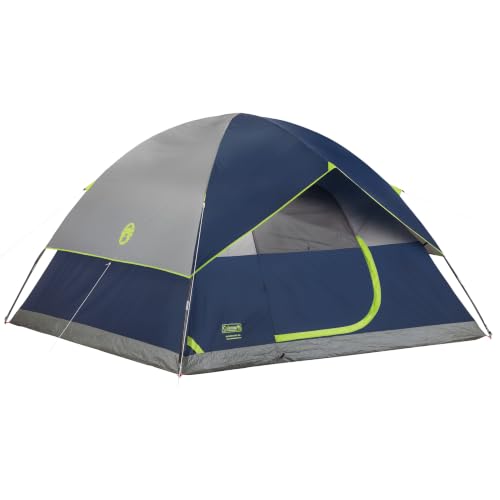
- Fits two queen-size airbeds
- Six-foot center height
- WeatherTec construction and ventilation
Best For: Family camping and spacious drive-in campsites
Ultralight Backpacking Pick

- 4.5-pound minimum trail weight
- PU 5000 waterproof polyester shell
- Two doors and two vestibules
Best For: Lightweight backpacking and two-person trips
Family Cabin Value

- 90 square feet of interior space
- 78-inch standing-height center
- Five mesh windows plus roof ventilation
Best For: Family car camping and group campsites
Large Group Room-Divider Pick

- 126 square feet for up to eight people
- Divider creates two interior rooms
- Five mesh windows and mesh roof
Best For: Large families and shared campsite sleeping
Best Lightweight Pick

- About 4.7 pounds for easier transport
- Three-minute, one-person setup
- Rainfly and mesh ventilation included
Best For: Couples, solo campers, and compact camping setups
Best for Fast Family Setup

- Sets up in under five minutes
- Six-foot height and 86 square feet of floor area
- WeatherTec construction with rainfly
Best For: Families and groups camping at established sites
Best Tall Family Cabin

- 79-inch center height for standing room
- 90 square feet with five mesh windows
- Rainfly, electrical port, and quick setup
Best For: Families wanting a tall, comfortable campsite tent
Best for Two-Vestibule Storage – Kelty Wireless 2-Person Tent
The Kelty Wireless is one of the more storage-friendly freestanding camping tents for car campers and backyard overnights. Its two vestibules provide room for gear, while the color-coded setup points and Quick Corners simplify pitching.
Best For: Couples or solo campers who want easy setup, a tall interior, and covered storage for gear.
Pros:
- Freestanding design with two doors and two vestibules
- Color-coded attachment points and Quick Corners make setup approachable
- 68D polyester construction with a 1200mm rainfly and waterproof rating
- Shark Mouth duffel makes repacking easier
Cons:
- Recommended primarily for car camping rather than lightweight backpacking
- The listed two-person version has 29 square feet of floor area
The Wireless stands out when convenient access and gear organization matter more than ultralight packing. Its two-vestibule layout is especially practical for keeping footwear and equipment outside the sleeping area.
Best Budget Dome – Amazon Basics 2-Person Camping Tent
The Amazon Basics dome is a straightforward choice among freestanding camping tents for short camping, hiking, and backpacking trips. Shock-corded fiberglass poles and snag-free sleeves support setup in less than four minutes.
Best For: Budget-conscious campers who need a compact two-person dome tent with a removable rainfly.
Pros:
- Freestanding dome design with a 7-by-5-foot footprint
- Shock-corded poles support quick setup
- Coated polyester, welded seams, and a removable rainfly provide water resistance
- Interior mesh pocket and compact storage bag add convenience
Cons:
- Single-door, single-room layout offers less entry flexibility
- One interior pocket provides limited organization
This tent keeps the design simple and the setup time short. Its 45-inch listed center height and two-person footprint suit campers prioritizing basic shelter over extra living space.
Best Instant Family Setup – FanttikOutdoor Zeta C6 Pro Tent
The FanttikOutdoor Zeta C6 Pro is a spacious instant option among freestanding camping tents, using pre-installed poles for setup in under 60 seconds. Its cabin-style interior, four mesh windows, and ceiling ventilation are designed for family-oriented camping.
Best For: Families and groups seeking fast setup, standing room, and generous warm-weather ventilation.
Pros:
- Pre-installed frame enables setup in about 60 seconds
- 120-by-108-inch floor and 66-inch center height provide substantial room
- Four mesh windows, floor vents, and ceiling mesh improve airflow
- Includes a power cord entrance and built-in mesh pockets
Cons:
- The inner mesh roof is not waterproof without the outer tent
- At 16.8 pounds, it is oriented more toward portable family camping than backpacking
- Rain protection depends on properly using and tensioning the rainfly and guylines
The Zeta C6 Pro emphasizes convenience and livability, with an instant frame and cabin-like height. It is a strong fit for campsites where quick setup and interior space are more important than minimal weight.
Best for Large Groups – Coleman Sundome 6-Person Tent
The Coleman Sundome is a practical large-capacity choice among freestanding camping tents, offering a 10-by-10-foot floor and six-foot center height. Its WeatherTec features, large windows, and ground vent make it suited to family camping, festivals, and backyard use.
Best For: Families or groups needing room for two queen-size airbeds and comfortable standing height.
Pros:
- Six-person interior fits two queen-size airbeds
- Six-foot center height allows easier movement and changing
- WeatherTec welded corners and inverted seams help keep water out
- Large windows and a ground vent support airflow
Cons:
- Its larger footprint is less convenient for compact campsites
- Listed setup time is about 10 minutes, slower than instant-tent designs
- Single-room construction provides no separate sleeping area
The Sundome prioritizes usable family space and familiar setup over compactness. It makes sense for drive-in campsites, festivals, and backyard sleepovers where a roomy floor and standing height are valuable.
Ultralight Backpacking Pick – Clostnature 2-Person Tent
For hikers comparing freestanding camping tents, the Clostnature 2-person model stands out for its low trail weight, compact packed size, and fast setup. Its waterproof PU 5000 coating, sealed seams, aluminum poles, and included rainfly make it a practical three-season choice for backpacking and other lightweight adventures.
Best For: Backpackers, hikers, and two-person camping trips where weight and portability matter.
Pros:
- Lightweight 4.5-pound minimum trail weight and compact 16.5-inch packed length.
- Waterproof PU 5000 polyester construction with factory-sealed seams.
- Two doors, two vestibules, and mesh walls support ventilation and gear storage.
- Freestanding design can be pitched by one person in about three minutes.
Cons:
- The 2-person interior is compact compared with family-size tents.
- Its three-season design is not intended as a dedicated winter tent.
Choose this model when a portable freestanding tent is more important than spacious living area. The aluminum poles, repair kit, stakes, and one-year guarantee add practical value for regular outdoor use.
Family Cabin Value – UNP 6-Person Tent
Among freestanding camping tents for family car camping, the UNP 6-person cabin tent offers 90 square feet of floor space and a 78-inch center height. Its rainfly, waterproof coating, steel poles, and extensive mesh ventilation create a roomy base camp for families and groups.
Best For: Families and groups needing standing room for car camping, festivals, or established campsites.
Pros:
- Spacious 10-by-9-foot interior fits six sleeping bags or two air mattresses.
- 78-inch center height allows most campers to stand while changing.
- One large mesh door, five mesh windows, and a mesh roof improve airflow and views.
- Freestanding setup takes about five minutes for two people.
Cons:
- At about 18 pounds, it is better suited to car camping than backpacking.
- Only one door is provided.
- The included design has one main room rather than a room divider.
This UNP tent is a sensible choice when interior volume and standing height outweigh low weight. Its steel-pole construction and rainfly support stable, weather-conscious campsite use, while the one-year quality assurance adds purchase reassurance.
Large Group Room-Divider Pick – CAMPROS CP 8-Person Tent
For shoppers seeking large freestanding camping tents, the CAMPROS CP provides 126 square feet of space in a 14-by-9-foot layout. Its straight-wall design, 72-inch center height, rainfly, sealed seams, and removable divider make it useful for extended family camping and shared sleeping arrangements.
Best For: Large families or groups wanting a spacious two-room campsite setup.
Pros:
- 126-square-foot interior accommodates up to eight people.
- Room divider creates two spaces and can double as a projector screen.
- Five large mesh windows, mesh roof, and doors support ventilation.
- Two people can set it up in about five minutes.
Cons:
- Its 8 kg weight makes it impractical for backpacking.
- The 72-inch height is lower than the UNP model’s 78-inch center height.
- Only one door is listed.
The CAMPROS CP is a strong fit when a roomy, divided interior matters more than compact transport. Its weather-resistant double-layer design and included carry bag, stakes, and divider make it well suited to drive-up campsites.
Best Lightweight Pick – 2-Person Dome Tent
If you want a compact freestanding camping tent for solo trips or two-person outings, this dome model emphasizes portability and quick setup. It weighs about 4.7 pounds, offers 35 square feet of floor area, and includes a removable rainfly for added weather protection.
Best For: Couples, solo campers who want extra room, and backyard or beach camping.
Pros:
- Lightweight design with a 7-by-5-foot floor and 45-inch center height.
- Quick setup in about three minutes by one person.
- Mesh window, skylight, and interior pocket support ventilation and organization.
- Includes a removable rainfly and wind-stability ropes and stakes.
Cons:
- Its 45-inch height is relatively low for sitting or changing clothes.
- One door and one storage pocket provide limited access and organization.
This tent is a practical choice when low carry weight matters more than standing room. Its freestanding dome shape and included rainfly make it a versatile option for fair-weather camping with basic rain and wind coverage.
Best for Fast Family Setup – Coleman Skydome 6-Person Tent
The Coleman Skydome is a spacious freestanding camping tent designed for groups that prioritize setup speed and interior room. Its pre-attached poles help it go up in under five minutes, while nearly vertical walls provide 20% more headroom than traditional Coleman dome tents.
Best For: Families and groups seeking a roomy three-season tent with convenient setup.
Pros:
- 10-by-8.5-foot floor and 6-foot center height accommodate up to six people.
- Pre-attached poles support setup in under five minutes.
- WeatherTec features, including welded corners and inverted seams, help limit water entry.
- Mesh pockets and a gear loft keep small items organized.
Cons:
- At 86 square feet, it may be more tent than smaller groups need.
- It has one door, which may be less convenient for a full-capacity group.
- It is rated for three-season use rather than year-round conditions.
Choose this model if fast pitching and usable headroom are higher priorities than minimal packed size. Its rainfly, weather-focused construction, and large floor make it well suited to established campsites and family trips.
Best Tall Family Cabin – 6-Person Cabin Tent
This freestanding camping tent takes a cabin-style approach, pairing a 79-inch center height with 90 square feet of floor space. The tall interior, five mesh windows, removable rainfly, and electrical access port make it a practical choice for family camping and longer stays.
Best For: Families and groups that want standing room, ventilation, and campsite-friendly features.
Pros:
- 79-inch center height allows most campers to stand comfortably.
- 10-by-9-foot interior can accommodate up to six campers or a king-size air mattress with gear.
- Five large windows and a mesh top improve airflow and views.
- PU-coated fabric, a thickened PE floor, removable rainfly, guylines, and stakes support wet-weather camping.
Cons:
- At 16.5 pounds, it is substantially heavier than the two-person dome option.
- Two people are recommended for the roughly three-minute setup.
- It has one room and one door, limiting separation and entry options.
This is the strongest fit for campers who value a roomier, more home-like interior over lightweight transport. Its tall cabin profile and multiple ventilation points add comfort, while the included rainfly and waterproof-focused materials support variable conditions.
How We Picked These Freestanding Camping Tents
We selected these tents to cover the most common camping needs, including solo and two-person backpacking, weekend car camping, festivals, backyard use, and larger family trips. We looked for practical differences in capacity, setup style, pole construction, ventilation, rain protection, packed portability, and interior livability.
Because tent capacity labels are not standardized, we also considered how usable the space is in practice. A tent’s floor dimensions, peak height, door layout, windows, vestibules, and room dividers can matter as much as the stated person count.
Quick Comparison
| Best For | Look For | Shortlist Options |
|---|---|---|
| Solo or lightweight trips | Low packed weight and aluminum poles | Clostnature |
| Couples and small groups | Easy setup and balanced space | Kelty, Coleman Sundome, Coleman Skydome |
| Fast setup | Instant or preattached-frame design | FanttikOutdoor, Coleman Skydome |
| Families | Tall cabin layout, windows, and dividers | UNP, CAMPROS, Happy Travel |
| Budget camping | Basic dome construction and rainfly | Amazon Basics, dome tent option |
Key Buying Factors for Freestanding Camping Tents
Capacity and Interior Layout
Choose by actual sleeping needs rather than the maximum advertised capacity. A six-person tent may fit six sleeping bags closely, but a family with luggage will usually appreciate an eight-person model or a room divider. Cabin-style tents provide more standing room, while dome tents generally handle wind more efficiently.
Weather Protection
Check whether the rainfly covers the full tent or only the roof, and look for a bathtub-style floor, sealed seams, durable fabric, and sturdy stake points. A waterproof rating can help, but site selection and proper tensioning remain important. For exposed campsites, prioritize stable pole structures and wind-resistant geometry.
Setup, Portability, and Ventilation
Instant tents can save time, but their integrated frames may add bulk and weight. Traditional freestanding designs are often easier to reposition before staking. Mesh doors, windows, and roof vents reduce condensation, while multiple doors make larger tents easier to share.
Size and Comfort Features
Compare floor measurements, peak height, door clearance, storage pockets, electrical access, and included carry bags. More headroom is useful for changing clothes and moving around, but taller walls can catch more wind and increase packed size.
Who Should Buy Which Freestanding Camping Tents?
Backpackers should favor the lightest suitable model, especially the compact aluminum-pole option. Couples and casual campers will likely prefer a two- to four-person dome with straightforward setup. Shoppers who value speed should consider an instant or rapid-setup design.
Families and groups should prioritize floor space, standing height, ventilation, and room separation over the smallest packed size. For occasional backyard or festival use, a budget dome can be sufficient; for frequent trips or unsettled weather, spend more on stronger construction, better coverage, and easier organization.