Finding the best running shoes for metatarsalgia means prioritizing forefoot comfort without sacrificing stability, fit, or everyday versatility. The right pair can reduce pressure on the ball of the foot while helping you stay active.
This roundup compares cushioned road shoes, supportive athletic footwear, wide-fit options, and metatarsal insoles so you can choose a setup that matches your symptoms, running habits, and budget.
Best 10 Running Shoes for Metatarsalgia Picks for 2026
Wide-Fit Trail Comfort
Men's Wide Orthopedic Trail Running Shoes

- Roomy toe box supports natural toe spread
- Structured arch support with moderate cushioning
- Traction for trails, pavement, and wet surfaces
Best For: Wide or pressure-sensitive feet needing trail and everyday versatility
Soft Road Cushioning
New Balance Women's Fresh Foam Arishi V4

- Fresh Foam cushioning for a soft ride
- Lightweight, breathable mesh construction
- Neutral support for road running and daily wear
Best For: Neutral road runners prioritizing light weight and cushioning
Balanced Road Support
Under Armour Men's Charged+ Assert 11

- Charged+ cushioning for everyday softness
- Mesh upper with supportive leather overlays
- Flexible rubber outsole for road and treadmill use
Best For: Neutral road or treadmill runners wanting balanced cushioning
Everyday Impact Cushioning

- ABZORB heel cushioning absorbs impact
- Maximum cushioning with a cushioned footbed
- Durable suede upper and rubber outsole
Best For: Walking, cross-training, and everyday firm-ground comfort
Balanced Road Comfort
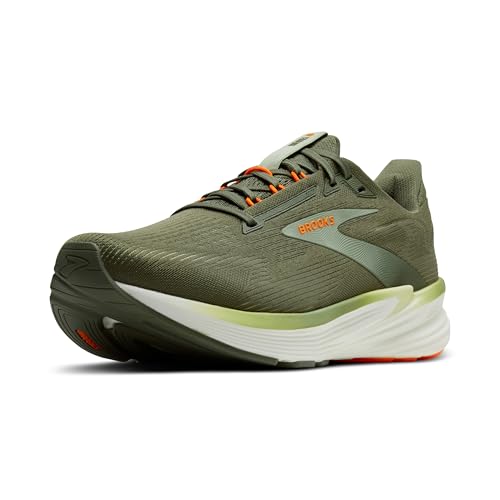
- Adaptable DNA Loft v2 cushioning
- Breathable mesh and lightweight outsole
- Neutral fit for road and treadmill use
Best For: Neutral runners and walkers wanting versatile, moderately cushioned comfort
Orthotic Arch Support
OrthoComfoot Women’s Road Running Shoes

- Targeted arch support and deep heel cup
- Maximum cushioning with shock-absorbing midsole
- Breathable, traction-focused athletic design
Best For: Walkers and runners wanting supportive, maximum-cushioning comfort
Maximum Pressure Relief

- High-stack DNA Loft v3 cushioning
- Wide base for a stable ride
- GlideRoll Rocker supports smooth transitions
Best For: Runners and walkers prioritizing maximum cushioning and underfoot pressure reduction
Targeted Forefoot Relief
Welnove Metatarsal Running Insoles

- Metatarsal pad targets ball-of-foot pressure
- Gel forefoot cushion absorbs running impact
- Arch support with breathable, non-slip design
Best For: Runners adding forefoot support to compatible shoes
Lightweight Neutral Cushioning
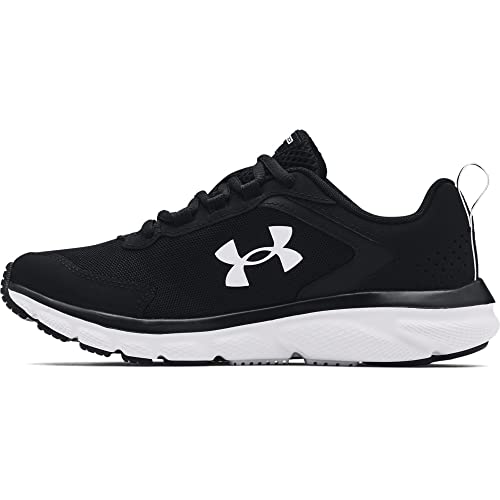
- Moderate Charged Cushioning
- Lightweight mesh upper
- Neutral, firm-ground running design
Best For: Everyday runners wanting a lightweight neutral shoe
Wide-Fit Trail Comfort – Men's Wide Orthopedic Trail Running Shoes
For runners seeking running shoes for metatarsalgia, this OrthoComfoot model emphasizes a roomy toe box that allows natural toe spread. Its arch support, moderate cushioning, and shock-absorbing midsole make it a practical option for trail outings, pavement, and extended time on your feet.
Best For: Wide, swollen, bunion-prone, or diabetic feet needing a spacious athletic shoe for walking, hiking, light running, and everyday wear.
Pros:
- Wide toe box helps reduce pressure around the forefoot and accommodates bunions and hammer toes.
- Structured arch support is designed to distribute pressure and support flat feet and overpronation.
- Shock-absorbing EVA midsole and textured rubber outsole suit pavement, trails, and uneven surfaces.
- Lightweight mesh upper promotes airflow and helps reduce foot fatigue.
Cons:
- Not water resistant.
- Moderate cushioning may feel less plush than maximum-cushion running shoes.
- The orthopedic design may look less streamlined than a conventional road-running shoe.
This is the most forefoot-friendly choice in the group, particularly when toe-room and pressure distribution matter more than a highly specialized road-running build.
Soft Road Cushioning – New Balance Women's Fresh Foam Arishi V4
The New Balance Fresh Foam Arishi V4 is a lightweight road shoe to consider among running shoes for metatarsalgia, especially if a soft, cushioned ride is your priority. Its breathable mesh upper, neutral support, and Fresh Foam midsole are suited to everyday running and casual wear.
Best For: Women wanting a lightweight, neutral road-running shoe with soft cushioning for everyday runs, workouts, and all-day use.
Pros:
- Fresh Foam midsole provides a soft, cushioned ride.
- Lightweight 194-gram design helps limit bulk and fatigue.
- Breathable mesh upper with no-sew overlays supports a comfortable fit.
- Durable rubber outsole is designed for road running and daily athletic activity.
Cons:
- Neutral support may not suit runners seeking dedicated pronation correction.
- Road-focused outsole is less appropriate for trails or uneven terrain.
- Not water resistant.
Choose this model when cushioning and low weight are central considerations. Its neutral platform offers a straightforward road option, but runners needing a wider or more structured forefoot fit may prefer another shoe.
Balanced Road Support – Under Armour Men's Charged+ Assert 11
For shoppers comparing running shoes for metatarsalgia, the Under Armour Charged+ Assert 11 offers a balanced combination of cushioning, flexibility, and midfoot support. It is built for road and treadmill use, with a mesh upper, leather overlays, and a durable outsole with flex grooves.
Best For: Neutral male runners looking for a road or treadmill shoe with moderate cushioning, flexible toe-off, and added midfoot structure.
Pros:
- Charged+ midsole cushioning provides softness for everyday comfort.
- Leather overlays add dimension and midfoot support to the athletic mesh upper.
- Rubber outsole includes flex grooves to support toe-off and traction.
- Neutral design balances flexibility and cushioning for road running.
Cons:
- Moderate cushioning may not provide enough underfoot protection for runners wanting maximum cushioning.
- Neutral support is not intended as a dedicated pronation-correction system.
- Not water resistant.
This model is a sensible middle-ground option for road and treadmill runners. It offers more structural reinforcement than a very minimal mesh shoe, while remaining flexible enough for regular training.
Everyday Impact Cushioning – New Balance Women's 608 V5
The New Balance 608 V5 is a cross-training and everyday comfort shoe rather than a dedicated road runner. Still, its ABZORB heel cushioning, maximum cushioning level, and cushioned footbed make it worth considering among running shoes for metatarsalgia when walking, training, and long periods on firm ground are also part of your routine.
Best For: Women needing a supportive casual cross-trainer for everyday wear, gym activities, walking, and extended time on firm surfaces.
Pros:
- ABZORB heel cushioning and an IMEVA midsole help absorb impact.
- Maximum cushioning and a lightly cushioned footbed add underfoot comfort.
- Suede leather upper provides a structured, durable feel.
- Sturdy rubber outsole offers traction on gym floors, sidewalks, and firm ground.
Cons:
- Designed for cross-training and casual use rather than dedicated running.
- Leather construction may feel less breathable than a full mesh running upper.
- Neutral arch design does not provide specialized pronation correction.
This is the practical pick for daily comfort and cross-training, particularly if heel impact absorption matters. Dedicated runners may prefer the lighter, more running-specific models elsewhere in this roundup.
Balanced Road Comfort – Brooks Men’s Revel 8
Brooks Men’s Revel 8 Neutral Running & Walking Shoe - Olive/Tea/Orange - 10.5 Medium
Check Price On AmazonThe Brooks Revel 8 is a versatile option among running shoes for metatarsalgia, pairing moderate-to-high cushioning with a smooth, neutral ride. Its adaptable DNA Loft v2 foam is designed to help deflect impact, while the breathable mesh upper suits road runs, treadmill sessions, and walks.
Best For: Neutral runners and walkers who want a lightweight, adaptable shoe for workouts and everyday wear.
Pros:
- Adaptable DNA Loft v2 cushioning provides comfortable impact protection.
- Breathable engineered mesh helps promote airflow.
- Lightweight RoadTack rubber outsole offers traction and responsiveness.
- APMA Seal of Acceptance and a versatile run-to-rest design.
Cons:
- Moderate-to-high cushioning may provide less underfoot protection than maximum-cushioning models.
- Neutral construction may not suit runners seeking pronation correction.
- Not water resistant.
The Revel 8 is a practical pick if you want a relatively light, neutral shoe with flexible cushioning. For metatarsalgia concerns, its impact-deflecting foam may be useful, though the moderate-to-high cushioning is less substantial than the Ghost Max 3’s higher stack.
Orthotic Arch Support – OrthoComfoot Women’s Road Running Shoes
These OrthoComfoot shoes emphasize supportive features that may appeal to shoppers comparing running shoes for metatarsalgia. They combine targeted arch support, a deep heel cup, maximum cushioning, and a shock-absorbing midsole for running, walking, and everyday activities.
Best For: Walkers and runners seeking maximum cushioning, medium-arch support, and an orthopedic-style athletic shoe.
Pros:
- Targeted orthotic arch support and a deep heel cup are designed to reduce foot pressure.
- Maximum cushioning and a thick midsole help absorb shock.
- Breathable mesh construction supports airflow.
- Durable rubber outsole provides non-slip traction across indoor and outdoor surfaces.
Cons:
- The medium-arch design may not suit every foot shape.
- Its stated sport and use details are broad, so dedicated runners may prefer a more running-specific model.
- Maximum cushioning and orthopedic support may feel less streamlined than a lightweight neutral shoe.
With its emphasis on arch support, deep heel containment, and maximum cushioning, this is the most support-focused option in the group. Check the fit carefully, especially if your arch profile differs from medium or you prefer a minimal, flexible ride.
Maximum Pressure Relief – Brooks Women’s Ghost Max 3
Brooks Women’s Ghost Max 3 Neutral Running & Walking Shoe - Coconut/Chateau Grey/Blue - 9.5 Medium
Check Price On AmazonThe Brooks Ghost Max 3 stands out among running shoes for metatarsalgia with a high stack of DNA Loft v3 cushioning and a wide base designed to reduce pressure underfoot. Its GlideRoll Rocker supports smooth heel-to-toe transitions, making it suitable for road running, treadmill use, and walking.
Best For: Runners and walkers who prioritize maximum cushioning, a broad stable platform, and smooth transitions.
Pros:
- High-stack DNA Loft v3 cushioning is designed to reduce underfoot pressure.
- Wide base and raised sidewalls provide a stable-feeling ride.
- GlideRoll Rocker assists heel-to-toe transitions.
- Linear last construction adds volume for various foot shapes and orthotics.
Cons:
- Maximum cushioning and a high stack may feel less lightweight or close to the ground.
- Neutral construction does not provide pronation correction.
- Not water resistant.
The Ghost Max 3 is the strongest match here for shoppers who want substantial cushioning and pressure reduction without giving up a running-oriented design. Its wide base and rocker add stability and transition support, while the roomy construction may help accommodate orthotics.
Targeted Forefoot Relief – Welnove Metatarsal Running Insoles
For shoppers seeking running shoes for metatarsalgia, these Welnove orthotic insoles add targeted forefoot cushioning and metatarsal support to compatible running, walking, hiking, and trail shoes. Their elastic gel forefoot cushion is designed to absorb impact, while the non-slip base helps keep the insert in place.
Best For: Runners and active users who want metatarsal support, arch reinforcement, and breathable cushioning in compatible footwear.
Pros:
- Built-in metatarsal pad targets ball-of-foot pressure and Morton’s neuroma discomfort.
- Elastic forefoot gel cushion absorbs impact during walking and running.
- Multi-density foam supports medium arches and accommodates regular or wide feet.
- Moisture-wicking fabric and ventilation help keep feet dry.
Cons:
- Only the listed size, women’s 9–9.5/men’s 7–7.5, is specified in the supplied details.
- May require checking shoe volume and fit before use.
This is a feature-rich insert option when your current running shoes fit well but need more forefoot cushioning and structured support for metatarsalgia-related discomfort.
Lightweight Neutral Cushioning – Under Armour Charged Assert 9
Under Armour Womens Charged Assert 9DISC Running Shoe, Black/White, 7.5 Wide US
Check Price On AmazonWhen comparing running shoes for metatarsalgia, the Under Armour Women’s Charged Assert 9 offers a lightweight athletic shoe with moderate Charged Cushioning and a mesh upper. Its neutral setup and firm-ground rubber outsole make it a straightforward option for everyday running and sports use.
Best For: Runners seeking a lightweight, neutral shoe with moderate cushioning for firm-ground running and casual athletic wear.
Pros:
- Charged Cushioning provides moderate underfoot cushioning.
- Lightweight mesh construction supports breathability.
- Neutral pronation setup suits runners who do not require built-in correction.
- Rubber sole is intended for firm-ground surfaces.
Cons:
- The supplied details do not identify a dedicated metatarsal pad or forefoot-specific support.
- Moderate cushioning may not meet every runner’s preference for maximum impact protection.
- It is not water resistant according to the supplied specifications.
This shoe may work for runners who prefer a neutral, lightweight platform, but shoppers with metatarsalgia should pay close attention to forefoot comfort and available room in the toe box.
Customizable Forefoot Support – Metatarsal Sports Insoles
For running shoes for metatarsalgia that need added forefoot support, these trim-to-fit insoles combine a built-in metatarsal pad with cushioning for sports, running, and daily standing. A stabilizing heel cup and high-density forefoot and heel padding are designed to improve comfort without restricting natural foot movement.
Best For: Runners, athletes, and workers who need customizable metatarsal cushioning in sneakers, boots, or casual shoes.
Pros:
- Built-in metatarsal pad targets pressure at the ball of the foot.
- Responsive cushioning is designed for running, quick cuts, jumps, and lateral movement.
- High-density forefoot and heel padding helps absorb impact and reduce fatigue.
- Trim-to-fit lines and a stabilizing heel cup support a customizable fit.
Cons:
- The listed model is designed for low arches, which may not suit every foot type.
- These are inserts rather than complete running shoes, so shoe compatibility still matters.
The trim-to-fit format makes this a versatile choice for adapting several pairs of footwear, especially when forefoot pressure and all-day standing comfort are priorities.
How We Picked the Best Running Shoes for Metatarsalgia
We focused on features that matter when the forefoot needs extra protection: cushioning, stable platforms, roomy toe boxes, supportive footbeds, breathable uppers, and practical everyday comfort. The selection includes established running-shoe models, walking and cross-training shoes, wide orthopedic-style options, and insoles with metatarsal pads.
Because metatarsalgia can have different causes, no shoe works equally well for everyone. We considered how each option may fit common needs such as road running, standing for long periods, casual wear, or adding targeted forefoot support to an existing shoe.
Quick Comparison
- Best for maximum cushioning: Brooks Women’s Ghost Max 3.
- Best for a versatile running shoe: Brooks Men’s Revel 8.
- Best for everyday cross-training: New Balance Women’s 608 V5.
- Best for budget-friendly road running: Under Armour Charged Assert models.
- Best for wide or orthopedic-style support: the men’s wide trail running shoe and OrthoComfoot women’s running shoes.
- Best for adding forefoot support: Welnove or Metatarsal Relief insoles.
Key Buying Factors for Running Shoes for Metatarsalgia
Cushioning and Forefoot Protection
Look for cushioning that softens impact under the ball of the foot without feeling unstable. Max-cushion designs can be helpful for repeated road impact, while moderate cushioning may feel more responsive for shorter runs.
Toe-Box Room and Width
A cramped toe box can increase pressure across the forefoot. Choose a size and width that let your toes spread naturally, and check the manufacturer’s measurements rather than assuming every brand fits the same.
Support and Stability
Arch support and a stable sole can help distribute load more evenly, especially if overpronation or fatigue contributes to discomfort. Avoid excessive support if it creates a new pressure point.
Fit, Insoles, and Break-In Time
Try shoes later in the day, when feet are slightly swollen, and wear the socks you normally run in. Metatarsal insoles can add targeted support, but they must sit behind the ball of the foot—not directly beneath the painful area—and should not make the shoe too tight.
Who Should Buy Which Running Shoes for Metatarsalgia?
Choose a highly cushioned running model if you spend substantial time on pavement or want impact protection for regular training. Choose a cross-trainer if you need one comfortable shoe for walking, gym workouts, and daily errands. Choose a wide orthopedic-style option if standard running shoes compress your forefoot or you need more room for custom inserts.
Choose metatarsal insoles when your current shoes fit well but lack forefoot support. Introduce them gradually and stop if numbness, burning, or pain worsens. Persistent or severe symptoms, swelling, or pain that changes your gait should be evaluated by a qualified healthcare professional.