The right helmet can improve confidence, comfort, and race-day efficiency when every transition and training mile matters. This roundup compares 10 cycling helmets for triathlons, from streamlined aero designs to versatile road helmets.
We focus on fit, ventilation, protection features, weight, adjustability, and practical use so you can choose a helmet that matches your racing goals, budget, and riding conditions.
Best 10 Cycling Helmets for Triathlons Picks for 2026
Premium Aero Pick

- Aerodynamic design for road and triathlon speed
- WG11-approved rotational-impact protection
- Octo Fit adjustment with ventilation features
Best For: Riders prioritizing aero performance, fit refinement, and visibility
Streamlined Race Choice

- MIPS technology included
- Polycarbonate shell and EPS liner
- Giro Super Fit Engineering
Best For: Riders seeking a sporty MIPS helmet with a performance fit
Lightweight Value Aero

- CFD-optimized and wind-tunnel tested
- Lightweight 250 g listed for size M
- 22 vents with dial adjustment and SweatGuard
Best For: Riders wanting light weight, cooling, and aero-focused design
Large-Size Race Fit

- Large-size Aerohead MIPS listing
- Polycarbonate shell with EPS liner
- Adjustable strap for fit refinement
Best For: Adult riders needing a large-size Aerohead with MIPS
Lightweight Entry-Level Pick

- Built-in KinetiCore rotational-impact protection
- TurnSys dial for quick adjustment
- Compatible with Universal Lazer LED light
Best For: Adult road cyclists and triathletes wanting simple adjustability
Ventilated MIPS Choice
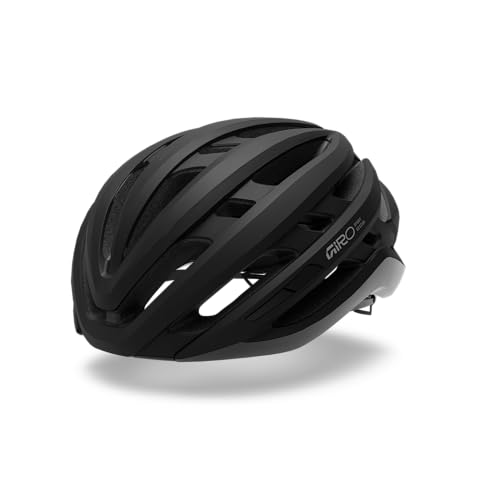
- Integrated MIPS rotational-force protection
- Roc Loc 5 fit and tilt adjustment
- Wind Tunnel ventilation system
Best For: Road riders prioritizing ventilation and precise fit control
Helmet-and-Eyewear Set

- Includes UV 400 cycling sunglasses
- Adjustable 54–61 cm dial fit
- Removable brim and ventilated design
Best For: Beginners wanting bundled eyewear and flexible everyday use
Balanced Protection
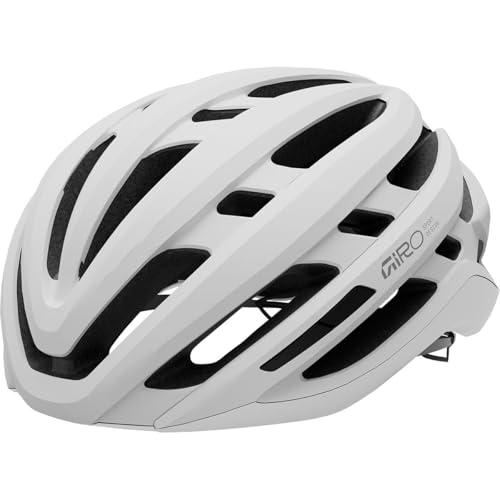
- Integrated MIPS protection
- One-handed Roc Loc 5 adjustment
- Wind Tunnel ventilation
Best For: Triathletes seeking adjustable protection and strong airflow
Eye-Coverage Value

- Detachable magnetic goggles and visor
- 24 vents and 209 g helmet weight
- Adjustable 58–62 cm fit
Best For: Riders wanting lightweight coverage and adjustable accessories
Airflow Essential

- MIPS Evolve Core technology
- 7 cm Roc Loc Sport adjustment
- Deep channeling and large vents
Best For: Riders prioritizing cooling and simple fit adjustment
Premium Aero Pick – KASK Utopia Y
For cyclists comparing cycling helmets for triathlons, the KASK Utopia Y emphasizes aerodynamic efficiency without overlooking ventilation and fit. Its aerodynamic design, rotational-impact protection layer, reflective inserts, and Octo Fit adjustment make it a feature-rich option for fast road and triathlon riding.
Best For: Triathletes and road cyclists who want an aerodynamic helmet with advanced fit adjustment, ventilation, and added low-light visibility.
Pros:
- Aerodynamic design developed for speed, with cooling performance.
- WG11-approved rotational-impact protection layer.
- Octo micro-dial system and adjustable contact points support a personalized fit.
- Reflective inserts improve visibility in low-light conditions.
Cons:
- The listed medium size may not suit every rider.
- At 0.82 kg as listed, it is not the lightest option in this roundup.
The Utopia Y is a strong choice when aerodynamic road performance, refined fit adjustment, and comfort-focused ventilation matter more than minimizing listed weight.
Streamlined Race Choice – Giro Aerohead MIPS
Giro Aerohead MIPS Bike Helmet - Black/Titanium Medium | Why We Like The Giro Aerohead MIPS Helmet
Check Price On AmazonThe Giro Aerohead MIPS is a streamlined option for shoppers seeking cycling helmets for triathlons. It pairs a polycarbonate shell and expanded-polystyrene liner with Giro’s Super Fit Engineering and MIPS technology, making it suited to riders who want a performance-focused helmet from an established cycling brand.
Best For: Adult cyclists looking for a sporty, aerodynamic helmet with MIPS technology and Super Fit Engineering.
Pros:
- Includes MIPS technology.
- Polycarbonate shell with an expanded-polystyrene inner liner.
- Super Fit Engineering is designed to support a secure fit.
- One-year limited warranty against qualifying material or workmanship defects.
Cons:
- The supplied notes provide limited information about ventilation or aerodynamic testing.
- The listed medium size may require careful measurement before purchase.
Choose the Aerohead MIPS if MIPS technology and Giro’s fit system are your main priorities; the supplied specifications reveal less about cooling and aero details than some competitors.
Lightweight Value Aero – SQUALO Oscar
For cyclists comparing cycling helmets for triathlons on a weight-conscious budget, the SQUALO Oscar combines wind-tunnel-tested aerodynamics with a 250 g listed medium weight. Its 22-vent cooling system, dial adjustment, sweat-management strip, and CPSC certification give it a practical mix of race-focused speed and everyday ride comfort.
Best For: Triathletes and fast road riders wanting a lightweight, ventilated aero helmet with straightforward adjustment.
Pros:
- Shape developed through CFD simulation and wind-tunnel testing.
- Lightweight construction listed at 250 g for size M in the title.
- 22 vents and internal air channels support cooling.
- Dial adjustment, SweatGuard strip, and CPSC certification add practical race-day features.
Cons:
- The supplied details do not identify a rotational-impact system such as MIPS or WG11.
- The fit range is listed for medium only, so sizing should be checked carefully.
The Oscar stands out for combining a lightweight profile with explicit aerodynamic testing and ventilation details, making it an appealing option for riders who want race-oriented features without a heavier helmet.
Large-Size Race Fit – Giro Aerohead MIPS Large
The large-size Giro Aerohead MIPS gives riders comparing cycling helmets for triathlons another sizing option in the same sporty Aerohead design. Its polycarbonate shell, EPS liner, MIPS technology, and adjustable strap provide a focused set of core helmet features for adult cyclists.
Best For: Adult riders who need a large Giro Aerohead MIPS and want a polycarbonate-shell helmet with an adjustable strap.
Pros:
- Large size is listed for riders who need more room.
- MIPS technology is included in the model details.
- Polycarbonate outer shell and EPS inner material provide the stated construction.
- Adjustable strap supports fit refinement.
Cons:
- The supplied notes do not list a detailed ventilation system or wind-tunnel testing.
- The included-components field says “nothing,” so accessory expectations should be kept modest.
- The warranty information is less specific than the medium listing.
This version is primarily useful when the Aerohead design fits your preferences and you need the listed large size; verify sizing and seller warranty details before ordering.
Lightweight Entry-Level Pick – LAZER Tempo KinetiCore
For shoppers comparing cycling helmets for triathlons, the LAZER Tempo KinetiCore is a practical entry-level option with a lightweight design, built-in KinetiCore protection, and quick dial adjustment. Its LED-light compatibility can also help riders improve visibility in varied conditions.
Best For: Adult road cyclists and triathletes seeking a straightforward, adjustable helmet for training and everyday riding.
Pros:
- Built-in KinetiCore technology is designed to provide additional protection from rotational impact.
- TurnSys dial allows quick fit adjustments.
- Compatible with the Universal Lazer LED light for added visibility.
- Lightweight, minimalist design.
Cons:
- One-size-fits-all sizing may not provide the same fit range as multiple-size models.
- The listed weight is 475 g, which may feel substantial to some performance-focused riders.
The Tempo KinetiCore emphasizes accessible fit and protection features rather than specialized aerodynamic details. Confirm the one-size fit works for you before choosing it for long triathlon sessions.
Ventilated MIPS Choice – Giro Agilis MIPS
Among cycling helmets for triathlons, the Giro Agilis MIPS stands out for its integrated MIPS system, customizable Roc Loc 5 fit system, and Wind Tunnel ventilation. It is designed for riders who prioritize a secure, adjustable fit and airflow during demanding rides.
Best For: Adult cyclists who want MIPS protection, detailed fit adjustment, and strong ventilation for road training.
Pros:
- Integrated MIPS system is designed to help reduce rotational forces.
- Roc Loc 5 provides one-handed tension and fore-aft tilt adjustment.
- Wind Tunnel ventilation channels airflow through the helmet.
- Hard-shell and in-mold construction supports durability without excess weight.
Cons:
- The supplied listing specifies a medium size, so fit availability may be limited.
- At 1.5 pounds, it is not the lightest listed option.
The Agilis MIPS offers a feature-rich balance of fit control, ventilation, and rotational-impact technology. Its medium sizing should be checked carefully before purchase, particularly for race-day comfort.
Helmet-and-Eyewear Set – Odoland Adult Bike Helmet
For cycling helmets for triathlons, the Odoland adult helmet is a convenient bundle for riders who want head protection and cycling eyewear in one purchase. It includes UV 400 sunglasses, adjustable sizing, ventilation, and a removable brim for switching between road and other riding styles.
Best For: Adult riders and triathlon beginners who value bundled eyewear, flexible coverage, and an adjustable 54–61 cm fit.
Pros:
- Includes cycling sunglasses with UV 400 protection.
- Dial fit system accommodates 54–61 cm head circumference.
- Multiple vents help channel airflow and manage heat.
- Removable brim supports different riding configurations.
Cons:
- The brim and urban/outdoor styling may be less streamlined for race-focused riders.
- The supplied notes do not mention MIPS or another rotational-impact system.
The Odoland set is strongest as a practical, versatile starter package rather than a dedicated aerodynamic race helmet. It can simplify gear selection for training and recreational triathlon riding.
Balanced Protection – Giro Agilis MIPS
For riders comparing cycling helmets for triathlons, the Giro Agilis MIPS combines rotational-impact technology, adjustable fit, and substantial airflow in a sporty design. Its Roc Loc 5 system allows quick one-handed tension and tilt adjustments, while Wind Tunnel ventilation helps move heat away from the head.
Best For: Triathletes who want adjustable MIPS protection and strong ventilation for training and race-day cycling.
Pros:
- Integrated MIPS technology is designed to help reduce rotational forces in certain impacts.
- Roc Loc 5 enables easy one-handed fit and fore-aft tilt adjustments.
- Wind Tunnel ventilation uses vents and internal channels to promote cooling.
- Hard shell and polycarbonate lower wrap add durability without excess weight.
Cons:
- The supplied details list a medium size, so fit availability should be checked carefully.
- No visor or goggles are included in the listed components.
The Agilis MIPS is a well-rounded choice when cooling, secure adjustment, and added rotational-impact protection matter more than integrated eye coverage.
Eye-Coverage Value – ROCKBROS Adult Bike Helmet
The ROCKBROS helmet offers a practical feature set for cycling helmets for triathlons, especially for riders who want built-in sun and wind coverage. It includes detachable magnetic goggles and a visor, 24 vents, one-hand size adjustment, and a lightweight 209-gram helmet weight excluding the accessories.
Best For: Triathletes and cycling enthusiasts who value detachable eye coverage, a lightweight design, and adjustable sizing.
Pros:
- Detachable magnetic goggles and visor help shield against sun, wind, and sand.
- One-hand adjustment covers the listed 58–62 cm size range.
- Twenty-four vents support airflow, while the helmet weighs 209 g without goggles and visor.
- High-density EPS and a polycarbonate shell are designed to absorb and cushion impact.
Cons:
- The listed size range is narrower than the title’s suggested 58–65 cm fit.
- The helmet is open-face rather than an aerodynamic triathlon-specific design.
- Goggles and visor add-ons may not suit every rider’s preferred race setup.
This ROCKBROS model stands out for convenience and eye protection, making it appealing for training and multisurface riding where detachable coverage is useful.
Airflow Essential – Giro Isode MIPS II
The Giro Isode MIPS II is a straightforward option among cycling helmets for triathlons, pairing MIPS Evolve Core technology with in-mold construction and deep internal channeling. Its Roc Loc Sport system offers one-handed adjustment and a 7 cm adjustment range, while the large vents help move air across the scalp.
Best For: Triathletes who prioritize cooling airflow, simple fit adjustment, and MIPS-equipped protection.
Pros:
- MIPS Evolve Core is designed to help reduce rotational forces in certain impacts.
- Roc Loc Sport provides one-handed operation and a 7 cm adjustment range.
- In-mold construction supports a lighter, cooler ventilated design.
- Deep internal channeling and large vents promote airflow over the scalp.
Cons:
- The supplied details identify it as a universal adult size, so individual fit should be verified.
- No visor, goggles, or other eye coverage is listed as included.
- The listed weight is 1.4 pounds, which may matter to weight-conscious racers.
The Isode MIPS II makes the most sense for riders seeking a ventilated, easy-to-adjust helmet with MIPS features and a sport-oriented design.
How We Picked the Best Cycling Helmets for Triathlons
We evaluated the selected helmets against the priorities that matter most for triathlon training and racing: secure fit, aerodynamic design, ventilation, weight, adjustability, visibility, and safety technology. Aero-focused models such as the Kask Utopia Y, Giro Aerohead MIPS, and SQUALO Oscar are aimed at riders who prioritize speed and a streamlined riding position. More versatile options, including the Giro Agilis MIPS, Giro Isode MIPS II, and Lazer Tempo KinetiCore, may be better for everyday training and mixed riding.
We also considered useful extras, including integrated or detachable eyewear, sun visors, easy-adjust retention systems, and broad sizing ranges. Product specifications can vary by size and color, so confirm the manufacturer’s current measurements before ordering.
Quick Comparison
| Best For | Recommended Type | What to Look For |
|---|---|---|
| Maximum race-day aerodynamics | Streamlined aero helmet | Low-drag shell, stable fit, race-focused ventilation |
| Long training rides | Ventilated road helmet | Lower weight, airflow, comfortable retention system |
| Extra eye and sun protection | Helmet with visor or goggles | Secure attachment, clear field of view, easy adjustment |
| Added impact-management features | MIPS or comparable technology | Proper fit plus a rotational-impact system |
| Budget-conscious buyers | Value road helmet | Reliable adjustment, suitable certification, useful ventilation |
Key Buying Factors for Cycling Helmets for Triathlons
Fit Comes First
Aerodynamics cannot compensate for an unstable or painful helmet. Measure your head according to the manufacturer’s instructions, then use the retention dial and straps to create a snug, level fit. The helmet should not shift when you move your head, and the front should sit low enough to protect the forehead without obstructing vision.
Aerodynamics Versus Ventilation
Aero helmets can reduce airflow and may feel warmer during slow climbs, hot races, or long training sessions. If you compete primarily on flat courses and prioritize marginal gains, a streamlined model may make sense. For hilly routes, warm climates, or one-helmet versatility, choose a design with more substantial ventilation.
Safety, Weight, and Features
Look for the safety certification required in your market and consider MIPS or another rotational-impact system if it is available in a shape that fits you well. Lower weight can improve comfort, but it should not outweigh fit and protection. Magnetic eyewear, removable visors, washable padding, and easy strap adjustment can also make a noticeable difference during training.
Who Should Buy Which Cycling Helmets for Triathlons?
Dedicated racers: Choose an aerodynamic helmet such as the Kask Utopia Y, Giro Aerohead MIPS, or SQUALO Oscar when speed and race-specific design are your main priorities.
Triathletes who train frequently: Consider a lighter, more ventilated road helmet such as the Lazer Tempo KinetiCore or Giro Agilis MIPS for comfort across varied rides.
Riders who want integrated eye protection: Look at the Odoland set or the ROCKBROS model with detachable eyewear and sun-visor features, while checking that the included accessories fit securely.
First-time buyers and value shoppers: The Giro Isode MIPS II or another well-fitting entry-level option can provide practical adjustability and everyday usability without requiring a dedicated aero setup.