The best compression socks for running can support your calves, manage moisture, and improve comfort during training, racing, travel, or recovery. The right pair should provide a secure fit without bunching, overheating, or restricting movement.
We compared these 10 options by compression level, coverage, cushioning, breathability, sizing, and value so you can choose the style that fits your running routine.
Best 10 Compression Socks for Running Picks for 2026
Performance Pick
CEP Core Run 5.0 Tall Compression Socks

- Firm 20–30 mmHg targeted compression
- Breathable, quick-drying fabric
- Cushioning with smooth toe seam
Best For: Runners wanting full-calf support for training and recovery
Everyday Multipack
Cushion Compression Running Socks

- Three-pair value pack
- Moderate 15–20 mmHg compression
- Moisture-wicking CoolMax with cushioning
Best For: Frequent runners who want rotation-friendly crew socks
Flexible Calf Support
Rymora Calf Compression Sleeves
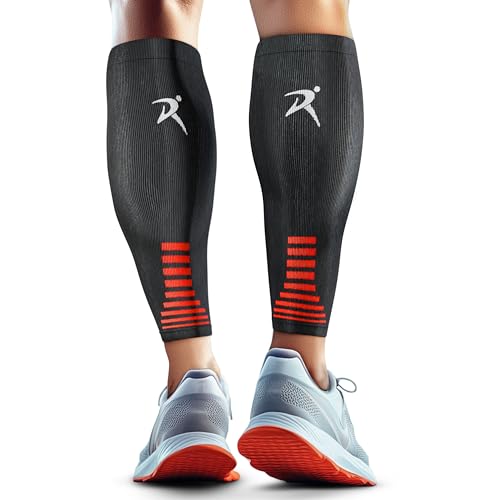
- Open-foot design for flexible sock pairing
- Graduated calf compression
- Breathable, moisture-wicking fabric
Best For: Runners wanting calf support without foot coverage
Low-Cut Value Pick
PAPLUS Ankle Compression Socks

- Six-pair running sock pack
- Light 8–15 mmHg arch support
- Cushioned, breathable ankle design
Best For: Runners wanting mild compression and low-profile coverage
Versatile Everyday Support

- 20-30 mmHg support for running and daily wear
- Nylon-spandex construction with machine-wash care
- Useful for work shifts, travel, and active lifestyles
Best For: Runners wanting versatile everyday compression
Cushioned Runner's Pick
FITRELL 3-Pair Compression Socks
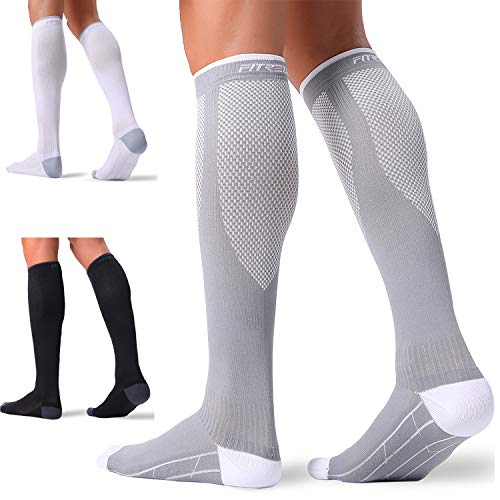
- Five-zone 20-30 mmHg graduated compression
- Cushioned soles and seamless toes for running comfort
- Breathable mesh and three-pair value pack
Best For: Runners wanting cushioning and a multipack
Multipack Value
fenglaoda 8-Pair Compression Socks
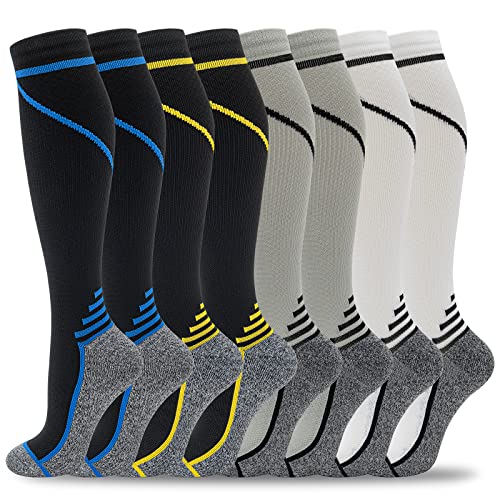
- Eight knee-high pairs for frequent rotation
- 20-30 mmHg support with arch support and reinforced zones
- Lightweight, breathable, machine-washable polyester
Best For: Frequent runners and shoppers seeking pack value
Low-Cut Training Pick

- 15–20 mmHg compression with arch support
- No-show, breathable ankle-length design
- Six-pair bundle for running and daily wear
Best For: Runners wanting low-cut compression socks
Everyday Comfort Pick
FuelMeFoot Copper Compression Socks
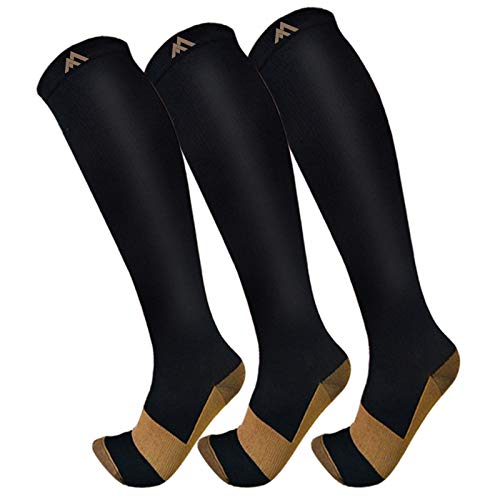
- Three-pair nylon bundle for versatile use
- Soft, ventilated fabric for extended wear
- Machine washable and quick drying
Best For: Runners wanting flexible daily-use support
Bulk-Value Pick
Copper Compression Socks 8-Pair

- Eight-pair bundle for frequent wear
- 15–20 mmHg compression rating
- Moisture-wicking, odor-focused copper-fiber blend
Best For: Frequent runners needing a full sock rotation
Performance Pick – CEP Core Run 5.0 Tall Compression Socks
For runners seeking compression socks for running with substantial support, the CEP Core Run 5.0 delivers 20–30 mmHg compression through the calf, ankle, Achilles, and arch. Its quick-drying fabric, cushioning, and smooth toe seam are geared toward demanding training and recovery.
Best For: Runners who want firm, full-calf compression for training, endurance workouts, and post-run recovery.
Pros:
- 20–30 mmHg targeted compression supports the calf, ankle, Achilles, and arch.
- Breathable air channels and quick-drying fabric help manage moisture.
- Cushioning, traction zones, and a smooth toe seam support a stable, lower-irritation fit.
- Machine-washable nylon-and-elastane construction is designed for repeated use.
Cons:
- Firm 20–30 mmHg compression may feel more substantial than lighter options.
- This listing is for one pair.
- The tall design provides more coverage than ankle or crew socks.
Choose these when targeted, firm compression and full lower-leg coverage matter more than a lighter everyday feel. The combination of support, ventilation, and cushioning makes them a performance-focused option.
Everyday Multipack – Cushion Compression Running Socks
This three-pair option offers a practical way to add compression socks for running to a regular training rotation. The 15–20 mmHg compression is paired with CoolMax moisture management, mesh knitting, cushioned loops, and a seamless toe.
Best For: Runners and active users who want moderate compression and multiple pairs for regular wear.
Pros:
- Includes three pairs for easier rotation between workouts.
- 15–20 mmHg compression is designed to help reduce ankle swelling and muscle stress.
- CoolMax fiber and mesh knitting promote moisture control and breathability.
- Cushioned heel, sole, and toe areas plus a seamless toe help limit friction.
Cons:
- The crew-style design offers less lower-leg coverage than tall compression socks.
- The listed fabric blend includes cotton, which may feel less performance-focused than a fully synthetic design.
- Compression is lighter than the 20–30 mmHg level offered by firmer options.
These socks make sense for shoppers prioritizing value, moderate support, and cushioning across running, cycling, hiking, and daily wear. The three-pair format is especially convenient for frequent use.
Flexible Calf Support – Rymora Calf Compression Sleeves
Rymora’s calf sleeves are an alternative to compression socks for running when you want lower-leg support without a covered foot. Graduated compression, breathable moisture-wicking fabric, and a snug fit are designed for running, shin-splint support, training, and post-exercise recovery.
Best For: Runners who prefer open-foot calf compression or want to pair sleeves with their own running socks.
Pros:
- Open-foot sleeve design leaves your choice of running sock and shoe fit unchanged.
- Graduated compression is intended to encourage circulation and reduce heavy or achy feelings.
- Breathable, moisture-wicking nylon, polyester, and elastane blend offers stretch and support.
- Machine-washable construction is designed to retain its shape through repeated wear.
Cons:
- These are calf sleeves, not complete socks, so they provide no foot cushioning or blister protection.
- Accurate calf measurement is important; the product specifically advises using the size chart.
- They may require a separate pair of running socks.
Consider these sleeves if foot coverage is not a priority or if you already have running socks you prefer. They focus the compression and support on the calf while keeping footwear choices flexible.
Low-Cut Value Pick – PAPLUS Ankle Compression Socks
For runners who prefer a low-profile fit, these PAPLUS ankle socks provide lighter 8–15 mmHg compression with a six-pair assortment. A cushioned sole, breathable mesh upper, heel tab, and reinforced heel and toe make them a practical choice for everyday training.
Best For: Runners seeking lightweight ankle coverage, mild compression, and plenty of pairs for regular rotation.
Pros:
- Six-pair pack provides convenient value for frequent running and daily wear.
- 8–15 mmHg arch-focused compression offers lighter athletic support.
- Cushioned sole, heel, and toe areas help absorb impact and reduce friction.
- Mesh ventilation, heel tabs, and reinforced high-wear areas support comfort and durability.
Cons:
- Ankle-high coverage does not provide full-calf compression.
- The 8–15 mmHg level is milder than firm compression options.
- The listing notes only two sizes, which may limit fit choices for some runners.
This is a sensible pick for runners who dislike tall socks or want a lighter compression feel. Its six-pair format, cushioning, and ventilation favor everyday convenience over maximum lower-leg support.
Versatile Everyday Support – Physix Gear Compression Socks
For runners seeking compression socks for running that can also handle long workdays and travel, the Physix Gear pair offers 20-30 mmHg support in a nylon-and-spandex design. Its pull-on construction and knee-high coverage make it a practical option for consistent daily wear.
Best For: Runners and active people who want one pair for workouts, travel, or extended time on their feet.
Pros:
- 20-30 mmHg compression is designed to support circulation and help reduce swelling.
- Nylon-and-spandex fabric offers a balance of stretch and durability.
- Suitable for running, work shifts, travel, and everyday wear.
- Machine washable and tumble-dry compatible on low heat.
Cons:
- This listing provides one pair, so it offers less rotation than multipack options.
- The listed size is Large/X-Large, so shoppers should confirm fit before buying.
Physix Gear is a straightforward pick when you want athletic compression with broad everyday versatility. It is especially useful for shoppers prioritizing durable, reusable support over a larger multipack.
Cushioned Runner's Pick – FITRELL 3-Pair Compression Socks
The FITRELL 3-pair set is designed for runners who want compression socks for running with added cushioning and moisture management. Five-zone graduated compression, a seamless toe, and a padded sole combine support with comfort during activity and daily wear.
Best For: Runners who want a three-pair rotation with cushioned soles, breathable mesh, and support for longer activities.
Pros:
- Five zones of 20-30 mmHg graduated compression support circulation and muscle comfort.
- Thick, cushioned soles help absorb shock during running and other activities.
- Seamless toes reduce friction, while mesh sections promote breathability.
- Available in S/M and L/XL sizing based primarily on calf measurements.
Cons:
- The sizing range overlaps at some calf measurements, so careful measurement is important.
- The thicker cushioning may feel less minimal than lightweight running socks.
FITRELL stands out for runners who value foot protection and a fresh-sock rotation. Its cushioning and seamless toe are practical upgrades for demanding workouts, while the compression design also suits travel and work.
Multipack Value – fenglaoda 8-Pair Compression Socks
For shoppers who need compression socks for running across multiple days, the fenglaoda set supplies eight knee-high pairs in a 20-30 mmHg compression level. Its varied designs, arch support, reinforced heel and toe, and machine-washable construction make it suited to regular rotation.
Best For: Runners, travelers, nurses, and active households that prioritize an eight-pair supply and broad everyday use.
Pros:
- Eight pairs provide a convenient rotation for frequent wear.
- 20-30 mmHg compression is intended to support circulation and help reduce discomfort from prolonged standing or running.
- Features include non-slip ribbing, arch support, and thickened heel and toe areas.
- Lightweight, breathable polyester fabric is machine washable.
Cons:
- The fabric is listed as 97% polyester and 3% spandex, offering less fiber variety than some blends.
- Care instructions recommend laying the socks flat to dry and not ironing them.
- Shoppers should check both calf and shoe sizing before selecting S/M or L/XL.
The fenglaoda set is the practical choice when quantity matters. It trades some material sophistication for eight wearable pairs, useful design details, and the convenience of keeping clean compression socks ready for running or travel.
Low-Cut Training Pick – Ankle Compression Socks
For runners who prefer minimal coverage, these ankle-length compression socks for running combine 15–20 mmHg support with arch support and a lightweight nylon-and-spandex design. Their no-show profile is suited to running, cycling, gym sessions, and everyday wear.
Best For: Runners seeking low-cut coverage, targeted ankle support, and a six-pair athletic bundle.
Pros:
- Ankle-high, no-show design works with low-profile athletic shoes.
- Targeted compression zones and arch support are designed for exercise and muscle recovery.
- Breathable, moisture-wicking fabric helps keep feet cool and dry.
- Six-pair bundle provides convenient rotation.
Cons:
- Ankle length provides less lower-leg coverage than traditional compression socks.
- Only two listed size ranges may require careful measurement before purchase.
This is a practical option if you want compression support without the feel of a tall running sock. Choose the size carefully, especially because the fit is offered in S/M and L/X ranges.
Everyday Comfort Pick – FuelMeFoot Copper Compression Socks
These FuelMeFoot compression socks for running are designed for people who want moderate everyday support in a soft, ventilated nylon fabric. The three-pair pack is positioned for running, athletics, work, travel, and extended daily wear.
Best For: Runners and active users who want a versatile three-pair set with all-day comfort and quick-drying care.
Pros:
- Three-pair bundle offers a practical rotation for regular use.
- Premium nylon construction is described as soft, ventilated, and gentle on skin.
- Designed to support circulation, reduce fatigue, and aid muscle recovery.
- Machine washable and quick drying when washed cold and hung dry.
Cons:
- The supplied notes do not specify a compression rating.
- The listed size is Large–X-Large, which may limit fit options for some runners.
- The copper-infused construction may not appeal to shoppers seeking a simpler fabric blend.
Consider this set if comfort and versatility matter as much as running use. Because the notes do not give a mmHg rating, shoppers who need a specific compression level should verify the listing before ordering.
Bulk-Value Pick – Copper Compression Socks 8-Pair
For runners who want a larger rotation, this eight-pair set provides 15–20 mmHg compression in a copper-fiber nylon blend. The socks are designed for running, hiking, soccer, travel, work, and other situations involving extended standing or sitting.
Best For: Frequent runners, travelers, and workers who value a full-week supply of compression socks for running and everyday wear.
Pros:
- Eight-pair bundle supports frequent wear without daily washing.
- 15–20 mmHg compression offers a clearly stated mild support level.
- Moisture-wicking, breathable fabric is designed to help keep feet dry and reduce odor.
- Suitable for running, hiking, soccer, travel, and long work shifts.
Cons:
- The supplied size is Large–X-Large, so fit availability may be limited.
- The tall sock design may feel warmer than ankle-length options.
- Care instructions specify machine washing, but the notes do not provide drying guidance.
This set stands out for quantity and clearly stated compression, making it useful for runners who train often or want socks available throughout the week. Confirm the Large–X-Large fit before purchasing.
How We Picked the Best Compression Socks for Running
We focused on features that matter during actual runs: stated compression levels, coverage, fabric performance, cushioning, support zones, durability, and pack size. Knee-high socks can provide more complete calf coverage, while ankle socks and sleeves may feel lighter and easier to pair with existing running socks. We also included options suited to different budgets and use cases, including daily training, long-distance efforts, travel, and recovery.
Because fit has a major effect on compression, check each product’s size chart rather than choosing by shoe size alone. Compression ratings are not directly comparable when manufacturers use different sizing or measurement methods.
Quick Comparison
| Best For | Recommended Style | What to Look For |
|---|---|---|
| Daily road running | Knee-high compression socks | Breathable fabric, secure cuff, moderate cushioning |
| Hot-weather training | Ankle socks or calf sleeves | Lightweight, moisture-wicking construction |
| Shin and calf support | 20–30 mmHg knee-high socks or sleeves | Graduated compression and supportive fit |
| Long runs and races | Cushioned compression socks | Arch support, padded zones, anti-blister fabric |
| Travel and recovery | Knee-high compression socks | Comfortable all-day fit and easy care |
Key Buying Factors for Compression Socks for Running
Compression Level
Many running models list 15–20 or 20–30 mmHg compression. Lighter compression may feel more comfortable for everyday wear, while firmer options can provide a more supportive, snug sensation. If you have a medical condition, circulation concerns, or persistent leg symptoms, ask a healthcare professional which level is appropriate.
Height and Coverage
Knee-high socks cover the calf and are the most common choice for runners seeking lower-leg support. Calf sleeves leave the foot uncovered, making them useful when you already have a preferred running sock. Ankle styles offer less coverage but may be cooler and less noticeable.
Fit, Fabric, and Cushioning
A good pair should lie flat, stay in place, and feel evenly supportive without numbness or painful pressure. Look for moisture-wicking fibers, ventilation, reinforced heels and toes, and cushioning where your shoes create impact. Seam placement also matters if you are prone to rubbing or blisters.
Who Should Buy Which Compression Socks for Running?
Choose a knee-high pair if you want full calf coverage for long runs, races, travel, or recovery. Pick calf sleeves if you prefer a lighter foot feel or want to use separate socks. Ankle compression socks are a practical choice for shorter runs and warm conditions. Multi-packs make sense for frequent runners who want clean pairs available throughout the week, while a more technical single pair may be worthwhile for racing or demanding training.