Finding comfortable walking shoes for bunions means looking beyond standard width labels. A roomy toe box, soft upper, stable cushioning, and a fit that does not press against the big-toe joint can make everyday walking much easier.
We selected 10 options with different priorities, from supportive walking sneakers and cushioned athletic shoes to flexible barefoot-inspired and adjustable designs. Use the guide below to match the right pair to your foot shape, walking habits, and comfort needs.
Best 10 Walking Shoes for Bunions Picks for 2026
Supportive Wide-Toe Trainer
LOCFIR Cushioned Walking Sneakers

- Wide toe box supports natural toe spread
- Removable arch-support insole and foam cushioning
- Breathable knit upper with slip-resistant outsole
Best For: Active walking and standing with adjustable arch support
Maximum Cushioning Walker

- Full-length RE-ZORB shock-absorbing cushioning
- Roomier toe with women-specific fit
- Breathable mesh and padded heel
Best For: Fitness walking with maximum cushioning and impact protection
Lightweight Barefoot Pick

- Flexible, lightweight construction
- Roomy round toe with minimal cushioning
- Slip-on, slip-resistant rubber sole
Best For: Casual walking and easy everyday wear
Adjustable Comfort Choice
Scurtain Wide Diabetic Walking Shoes

- Wide toe design for less squeezing
- Adjustable hook-and-loop straps
- Moderate cushioning with non-slip sole
Best For: Bunions, swelling, and changing foot volume
Cushioned Walking Favorite
WHITIN Wide Toe Box Walking Sneakers
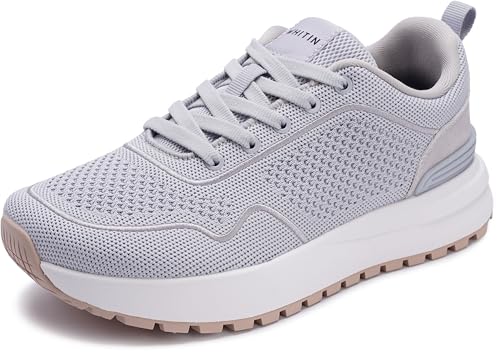
- Spacious forefoot for natural toe splay
- Moderate-cushion EVA midsole
- Breathable knit with secure heel support
Best For: Longer walks, standing, and everyday casual wear
Adjustable Barefoot Comfort

- Wide toe design reduces crowding around bunions
- Adjustable hook-and-loop strap suits changing foot volume
- Breathable mesh and zero-drop non-slip rubber sole
Best For: Wide-fit casual walking and everyday wear
Everyday Wide-Toe Support

- Spacious toe box helps limit bunion-area crowding
- Padded tongue and reinforced heel add supportive structure
- Breathable mesh with flexible cushioned MD outsole
Best For: Daily walking, commuting, and light workouts
Roomy Everyday Comfort – Ortho+rest Wide Toe Box Walking Shoes
For shoppers seeking walking shoes for bunions, the Ortho+rest pair emphasizes forefoot room and a flexible, soft upper. Its pull-on design, cushioning, and slip-resistant sole make it suited to casual daily wear and extended periods of standing.
Best For: Everyday walking, casual outfits, and long hours on your feet when a roomy toe box is a priority.
Pros:
- Extra-roomy toe box allows toes to move more freely.
- Soft upper is designed to reduce rubbing and pinching around the forefoot.
- Elastic laces provide convenient slip-on access.
- Soft foot-shaped insole, thick sole, and slip-resistant outsole support all-day use.
Cons:
- Not water resistant.
- Moderate rather than maximum cushioning.
- Casual styling may not suit formal settings.
This is a practical choice if bunion-friendly space and easy entry matter more than weather protection or high-performance athletic features.
Lightweight Slip-On Pick – Skechers Go Walk Joy Sneaker
The Skechers Go Walk Joy is a lightweight option for shoppers comparing walking shoes for bunions, particularly those who value a breathable upper and an easy slip-on fit. Its Goga Max insole and 5GEN cushioning are designed for comfortable casual walking.
Best For: Casual walks, active daily routines, and shoppers who prefer machine-washable slip-on sneakers.
Pros:
- Breathable engineered mesh promotes ventilation.
- Goga Max insole and 5GEN cushioning provide rebound and comfort.
- Slip-on construction makes them easy to put on and remove.
- Machine-washable design simplifies care.
Cons:
- The notes do not specify a wide or extra-roomy toe box.
- Not water resistant.
- Moderate cushioning may be less suitable for shoppers seeking maximum support.
This sneaker is best viewed as a convenient, breathable walking shoe; shoppers with bunions should confirm that its standard fit leaves enough room across the forefoot.
Supportive Wide-Toe Trainer – LOCFIR Cushioned Walking Sneakers
These LOCFIR sneakers combine a wide toe box with a removable arch-support insole and foam cushioning, making them a strong consideration among walking shoes for bunions. The breathable knit upper and flexible slip-resistant outsole also suit active, all-day use.
Best For: Walking, commuting, exercise, and long periods of standing when toe room and arch support are both important.
Pros:
- Wide toe box is designed to support natural toe spread.
- Removable arch-support insole and high-resilience foam provide cushioning and stability.
- Breathable knit upper helps promote airflow.
- Lightweight molded outsole is designed for flexibility and slip resistance.
Cons:
- Not water resistant.
- Lace-up closure takes more effort than a slip-on design.
- Moderate cushioning may not satisfy those seeking maximum cushioning.
Choose this pair if you want a more athletic, adjustable fit with a roomy forefoot and removable insole; its lace-up design can also help fine-tune security.
Maximum Cushioning Walker – Ryka Devotion X Walking Shoe
The Ryka Devotion X focuses on impact protection for fitness walking, with full-length RE-ZORB cushioning plus added cushioning in the forefoot and heel. Its women-specific fit includes a roomier toe area, which may appeal to shoppers considering walking shoes for bunions.
Best For: Fitness walking and shoppers who prioritize maximum cushioning and a women-specific athletic fit.
Pros:
- Full-length RE-ZORB cushioning is designed for shock absorption and impact protection.
- Additional RE-ZORB cushioning supports the forefoot and heel.
- Women-specific design pairs a narrower heel with a roomier toe.
- Breathable mesh upper and padded heel add comfort for active use.
Cons:
- The notes do not describe the toe area as extra-wide.
- Lace-up closure is less convenient than a slip-on.
- Not water resistant.
This is a sensible performance-oriented pick when cushioning is the main concern, though shoppers needing substantial bunion space should verify the forefoot fit before buying.
Lightweight Barefoot Pick – HOBIBEAR Wide Toe Box Slip-On
If you want walking shoes for bunions with a simple, flexible design, the HOBIBEAR barefoot shoe offers a roomy round toe, minimal foam cushioning, and a flat zero-drop-style profile. Its laceless pull-on construction suits casual outdoor wear, though it is not waterproof.
Best For: Casual walking and everyday wear when you prioritize a lightweight, flexible shoe and easy slip-on access.
Pros:
- Roomy round-toe shape designed to avoid a narrow, pointed fit.
- Flexible, lightweight construction with minimal foam cushioning.
- Rubber outsole provides slip resistance for everyday use.
- Laceless pull-on design is quick to put on.
Cons:
- Minimal cushioning may not suit shoppers seeking a plush walking shoe.
- Faux leather upper is not waterproof.
- Casual styling and low-top construction may be less suitable for demanding activities.
The HOBIBEAR is a straightforward option for bunion-conscious shoppers who prefer natural-feeling flexibility and a low-profile shoe. Consider another model if moderate cushioning, adjustable fit, or wet-weather protection is a priority.
Adjustable Comfort Choice – Scurtain Wide Diabetic Walking Shoes
These walking shoes for bunions combine a wide toe design with adjustable hook-and-loop straps, making them a practical choice when foot width or swelling changes throughout the day. The stretchy knitted upper, moderate foam cushioning, and zero-drop rubber sole support casual indoor and outdoor walking.
Best For: Shoppers needing an adjustable fit for bunions, swollen feet, edema, neuropathy, arthritis, or similar comfort concerns.
Pros:
- Wide toe design helps keep toes in a more natural shape.
- Adjustable Velcro straps accommodate different foot shapes.
- Stretchy knitted upper is lightweight and breathable.
- Moderate foam cushioning and a non-slip rubber sole support everyday walking.
Cons:
- Not water resistant.
- Zero-drop construction may feel different from traditional raised-heel shoes.
- Sporty casual styling may not suit formal outfits.
Among these options, the Scurtain model offers the most adaptable fit, particularly for feet that need extra room or adjustability. Its moderate cushioning is a useful middle ground between minimalist and heavily cushioned designs.
Cushioned Walking Favorite – WHITIN Wide Toe Box Walking Sneakers
For shoppers seeking walking shoes for bunions with more cushioning, the WHITIN S302 pairs a spacious forefoot with a moderate-cushion EVA midsole. Its breathable knit upper, secure heel support, and rubber outsole make it suited to everyday walking, standing, and longer casual wear.
Best For: Daily walkers, retail workers, and anyone who wants a roomy toe box with moderate cushioning and secure heel support.
Pros:
- Wide toe box promotes a more open, natural toe position.
- Cushioned EVA midsole provides moderate underfoot comfort.
- Breathable knit upper offers a flexible, close-fitting feel.
- Rubber outsole delivers grip and traction for everyday activities.
Cons:
- Not water resistant.
- Lace-up closure is less convenient than a slip-on or adjustable-strap design.
- Listed for spring and summer use rather than all-season weather protection.
The WHITIN S302 is a strong everyday choice if bunion comfort and cushioning matter more than minimalist ground feel. Its secure heel and moderate midsole make it especially appealing for extended standing or walking.
Adjustable Barefoot Comfort – BARERUN Wide Walking Shoes
For walking shoes for bunions, the BARERUN design focuses on reducing toe crowding with a wide, foot-shaped toe area. Its adjustable hook-and-loop closure, breathable mesh, and zero-drop sole make it a practical option for casual indoor and outdoor wear.
Best For: People seeking adjustable, wide-fit walking shoes for bunions, swollen feet, arthritis, edema, or everyday casual use.
Pros:
- Wide toe design allows toes to retain a more natural shape and helps reduce squeezing.
- Adjustable strap accommodates different foot shapes and swelling.
- Breathable mesh upper helps limit heat, sweating, and odors.
- Zero-drop rubber sole includes non-slip treads for indoor and outdoor traction.
Cons:
- Moderate foam cushioning may feel less plush than a highly cushioned running shoe.
- Not water resistant.
- Zero-drop construction may require adjustment for shoppers accustomed to raised heels.
This is a strong comfort-oriented choice when bunion-friendly width and easy adjustability matter more than specialized running performance. The firm-ground rubber outsole also adds versatility for errands, travel, and light activities.
Everyday Wide-Toe Support – STQ Mesh Walking Sneakers
These STQ sneakers are a straightforward option among walking shoes for bunions, with a spacious toe box designed to let toes move naturally. The breathable mesh upper, moderate-to-high cushioning, and lace-up fit suit daily walking, commuting, and extended casual wear.
Best For: Everyday walkers who want a wide toe box, breathable construction, and cushioned support for work, travel, or light workouts.
Pros:
- Foot-shaped wide toe box helps reduce forefoot pressure and toe crowding.
- Padded tongue helps ease pressure across the top of the foot.
- Reinforced heel structure supports stability and a secure lace-up fit.
- Lightweight MD sole provides flexible cushioning with textured traction.
Cons:
- Lace-up closure is less convenient to adjust than a strap system.
- Not water resistant.
- Designed for moderate-to-high cushioning rather than a zero-drop or minimalist feel.
The STQ offers a balanced daily-wear profile: roomy in front, cushioned underneath, and structured at the heel. It is a sensible pick for shoppers who need bunion-friendly toe space without giving up a conventional athletic-sneaker feel.
Air-Cushioned Wide Fit – ZYEN Wide Toe Box Running Shoes
For shoppers comparing walking shoes for bunions with more athletic cushioning, these ZYEN sneakers combine a wide toe box with a thick, air-cushioned outsole. Their stretchy knit mesh, lightweight construction, and adjustable laces make them suitable for walking, gym sessions, and other active use.
Best For: Active users who want extra toe room and air-cushioned support for walking, standing, gym workouts, or light running.
Pros:
- Wide toe box gives toes room to relax and spread naturally.
- Thick, high-rebound outsole with air cushioning helps buffer impact.
- Stretchy knit mesh promotes airflow while keeping the shoe lightweight.
- Lace-up closure allows fit adjustment for different foot shapes.
Cons:
- Moderate cushioning may not feel as substantial as some maximal-cushioning models.
- Round-toe design may provide less specialized shaping than a pronounced anatomical toe box.
- Not water resistant.
The ZYEN is the most activity-focused option in this group. Its combination of roomy forefoot space, air cushioning, and breathable mesh is well suited to shoppers who want bunion-conscious comfort during longer walks or athletic activities.
How We Picked the Best Walking Shoes for Bunions
We focused on features that can reduce pressure around a bunion and improve comfort during regular walking. Each selected style emphasizes at least one useful characteristic, such as a wide or anatomically shaped toe box, flexible construction, adjustable closures, breathable materials, cushioning, arch support, or a zero-drop platform.
Because bunions and foot shapes vary, no single design will work for everyone. Product descriptions and sizing can also differ by brand, so check the current size chart, width options, return policy, and customer feedback before ordering.
Quick Comparison
- Best for conventional walking support: Ryka Devotion X and Skechers Go Walk Joy.
- Best for extra toe-room emphasis: Ortho+rest, WHITIN, and HOBIBEAR styles.
- Best for adjustable fit: The diabetic, edema, and nursing-oriented shoes with flexible closures.
- Best for a minimalist feel: HOBIBEAR and BARERUN zero-drop barefoot-inspired shoes.
- Best for athletic versatility: The wide-width air-cushion running shoes and STQ mesh sneakers.
Key Buying Factors for Walking Shoes for Bunions
Toe-Box Shape and Width
The most important feature is enough room for the toes to spread without the upper rubbing the bunion. Look for a wide, extra-wide, or anatomical toe box. A shoe should feel roomy at the front but secure through the heel and midfoot; simply sizing up can create excessive length and heel movement.
Upper Materials and Pressure Points
Stretch mesh, soft fabric, and flexible overlays are generally more forgiving than stiff leather or rigid synthetic panels. Inspect where seams, logos, laces, and side supports sit, since these can create localized pressure over the bunion.
Cushioning, Support, and Stability
More cushioning can help on hard pavement, while a stable heel and supportive midsole may suit longer walks or tired feet. Arch support is useful for some wearers but can feel intrusive for others. If you usually wear structured shoes, transition cautiously to flexible or zero-drop models.
Adjustability and Daily Fit
Laces, straps, or elastic closures make it easier to accommodate swelling and different foot volumes. Try shoes later in the day, when feet are often slightly larger, and wear the socks you normally use for walking.
Who Should Buy Which Walking Shoes for Bunions?
Choose a cushioned conventional sneaker if you want familiar support for errands, commuting, or fitness walking. A wide-toe orthopedic design is a sensible starting point when bunion pressure is your main concern. Adjustable diabetic or edema-friendly shoes may be better for swelling or fluctuating foot volume.
Consider barefoot-inspired zero-drop shoes only if you prefer a flexible, low-profile feel and can adapt gradually. For exercise, prioritize secure heel lockdown, breathable uppers, and enough cushioning for the surfaces you use. Stop wearing any pair that causes persistent pain, numbness, skin irritation, or worsening symptoms, and consult a podiatrist when bunion discomfort is significant.