Finding the best heart rate monitor for seniors means balancing readable displays, simple controls, dependable measurements, and comfort during everyday use. The right device can support wellness tracking without adding unnecessary technology or complicated setup.
This roundup includes wrist-worn fitness trackers, no-phone pedometers, fingertip pulse oximeters, and chest-strap monitors, so you can choose the format that best matches your routine and monitoring goals.
Best 10 Heart Rate Monitor for Seniors Picks for 2026
Best All-Around Tracker
MorePro 24/7 Health Fitness Tracker
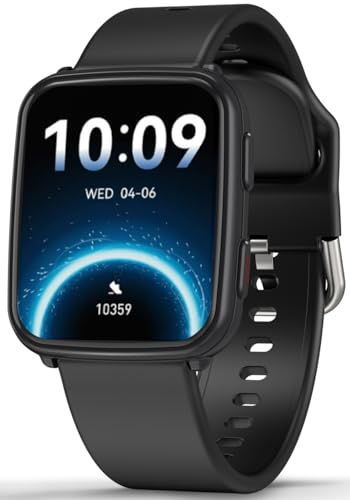
- 24/7 heart-rate monitoring with blood-pressure and oxygen checks
- Sleep, steps, calories, and 120+ sport modes
- IP68 rating and up to 7 days of normal battery life
Best For: Active adults and seniors wanting a feature-rich wellness smartwatch
Best for Exercise
COROS Wearable Heart Rate Monitor

- Breathable arm band avoids a traditional chest strap
- Bluetooth pairing with up to three devices
- 38 hours of use or 80 days of standby
Best For: Workout-focused users with compatible Bluetooth devices
Best Fingertip Option
Zacurate 500 Series Pulse Oximeter

- Large LED display for pulse and SpO2 readings
- Includes batteries, cover, and lanyard
- Works with a wide range of finger sizes
Best For: Simple on-demand pulse and oxygen checks without a smartphone
Best Simple Wearable
Fitness Tracker with No Phone Required

- Works as a tracker without an app or smartphone
- Monitors heart rate, sleep, steps, and calories
- 5–7 days of use with IP68 water resistance
Best For: Users wanting basic wearable tracking with minimal setup
Simple Spot Checks
Zacurate 500BL Fingertip Pulse Oximeter
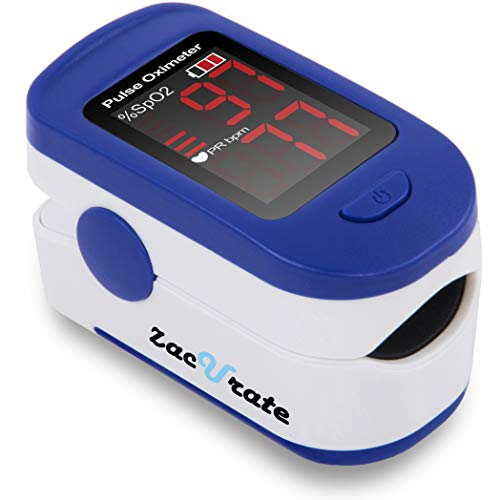
- Shows pulse rate, pulse strength, and SpO2
- Large LED display with one-button operation
- Batteries and 12-month warranty included
Best For: Occasional pulse and oxygen checks at home
Phone-Free Daily Tracking
Fitness Tracker Watch with Heart Rate
- Automatic heart-rate and sleep monitoring
- Tracks steps, distance, calories, and active time
- 5–7 day use and IP68 water resistance
Best For: Everyday activity tracking without required phone setup
High-Accuracy Training
Polar H10 Heart Rate Monitor Chest Strap

- Precision chest-strap heart-rate sensing
- Bluetooth, ANT+, and 5 kHz connectivity
- Waterproof with multi-hour internal memory
Best For: Workout tracking with compatible devices and equipment
Best Overall
MorePro Slim Health Fitness Tracker

- 1.47-inch display with 300-plus watch faces
- Heart rate, blood pressure, and blood oxygen features
- Up to 7 days of regular use; IP68 rated
Best For: Seniors wanting a slim, feature-rich everyday tracker
Best Compact Option

- 25-gram design with a 1.1-inch AMOLED screen
- Tracks heart rate, blood oxygen, sleep, and activity
- Up to 7 days of regular use with magnetic charging
Best For: Seniors preferring a lightweight tracker for core metrics
Best for Active Users
Zeacool 25-Sport Fitness Tracker

- 25 sport modes with heart rate and sleep tracking
- 5 ATM waterproof design for swimming and daily water use
- Up to 10–14 days of regular use
Best For: Active seniors wanting broad workout tracking and water resistance
Best All-Around Tracker – MorePro 24/7 Health Fitness Tracker
For shoppers seeking a heart rate monitor for seniors that also supports everyday activity tracking, the MorePro combines continuous heart-rate monitoring with blood-pressure estimates, blood-oxygen checks, sleep tracking, and step counting. Its large feature set is useful for monitoring general wellness trends, though it is not intended for medical use.
Best For: Active adults and seniors who want a smartwatch-style tracker with broad health, fitness, and reminder features.
Pros:
- Offers 24/7 heart-rate and blood-pressure monitoring plus on-demand blood-oxygen checks.
- Tracks sleep stages, steps, distance, calories, and workouts across more than 120 sport modes.
- Includes IP68 water resistance, up to 7 days of normal battery life, and call or message notifications.
Cons:
- Health readings are intended for wellness guidance, not medical diagnosis.
- Requires an Android or iOS smartphone for its connected features.
- The extensive feature set may be more than users seeking a simple monitor need.
The MorePro is a versatile choice when heart-rate tracking is only one part of the goal. Seniors who prefer straightforward medical-style readings should compare it with a simpler fingertip monitor.
Best for Exercise – COROS Wearable Heart Rate Monitor
The COROS is a focused heart rate monitor for seniors who exercise with compatible watches, phones, trainers, or gym equipment. Its breathable arm band is designed for workout measurements rather than daily tracking, and Bluetooth connectivity lets it pair with up to three devices at once.
Best For: Seniors and active users who want a comfortable, dedicated workout heart-rate sensor without wearing a chest strap.
Pros:
- Soft, breathable arm band with adjustable fit and automatic wear detection.
- Can connect simultaneously to up to three Bluetooth devices.
- Provides up to 38 hours of operation or 80 days of standby per charge.
Cons:
- Not intended for collecting heart-rate data during daily tracking.
- Uses Bluetooth only and is not compatible with ANT+.
- The listed large band fits arm sizes from 9.4 to 16.9 inches.
This COROS monitor makes sense for structured workouts where comfort and compatible-device connectivity matter. It is less suitable for seniors seeking an always-on home health monitor.
Best Fingertip Option – Zacurate 500 Series Pulse Oximeter
Although it is not a wrist wearable, the Zacurate 500 Series is a practical heart rate monitor for seniors who want quick pulse-rate and blood-oxygen readings. The fingertip device displays results on a large LED screen, includes batteries, and is ready to use without a phone or app.
Best For: Seniors who prefer a simple, on-demand fingertip reading of pulse rate and blood-oxygen saturation.
Pros:
- Displays pulse rate, pulse strength, and SpO2 on a user-facing LED screen.
- Includes two AAA batteries, a silicone protective cover, and a lanyard.
- Supports a broad finger-size range with its SMART Spring System.
Cons:
- It does not provide continuous or activity-based heart-rate tracking.
- Designed for ages 12 and above rather than specifically for seniors.
- Battery life is listed at approximately 30 hours.
The Zacurate is a strong fit for straightforward spot checks and easy-to-read results. Choose a wearable tracker instead if continuous monitoring, sleep data, or step counting is important.
Best Simple Wearable – Fitness Tracker with No Phone Required
For seniors who want a heart rate monitor for seniors with minimal setup, this fitness tracker can function without an app or phone connection. It monitors heart rate and sleep, counts steps and calories, and adds reminders and alarms while retaining a watch-like design.
Best For: Users who want basic heart-rate and activity tracking without depending on a smartphone for everyday use.
Pros:
- Designed to work as a fitness tracker without an app or smartphone connection.
- Tracks heart rate, sleep, steps, calories, distance, and active time.
- Offers 5–7 days of use per charge and an IP68 waterproof rating.
Cons:
- Provides only nine sport modes, fewer than some full-featured trackers.
- Its notification features require compatible phone connectivity.
- It cannot make calls or send texts.
This tracker is appealing for seniors who value uncomplicated daily wear and basic measurements. It offers fewer advanced health features than the MorePro, but its phone-free operation can make the routine easier.
Simple Spot Checks – Zacurate 500BL Fingertip Pulse Oximeter
For seniors seeking a straightforward heart rate monitor for seniors, the Zacurate 500BL offers quick spot checks of pulse rate, pulse strength, and blood oxygen saturation. Its large LED display and one-button operation help keep readings simple to view and use.
Best For: Seniors who want an easy fingertip monitor for occasional pulse and oxygen checks.
Pros:
- Displays pulse rate, pulse strength, and SpO2 in about 10 seconds.
- Large user-facing LED display is convenient to read.
- Includes two AAA batteries, a 12-month warranty, and USA-based technical support.
- Accommodates a wide range of finger sizes for users ages 12 and above.
Cons:
- Requires the user to keep their hand still because movement can affect accuracy.
- Designed for spot checks rather than continuous heart-rate tracking.
The Zacurate is a practical choice when simplicity matters more than smartwatch features. It is compact and ready to use, but it does not provide the ongoing activity or sleep tracking offered by a fitness watch.
Phone-Free Daily Tracking – Fitness Tracker Watch with Heart Rate
This fitness tracker watch is a convenient heart rate monitor for seniors who prefer a wrist-worn device without app or smartphone setup. It tracks heart rate automatically, along with steps, sleep, activity, and selected sports modes.
Best For: Seniors who want everyday heart-rate and activity tracking in a watch-style device.
Pros:
- Does not require an app or phone for basic fitness-tracker use.
- Automatically monitors heart rate and also tracks sleep.
- Records steps, calories, walking distance, and active time.
- Offers a 5–7 day battery period after a two-hour charge and has an IP68 waterproof rating.
Cons:
- Advanced features and some settings require a compatible Android or iPhone.
- It cannot make calls or send texts.
- Its heart-rate tracking is presented as fitness monitoring rather than a medical diagnostic tool.
Choose this model if a senior wants continuous lifestyle tracking and a familiar watch format. It offers more daily information than a fingertip oximeter, though smartphone compatibility may matter for some features.
High-Accuracy Training – Polar H10 Heart Rate Monitor Chest Strap
For seniors or active adults prioritizing measurement precision, the Polar H10 is a chest-strap heart rate monitor for seniors with Bluetooth, ANT+, and 5 kHz connectivity. It is built for compatible equipment and apps, with internal memory for recording multiple hours.
Best For: Active users who want a highly accurate chest-strap heart-rate sensor for workouts and compatible devices.
Pros:
- Designed for high-precision heart-rate measurement.
- Supports Bluetooth, ANT+, and 5 kHz connections, including simultaneous Bluetooth connections.
- Waterproof and equipped with internal memory for multiple hours.
- Includes the Polar Pro chest strap and a CR2025 battery rated for about 400 hours.
Cons:
- A chest strap may be less convenient than a wristwatch or fingertip monitor.
- Its full versatility depends on compatible equipment, apps, or devices.
- It does not include a large built-in display for viewing readings directly on the sensor.
The Polar H10 is the strongest fit for exercise-focused buyers who value accuracy and broad connectivity. For quick household checks, its chest-strap design may be more involved than necessary.
Best Overall – MorePro Slim Health Fitness Tracker
If you want a heart rate monitor for seniors that also supports everyday activity tracking, the MorePro Health Fitness Tracker combines a relatively large 1.47-inch display with heart rate, blood pressure, and on-demand blood oxygen readings. Its lightweight design and simple daily reminders may suit users who want wellness information without a bulky smartwatch.
Best For: Seniors seeking a slim, multipurpose tracker with a larger display, notifications, and up to seven days of typical battery life.
Pros:
- Tracks heart rate continuously, with blood pressure and on-demand blood oxygen features for general wellness reference.
- 1.47-inch display, 300-plus watch faces, and customizable dial options.
- Includes steps, distance, calories, sleep tracking, seven sports modes, and IP68 water resistance.
- Offers sedentary and drink-water reminders, phone finding, alarms, and call or message notifications.
Cons:
- Health readings are for general wellness and fitness reference, not medical use.
- Requires an Android 7.0 or later or iOS 13.0 or later smartphone; it does not work with PCs, iPads, or tablets.
- Some features, including data review, depend on the companion app and phone connection.
The MorePro stands out for its larger screen, broad daily features, and slim profile. It is a practical choice for seniors who want one wearable for basic wellness trends, activity goals, and phone alerts, provided they understand it is not a medical device.
Best Compact Option – C60 AMOLED Fitness Tracker
The C60 is a compact heart rate monitor for seniors that focuses on core wellness and activity tracking. It measures heart rate and blood oxygen, records sleep stages, and uses a 1.1-inch AMOLED touch screen, making it a straightforward option for users who prefer a lighter, smaller band.
Best For: Seniors who want a lightweight tracker for basic health trends, steps, sleep, and smartphone notifications.
Pros:
- Provides 24-hour heart rate and blood oxygen monitoring, plus deep, light, and awake sleep tracking.
- Lightweight 25-gram design with a color AMOLED touch screen and more than 70 watch faces.
- Tracks steps, distance, and calories and includes drink and sedentary reminders.
- Offers magnetic charging, up to seven days of regular use, and call or message notifications.
Cons:
- The 1.1-inch display is smaller than the screen on some competing trackers.
- The notes do not specify a waterproof rating or included sport-mode count.
- Requires the Keep Health app and a compatible Android or iOS smartphone for setup and data review.
With its low weight, AMOLED display, and focused set of tracking tools, the C60 is easy to position as a basic daily companion. Its smaller screen may be less convenient for users who prioritize larger text or at-a-glance readability.
Best for Active Users – Zeacool 25-Sport Fitness Tracker
For active seniors comparing a heart rate monitor for seniors, the Zeacool tracker adds a broad selection of exercise modes alongside heart rate, blood oxygen, blood pressure, temperature, and sleep features. Its 5 ATM waterproof rating is useful for users who want to wear a tracker during swimming or other water-related activities.
Best For: Active seniors who want extensive workout tracking, water resistance, and longer stated battery life.
Pros:
- Monitors heart rate continuously and includes blood oxygen, blood pressure, temperature, and sleep tracking.
- Supports 25 sport modes and records steps, distance, and calorie consumption in the Keep Health app.
- 5 ATM waterproof and dustproof design is rated for washing hands, bathing, swimming, diving, and rain.
- Claims up to 10–14 days of regular use and includes practical tools such as phone search, weather, and reminders.
Cons:
- Health measurements are presented as wearable tracking features, not a substitute for medical evaluation.
- The 1.1-inch display may be less readable for seniors who prefer a larger screen.
- App-based records and setup require a compatible iPhone or Android smartphone.
The Zeacool is the strongest fit here for exercise variety and water-friendly use. Its 25 sport modes and longer stated battery range make it appealing for active routines, while the compact display and app dependence are worth considering before purchase.
How We Picked the Best Heart Rate Monitor for Seniors
We focused on products that make heart-rate tracking practical for older adults, considering display readability, wearing or handling comfort, setup requirements, measurement features, battery convenience, and overall versatility. The selection includes both continuous and spot-check devices because they serve different needs.
Fitness trackers are useful for viewing trends throughout the day, while fingertip pulse oximeters are better for quick readings of pulse and blood oxygen. Chest straps can provide highly responsive readings during exercise, but they require a closer fit and usually connect to another compatible device.
Quick Comparison
| Type | Best For | Typical Strength | Potential Trade-Off |
|---|---|---|---|
| Fitness tracker | All-day wellness tracking | Heart rate, steps, sleep, and activity data | May require charging, pairing, or app setup |
| No-phone watch | Simple daily use | Basic readings without a smartphone | Usually fewer advanced insights |
| Fingertip oximeter | Occasional spot checks | Compact and quick to use | Does not continuously track heart rate |
| Chest strap | Exercise accuracy | Responsive workout readings | Needs a snug fit and compatible receiver |
Key Buying Factors for a Heart Rate Monitor for Seniors
Readability and Controls
Look for large numerals, strong contrast, a bright screen, and controls that are easy to operate. A simple interface can matter more than a long list of features.
Measurement Style
Decide whether you need continuous trend tracking or occasional readings. A wrist tracker suits daily activity, while a fingertip monitor is convenient for brief checks. For exercise-focused use, a chest strap may offer more immediate data.
Comfort and Fit
Adjustable bands, lightweight cases, and soft materials make regular wear easier. A chest strap must stay secure without feeling restrictive, and a pulse oximeter should fit the finger comfortably.
Setup, Battery, and Connectivity
Products that work independently can be preferable for users who do not want a smartphone. If app synchronization or Bluetooth is important, confirm compatibility before buying. Also check charging frequency, included batteries, and whether the device has an automatic shutoff.
Extra Health Features
Several options include blood oxygen, sleep, steps, calories, activity modes, or blood-pressure estimates. Treat these features as wellness tools rather than a replacement for medically validated equipment or professional advice.
Who Should Buy Which Heart Rate Monitor for Seniors?
Choose a fitness tracker if you want a broad view of daily movement, sleep, and heart-rate trends. Choose a no-phone watch if simplicity and independent operation are your priorities. A fingertip pulse oximeter is the most straightforward choice for occasional pulse and oxygen spot checks. Select a chest-strap monitor if workout responsiveness and compatibility with exercise equipment or apps matter most.
If readings seem unusual, symptoms are present, or medical decisions are involved, consult a healthcare professional and use equipment recommended for clinical monitoring. Consumer devices can support everyday awareness but should not diagnose or manage a medical condition on their own.