Good posture can help athletes move efficiently, maintain shoulder alignment, and stay comfortable during training and recovery. The right posture corrector should provide useful support without restricting breathing, mobility, or normal movement.
We selected 10 adjustable posture braces and upper-back supports with different designs, including lightweight options for wearing under clothing, fuller back braces, and models intended for active resistance training. Use the guide below to compare fit, comfort, support, and the best match for your routine.
Best 10 Posture Correctors for Athletes Picks for 2026
Athlete Strength Pick
Dynamic Resistance Posture Corrector

- Plus Strength resistance for athletic builds
- Stretch, strengthen, and stabilize program
- Professional tubing with lifetime warranty
Best For: Athletes wanting active upper-back posture training
Everyday Support Pick
Full-Back Lumbar Posture Brace
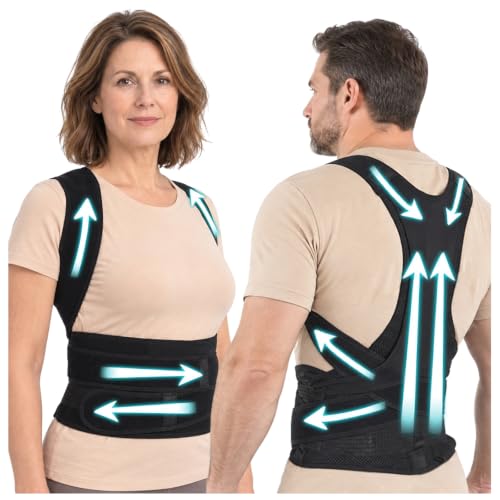
- Dual-layer upper- and lower-back support
- Breathable mesh for daily wear
- Adjustable straps and wide waist belt
Best For: Walking, light exercise, and everyday back support
Gym Training Pick
Adjustable Fitness Upper-Back Brace

- Reinforced 10-inch upper-back panel
- Independent upper and lower strap adjustment
- Breathable mesh for gym workouts
Best For: Gym routines and posture awareness between sets
Full-Torso Value Pick

- Full-back and lumbar support design
- Adjustable straps with widened waist belt
- Breathable mesh and included storage bag
Best For: Daily posture support with added lumbar coverage
Best Lightweight Pick

- Lightweight, breathable, ultra-thin construction
- Adjustable fit and compression
- Suitable for light exercise and daily wear
Best For: Adults wanting a soft posture reminder for everyday use and light activity
Best for Gradual Wear

- Fits 30–43-inch chest sizes
- Breathable and wearable under clothing
- Includes a lifetime warranty
Best For: Adults seeking adjustable support for walking, work, or standing
Best Firm-Support Design

- Firm elastic shoulder-strap tension
- Three adjustable underarm settings
- Breathable mesh and perforated materials
Best For: Adults wanting structured, noticeable posture support with airflow
Lightweight Hidden Support

- Wide stretch straps distribute backward tension
- Unified system simplifies adjustment
- Slim design fits under clothing
Best For: Active users wanting discreet, everyday posture support
Adjustable Everyday Brace
Back Support Posture Corrector

- Soft, breathable, washable fabric
- Discreet under-clothing profile
- Works across sports and daily activities
Best For: Active adults needing versatile posture support
Running-Friendly Lightweight Brace
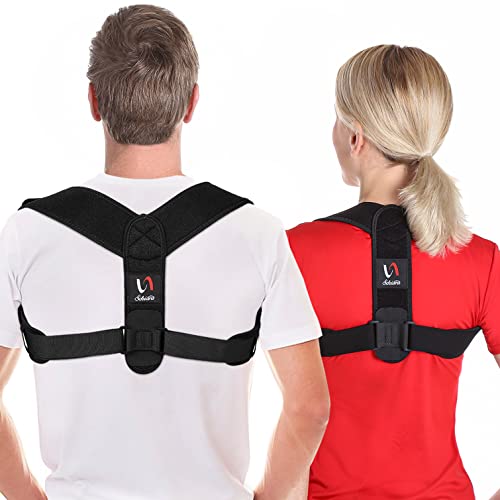
- Running is the listed sport type
- Lightweight, breathable, washable material
- Adjustable buckle and rear pad
Best For: Runners within the 30–42-inch chest range
Athlete Strength Pick – Dynamic Resistance Posture Corrector
For athletes seeking posture correctors for athletes that do more than passively hold the shoulders back, the PostureMedic Dynamic Posture Corrector uses active resistance training. Its Plus Strength design is intended for stronger muscle groups and includes a stretch, strengthen, and stabilize program.
Best For: Athletes and active users who want a higher-resistance posture-training system for upper-back strengthening and shoulder alignment.
Pros:
- Plus Strength resistance is designed for athletes and users with higher muscle density.
- Three-phase program includes stretching, strengthening, and stabilization drills.
- Professional-grade tubing, adjustable fit, and a lifetime warranty.
- Neoprene construction and instructional materials are included.
Cons:
- Higher resistance may be more than casual users need.
- The large size requires checking the updated size chart before ordering.
- It is primarily an active training tool rather than a low-profile everyday brace.
This is the most training-focused option in the group. Choose it when you want posture work integrated with resistance exercises, rather than simple passive shoulder positioning.
Everyday Support Pick – Full-Back Lumbar Posture Brace
Among posture correctors for athletes, this full-back brace is better suited to light activity, walking, stretching, and daily wear than intense training. It combines an open-back shoulder design with dual-layer lumbar support and a breathable mesh build.
Best For: Users who want adjustable upper- and lower-back support for walking, light exercise, yoga, desk work, or prolonged standing.
Pros:
- Dual-layer support addresses both upper-back alignment and the lumbar area.
- Adjustable shoulder straps and a wide hook-and-loop waist belt allow fit customization.
- Breathable mesh and an underarm-friendly design support extended wear.
- Can be self-adjusted and includes a limited lifetime warranty.
Cons:
- Its full-back structure may feel too substantial for high-intensity workouts.
- The product is positioned for everyday support and light exercise rather than athletic resistance training.
- A precise fit depends on selecting and adjusting multiple support areas.
This is a practical multipurpose brace for users who move between sitting, standing, walking, and light exercise. It offers broader torso support than a simple shoulder-only corrector.
Gym Training Pick – Adjustable Fitness Upper-Back Brace
This Gymgoer’s brace is one of the more workout-specific posture correctors for athletes, with a reinforced upper-back panel and dual-adjustment straps. It is designed as a posture-awareness cue during gym routines, not as a lifting safety device.
Best For: Medium to athletic builds seeking breathable upper-back and shoulder positioning support during gym workouts.
Pros:
- A 10-inch reinforced back panel provides a stable upper-back base.
- Independent upper and lower straps allow more precise tension adjustment.
- 3D air-knit mesh is designed for airflow during warm-ups and workouts.
- Lightweight, adjustable, wicking, and odor-resistant features suit gym use.
Cons:
- The recommended fit range is relatively specific: about 5’5″–5’10” and 120–160 pounds.
- It is listed as one size, so users outside the stated range should review fit carefully.
- It is not intended to prevent injuries or replace a lifting safety device.
For gym users, the reinforced panel and separate strap adjustments make this a focused upper-body posture cue. It is best used comfortably between sets and during training awareness work, rather than as protective lifting equipment.
Full-Torso Value Pick – Upgraded Lumbar Support Brace
For shoppers comparing posture correctors for athletes that can also handle everyday use, this upgraded full-back brace provides adjustable shoulder support, a widened waist belt, and breathable mesh. Its design emphasizes broad back and lumbar support rather than sport-specific movement.
Best For: Users wanting adjustable full-back and lumbar support for daily wear, posture practice, and activities involving light lifting or movement.
Pros:
- High-elastic support strips and a widened belt provide structured back and waist support.
- Fully adjustable shoulder straps and hook-and-loop closure help customize tension.
- Dense mesh is designed to improve breathability during extended wear.
- Includes a removable support strip and a storage bag.
Cons:
- The full-back design may be less suitable for unrestricted high-intensity athletic movement.
- Users must measure waist size at the navel and consult the size chart.
- Hand-wash care is required.
This brace is a versatile option when lumbar coverage matters as much as shoulder alignment. It may appeal to athletes who also want one adjustable support brace for routine daily activities, provided the fit does not limit movement.
Best Lightweight Pick – Adjustable Upper Back Brace
For athletes seeking posture correctors for athletes that can work beyond training sessions, this adjustable upper back brace emphasizes lightweight, breathable support. It is designed to encourage more upright shoulder positioning during daily activities, walking, driving, and light exercise.
Best For: Adults who want a soft, low-profile posture reminder for daily wear and light activity.
Pros:
- Adjustable design lets you customize the fit and compression level.
- Soft, breathable, ultra-light, and ultra-thin fabric is suited to warmer conditions.
- Designed to support the upper back, shoulders, neck, and clavicle area.
- Can be used at work, at home, while walking, driving, or during light exercise.
Cons:
- The notes position it for light exercise rather than demanding athletic training.
- The suggested wear schedule starts at just 1–2 hours per day, so it may require gradual use.
This is a practical choice if breathability and a subtle feel matter more than heavy-duty stabilization. Its adjustable construction makes it versatile, but athletes should view it as a posture-support aid rather than a substitute for medical care or sport-specific equipment.
Best for Gradual Wear – ComfyBrace Posture Corrector
The ComfyBrace is one of the more approachable posture correctors for athletes who need adjustable upper-back support during walking or long periods of standing. Its breathable, under-clothing design and gradual wear recommendation make it suited to building a posture routine over time.
Best For: Adults with 30–43-inch chest sizes who want adjustable support for walking, work, or extended standing.
Pros:
- Fully adjustable and designed to fit chest sizes from 30 to 43 inches.
- Breathable construction can be worn under clothing.
- Designed to support the upper back, shoulders, neck, and clavicle area.
- Includes a lifetime warranty according to the supplied product notes.
Cons:
- Recommended wear begins at 5–10 minutes per day and increases gradually.
- It is listed for walking, not specifically for intense athletic activity.
- Hand-wash care may add maintenance time.
Choose this model if comfort, discreet wear, and a gradual adjustment period are priorities. The fit range should be checked carefully, and the product notes explicitly state that it is intended to improve posture rather than replace medical or surgical treatment.
Best Firm-Support Design – Adjustable Mesh Back Brace
Athletes comparing posture correctors for athletes may prefer this model when they want a more noticeable corrective feel. Elastic shoulder straps provide responsive tension, while adjustable underarm settings and breathable mesh help refine the fit during everyday movement and activity.
Best For: Adults who prefer firm, adjustable upper-back support and a cooler, more structured brace design.
Pros:
- Elastic shoulder straps provide firm, responsive tension for an active posture reminder.
- Three underarm strap settings help manage pressure and improve adjustability.
- Breathable mesh, perforated SBR, and perforated side fabric promote airflow.
- Available in M/L for 33–41-inch waist measurements, with sizing guidance included.
Cons:
- The product notes acknowledge that underarm discomfort may not be eliminated completely.
- It should be worn over undergarments to help reduce friction.
- The more substantial design may feel less unobtrusive than a lightweight shoulder brace.
This is the strongest fit for users who want to feel the brace actively correcting their shoulder position rather than providing a barely-there reminder. Measure at the navel—not by pants size—and choose the larger size when between measurements or when a less restrictive fit is preferred.
Lightweight Hidden Support – Upper Back Posture Corrector
For athletes seeking posture correctors for athletes that can fit into an active routine, this lightweight upper-back brace combines wide, stretchy shoulder straps with a unified adjustment system. Its slim neoprene design is intended to remain discreet under clothing while encouraging a more upright posture.
Best For: Athletes who want low-profile posture support for activities such as running, as well as everyday wear.
Pros:
- Wide stretch straps provide gentle, even backward tension.
- Unified shoulder and abdominal adjustment system is designed for easier fitting.
- Lightweight, 0.3-inch-thick profile is intended to stay hidden under clothes.
- Available in multiple listed size ranges, with measurement under the bust recommended.
Cons:
- The supplied sizing information lists different ranges, so shoppers should verify the applicable size before ordering.
- Neoprene may feel warmer than more open, mesh-style materials during intense activity.
This is a practical option when discreet support and unrestricted movement matter. Use the product’s measurement guidance carefully to achieve the intended fit.
Adjustable Everyday Brace – Back Support Posture Corrector
This adjustable back brace is a straightforward choice among posture correctors for athletes who also need support during work, study, outdoor activities, or sports. Its lightweight, breathable, washable fabric and discreet profile are designed for regular wear.
Best For: Athletes and active adults who want a versatile brace for both training-related activities and prolonged sitting.
Pros:
- Lightweight, soft, breathable, sturdy, and washable fabric.
- Adjustable design is intended for men and women.
- Slim construction can be worn discreetly under daily clothing.
- Suitable for multiple settings, including sports, outdoor activities, work, and study.
Cons:
- The notes do not provide a specific chest or waist sizing range.
- Recommended wear begins at 5–10 minutes and gradually increases to 1–2 hours per session.
Its broad-use design makes it appealing if you want one brace for active and sedentary parts of the day. A gradual break-in schedule is important for comfort.
Running-Friendly Lightweight Brace – Adjustable Upper Back Support
Designed with running listed as its sport type, this adjustable brace is one of the posture correctors for athletes suited to users who prefer lightweight upper-back support. It can be worn under clothing and includes guidance to build wear time gradually.
Best For: Runners and active users with chest measurements from 30 to 42 inches who want lightweight, discreet posture support.
Pros:
- Lightweight 0.14-kilogram construction with soft, breathable, washable material.
- Adjustable buckle and rear pad help customize the fit.
- Designed to remain invisible under clothing.
- Running is identified as the sport type.
Cons:
- Continuous wear is limited to no more than two hours according to the supplied guidance.
- Users should stop immediately if numbness, swelling, or discoloration occurs.
- The listed 30–42-inch chest range requires measurement before ordering.
This brace stands out for runners who value a light, low-profile design, but it is best introduced gradually and adjusted promptly if discomfort develops.
How We Picked These Posture Correctors for Athletes
We focused on features that matter during training and everyday recovery: adjustability, upper-back and shoulder support, comfort, range of motion, breathability, and how discreetly each brace can be worn. The selection includes simple posture trainers, fuller back-support designs, and products marketed for active users.
Because a brace is not a substitute for strength work or medical care, we also considered whether the design appears practical for short sessions, light activity, desk work, and post-workout use. Athletes with an injury, persistent pain, numbness, or limited movement should ask a qualified clinician before using one.
Quick Comparison
| Best for | Look for | Why it matters |
|---|---|---|
| Training support | Lightweight, flexible construction | Helps preserve natural movement |
| Posture awareness | Shoulder-retraction design | Provides a reminder to avoid slouching |
| Extended wear | Padded, breathable straps | Reduces pressure and heat buildup |
| More back coverage | Full-back or lumbar support | Adds support below the shoulders |
| Under-clothing use | Low-profile materials | Creates a less visible fit |
Key Buying Factors for Posture Correctors for Athletes
Fit and Adjustability
A brace should sit securely without digging into the armpits, shoulders, or ribs. Adjustable straps are especially important because athletic clothing layers and body shape can vary. Check the sizing chart and measure as directed rather than choosing by general clothing size alone.
Mobility and Support Level
For workouts, choose a design that encourages alignment without forcing the shoulders into an uncomfortable position. Stronger or fuller braces may be more appropriate for light activity or recovery than for lifting, running, or dynamic sports. You should be able to breathe normally and move your arms freely.
Comfort and Ventilation
Look for soft edges, padding in pressure areas, and breathable fabric. A brace that causes sweating or irritation is unlikely to be worn consistently. If you plan to wear it under a shirt, prioritize a thin, smooth, low-profile design.
Intended Use
Some posture correctors function mainly as reminders, while others add lumbar or full-back support. Decide whether you need help during desk work, warmups, recovery, or general daily wear. Avoid assuming that a posture brace can correct an underlying condition on its own.
Who Should Buy Which Posture Correctors for Athletes?
Active trainees: Choose a lightweight, flexible model that supports shoulder awareness while preserving arm and torso movement.
Athletes focused on upper-back alignment: An adjustable shoulder-retraction brace can be useful for short posture-training sessions and as a reminder during recovery.
People who want lumbar coverage: Select a fuller back brace with lower-back support, but make sure it does not restrict bending, breathing, or sport-specific movement.
Discreet daily wear: Look for a slim, smooth brace designed to sit beneath clothing and use it for limited periods while building better posture habits.
Whichever model you choose, start with short wear sessions, adjust it gradually, and stop if you experience pain, tingling, numbness, skin irritation, or restricted breathing.