The best low-cut hiking shoes offer a practical balance of trail stability, walking comfort, and lighter weight than traditional hiking boots. They are well suited to day hikes, travel, and maintained trails where ankle coverage is not essential.
We compared 10 popular options across cushioning, traction, weather protection, durability, fit, and overall value to help you choose the right pair for your terrain and hiking style.
Best 10 Low Cut Hiking Shoes Picks for 2026
Classic Trail Comfort
Merrell Men's Moab 3 Hiking Shoe
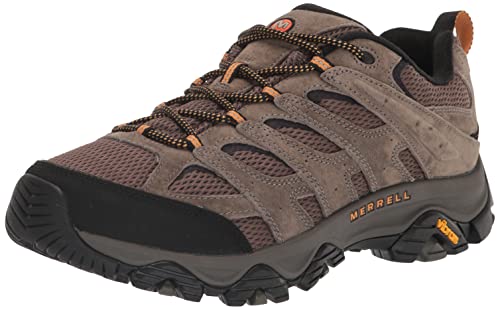
- Leather and mesh upper
- Contoured removable insole
- Protective toe cap and rubber grip
Best For: Day hikes and established trails
Lightweight Terrain Grip
Columbia Men's Transverse Hike Low

- Lightweight TechLite cushioning
- Omni-Grip multi-terrain outsole
- Leather and mesh upper
Best For: Mixed-surface hikes and lighter trail use
Supportive Suede Classic
Merrell Men's Moab 3 Hiking Shoe

- Suede and mesh upper
- Maximum listed cushioning
- Hard-ground rubber trail outsole
Best For: Cushioned hikes on established trails
Town-to-Trail Versatility

- Mesh upper with suede heel cap
- TechLite cushioning
- Non-marking Omni-Grip traction
Best For: Casual wear and light trail outings
Best Lightweight Pick

- 390 g in a US 9
- EVA cushioning
- Traxion grip outsole
Best For: Lightweight hiking and casual outdoor use in dry conditions
Best for Dry Trails

- Breathable suede mesh
- High-traction tread
- No break-in period
Best For: Dry trails, dirt, rocks, and everyday outdoor wear
Best Waterproof Pick

- KEEN.DRY waterproof membrane
- All-terrain rubber outsole
- Roomy toe-friendly fit
Best For: Wet, muddy, and rocky hikes requiring waterproof protection
Best Value Leather Pick
NORTIV 8 Waterproof Leather Hiking Shoes

- Waterproof leather and breathable lining
- Protective toe cap with rugged traction
- Removable arch-support insole
Best For: Versatile hiking and everyday outdoor use
Best for Rocky Trails
KEEN Targhee 3 Low Waterproof Shoes

- Waterproof membrane with quick-dry lining
- Protective plate and reinforced toe guard
- 4mm lugs with roomy toe box
Best For: Rocky and muddy trail hiking
Best for Wide Feet
NORTIV 8 Low Top Waterproof Hiking Shoes

- Roomy toe box for wider feet
- Waterproof build for puddles and streams
- Deep lugs with maximum cushioning
Best For: Comfortable hiking and outdoor work
Classic Trail Comfort – Merrell Men's Moab 3 Hiking Shoe
For hikers who want a familiar leather-and-mesh build, the Merrell Moab 3 is a practical low cut hiking shoes option for established trails and everyday outdoor use. Its removable contoured insole, reinforced heel cushioning, protective toe cap, and rubber outsole are geared toward moderate-support comfort and all-terrain grip.
Best For: Day hikes and trail use when you want cushioned support, breathable panels, and a protective toe cap.
Pros:
- Pigskin leather and mesh upper balances durability and breathability.
- Removable Kinetic Fit ADVANCED insole provides contoured medium support.
- Protective toe cap and bellows tongue help shield feet from trail debris.
- Recycled laces, webbing, and mesh lining add recycled-content details.
Cons:
- Listed as not water resistant.
- The leather-and-mesh construction may feel warmer than a fully mesh shoe.
The Moab 3 is a solid choice for hikers prioritizing support and proven trail-oriented construction over waterproof protection. Its low-top design keeps it relatively versatile for casual wear, too.
Lightweight Terrain Grip – Columbia Men's Transverse Hike Low
The Columbia Transverse Hike Low is a low cut hiking shoes pick for shoppers seeking sneaker-like comfort with dependable traction on rock, dirt, and gravel. Its TechLite cushioning is designed for lightweight impact absorption, while the Omni-Grip outsole supports wet- and dry-condition traction.
Best For: Varied-surface hikes where lightweight cushioning and multi-terrain grip matter most.
Pros:
- TechLite cushioning offers lightweight impact absorption and energy return.
- Omni-Grip outsole uses lug patterns for cross-terrain stability.
- Leather and mesh upper combines durability with ventilation.
- Listed weight is 8 ounces, supporting a lighter feel.
Cons:
- Listed as not water resistant.
- Pull-on closure may provide less adjustability than traditional laces.
This model makes sense for hikers who want a lighter, athletic-feeling shoe for mixed terrain. It emphasizes cushioning and traction, but wet-weather users should account for the lack of listed water resistance.
Supportive Suede Classic – Merrell Men's Moab 3 Hiking Shoe
This Merrell Moab 3 offers the low cut hiking shoes format with a suede-and-mesh upper, contoured footbed, and rubber outsole designed for trail surfaces. It is a practical option for hikers who want maximum listed cushioning, a protective toe cap, and a traditional lace-up fit.
Best For: Trail hikers seeking a cushioned, supportive low-top shoe with suede durability and all-terrain grip.
Pros:
- Suede and mesh upper provides a durable, breathable combination.
- Removable contoured insole and reinforced heel cushioning support comfort.
- Protective toe cap and bellows tongue help address common trail hazards.
- Rubber outsole is specified for hard-ground trail use.
Cons:
- Listed as not water resistant.
- Suede construction may require more care than a fully synthetic upper.
Choose this Moab 3 when cushioning and a secure lace-up fit are higher priorities than low weight or wet-weather protection. The low-top profile and neutral pronation specification keep it versatile for ordinary trail outings.
Town-to-Trail Versatility – Columbia Men's Fairbanks Low
The Columbia Fairbanks Low is designed as a versatile low cut hiking shoes option that can move between casual settings and trails. Its mesh upper, suede heel cap, flexible webbing eyelets, TechLite midsole, and Omni-Grip non-marking outsole combine everyday comfort with traction across wet and dry terrain.
Best For: Casual town-to-trail wearers who want flexible lacing, cushioning, and broad-use traction.
Pros:
- Mesh upper and suede heel cap balance breathability and reinforcement.
- TechLite midsole provides cushioning and energy return for extended wear.
- Omni-Grip outsole is non-marking and designed for wet and dry surfaces.
- Flexible webbing eyelets adapt to the foot while securing the fit.
Cons:
- Listed as not water resistant despite a supplied highlight mentioning waterproofing.
- Pull-on closure offers less traditional lace adjustment.
The Fairbanks Low is a useful crossover choice for shoppers who want one low-profile shoe for casual use and light outdoor activity. Its cushioning and non-marking traction are especially practical for all-day wear, while the water-resistance information should be checked carefully.
Best Lightweight Pick – adidas Terrex Anylander
Adidas Men's Terrex Anylander Hiking, Cardboard/Blanch Cargo/Shadow Olive, 10.5
Check Price On AmazonIf you want low cut hiking shoes for casual trails and everyday outdoor use, the adidas Terrex Anylander keeps the design lightweight while adding useful trail-focused features. Its EVA midsole provides cushioning, and the Traxion outsole is designed for grip across rugged terrain.
Best For: Lightweight hiking and casual outdoor wear in dry conditions.
Pros:
- Lightweight construction weighs 390 g in a US 9.
- EVA midsole offers step-absorbing comfort.
- Traxion outsole provides multidirectional grip.
- Reinforced toe cap adds durability.
Cons:
- Not water resistant.
- Textile upper may offer less protection than a leather design.
The Anylander is a practical choice when low weight and flexible comfort matter more than waterproofing. It is best suited to fair-weather hikes and general outdoor use.
Best for Dry Trails – Columbia Crestwood
The Columbia Crestwood is a straightforward option among low cut hiking shoes, combining a lightweight build with breathable suede mesh. Its high-traction tread is designed for dirt, rocks, and varied terrain, while the ready-to-wear design requires no break-in period.
Best For: Dry-environment hikes, everyday trail use, and shoppers seeking a breathable fit.
Pros:
- Lightweight trail-ready design avoids a bulky feel.
- Breathable suede mesh suits dry environments.
- High-traction tread supports movement on dirt and rocks.
- Designed to be comfortable right out of the box.
Cons:
- Not water resistant.
- Designed for moderate cushioning rather than maximum cushioning.
The Crestwood makes sense for hikers who prioritize breathability, traction, and immediate comfort. Because it is not water resistant, it is better matched with dry trails than wet-weather routes.
Best Waterproof Pick – KEEN Targhee 4 Low
For wet routes, the KEEN Targhee 4 Low stands out among low cut hiking shoes with its KEEN.DRY waterproof breathable membrane. It also adds an all-terrain rubber outsole, a protective toe guard, and a roomy Original Fit for hikers who want coverage and foot protection.
Best For: Waterproof hiking on muddy and rocky terrain.
Pros:
- KEEN.DRY membrane helps keep feet dry while allowing vapor out.
- KEEN.ALL-TERRAIN outsole is designed for mud and rocks.
- Roomy Original Fit allows toes to spread out.
- Bruise plate and rubber toe guard add protection.
Cons:
- Leather construction may feel less airy than a fully mesh shoe.
- Offers moderate cushioning rather than a maximum-cushion setup.
The Targhee 4 Low is the strongest fit for hikers who need waterproofing and added protection on uneven terrain. Its supportive, roomy construction favors durability and trail coverage over an ultralight feel.
Best Value Leather Pick – NORTIV 8 Waterproof Leather Hiking Shoes
For shoppers comparing low cut hiking shoes, the NORTIV 8 Quest-1 combines a suede leather upper, waterproof construction, and a traction-focused rubber outsole. Its removable insole and shock-absorbing midsole also make it practical for everyday outdoor wear.
Best For: Hikers and outdoor users seeking a versatile waterproof shoe with leather construction and cushioned support.
Pros:
- Suede leather upper and rubber toe cap provide durability and protection.
- Waterproof membrane and breathable mesh lining help keep feet dry.
- Multi-directional traction outsole grips muddy and rocky surfaces.
- Removable arch-support insole and shock-absorbing midsole support all-day comfort.
Cons:
- Leather construction may feel less flexible than lightweight textile shoes.
- Two versions may ship during the product’s lightweight upgrade transition.
This is a well-rounded option for buyers who want low cut hiking shoes that can move between trails, travel, and daily outdoor use. The waterproof build and protective details are especially useful in variable conditions.
Best for Rocky Trails – KEEN Targhee 3 Low Waterproof Shoes
The KEEN Targhee 3 is among the more trail-focused low cut hiking shoes in this roundup, pairing a waterproof membrane with a protective bruise plate, toe guard, and aggressive rubber lugs. Its generous toe space and external support features add comfort and stability on uneven ground.
Best For: Hikers who prioritize protection, traction, and a roomier toe area on rocky or muddy trails.
Pros:
- KEEN.DRY membrane helps keep feet dry while allowing vapor out.
- Bruise plate and abrasion-resistant toe guard add trail protection.
- 4mm multi-directional lugs provide traction on mud and rocky surfaces.
- Original Fit leaves generous space for toes to spread out.
Cons:
- At about 2 pounds, it may feel heavier than some lightweight hiking shoes.
- The fit may run true to size or slightly large.
- Leather and performance mesh require specific cleaning care.
Choose the Targhee 3 when stability and trail protection matter more than having the lightest possible shoe. The supportive design and roomy toe box make it a strong match for demanding, uneven routes.
Best for Wide Feet – NORTIV 8 Low Top Waterproof Hiking Shoes
These NORTIV 8 low cut hiking shoes emphasize a roomy toe box, waterproof protection, and maximum cushioning. Deep outsole lugs, a reinforced heel, and a rubber toe cap make them a practical choice for hiking, camping, and outdoor work.
Best For: Outdoor users with wider feet who want cushioned support and dependable grip for mixed terrain.
Pros:
- Roomy toe box accommodates wider feet for extended wear.
- Waterproof membrane helps protect against puddles and shallow streams.
- Rubber toe cap and reinforced heel improve impact protection and stability.
- Deep-lug outsole and flexible cushioned midsole support varied outdoor surfaces.
Cons:
- Roomier sizing may feel less secure for narrow feet.
- Maximum cushioning can provide a less direct trail feel.
This model is a sensible fit-first choice among low cut hiking shoes, especially for buyers who often find standard toe boxes restrictive. Its combination of cushioning, waterproofing, and deep traction suits everyday outdoor adventures.
How We Picked the Best Low Cut Hiking Shoes
We focused on features that matter during real day hikes: outsole traction, midsole cushioning, upper durability, water resistance, breathability, fit, and expected comfort over varied terrain. We also considered whether each shoe is better suited to dry trails, wet conditions, travel, casual outdoor use, or more demanding hiking.
Because no single shoe works for every foot or trail, the roundup includes lightweight models as well as sturdier waterproof designs. Product specifications, construction, intended use, and overall value informed the comparison.
Quick Comparison
| Priority | Look for | Best suited to |
|---|---|---|
| Lightweight comfort | Flexible construction and moderate cushioning | Day hikes, travel, and easy trails |
| Wet-weather protection | Waterproof membrane and gusseted tongue | Rainy routes, damp grass, and muddy paths |
| Rugged support | Firm midsole, protective toe cap, and structured upper | Rocky or uneven terrain |
| Everyday versatility | Comfortable fit and moderate tread | Walking, commuting, and casual outdoor wear |
Key Buying Factors for Low-Cut Hiking Shoes
Traction and Outsole Design
Choose deeper, widely spaced lugs for loose dirt, mud, and uneven ground. A moderately lugged outsole is usually more comfortable on pavement and packed trails. Rubber compound and tread durability also affect grip over time.
Waterproofing and Breathability
Waterproof Low Cut Hiking Shoes help keep feet dry in rain and shallow puddles, but they can feel warmer than mesh shoes. If you mostly hike in hot, dry conditions, prioritize ventilation instead. Remember that waterproof footwear cannot prevent water entering over the collar.
Fit, Cushioning, and Support
Your heel should stay secure without pressure, while your toes need enough room to spread and swell during long hikes. Try shoes with the socks you plan to wear, and check for rubbing around the heel and forefoot. More cushioning can improve comfort, but a firmer platform may feel steadier on rocky ground.
Durability and Protection
Leather or reinforced synthetic uppers generally handle abrasion better than lightweight mesh. Protective toe caps are useful around roots and rocks, while a flexible upper may be preferable for casual trails and travel.
Who Should Buy Which Low Cut Hiking Shoes?
Choose a lightweight, breathable pair if you hike mainly on maintained trails or want shoes that also work for travel and everyday walking. Pick a waterproof model if your routes regularly include rain, wet vegetation, or muddy sections. For rocky terrain and heavier packs, prioritize a structured shoe with strong traction, a supportive midsole, and a protective toe cap.
Those who need extra room should pay close attention to the brand’s width options and return policy rather than assuming every hiking shoe fits similarly. If you are unsure between sizes, measure both feet and use the larger foot as your reference. Finally, break in any new pair with short walks before committing to a full-day hike.