The best hiking shoes for men balance traction, protection, comfort, and weather resistance without making every mile feel like a workout. This roundup compares 10 options ranging from low-profile day-hiking shoes to waterproof mid-height boots.
Use the guide below to narrow your choices by terrain, fit, waterproofing, support, and budget before selecting the pair that matches your usual adventures.
Best 10 Hiking Shoes for Men Picks for 2026
Best Overall Comfort
Merrell Men's Moab 3 Hiking Shoe
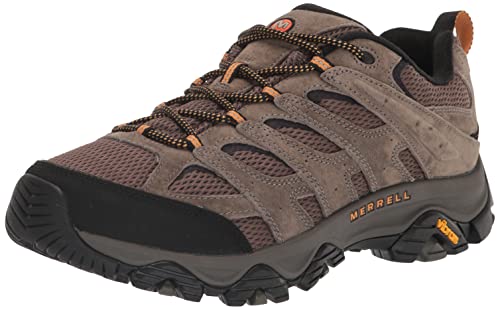
- Suede and mesh upper
- Contoured medium-support insole
- Protective bellows tongue
Best For: Casual hikers wanting balanced support on dry trails
Best for Wet Weather
Columbia Men's Transverse Hike Waterproof
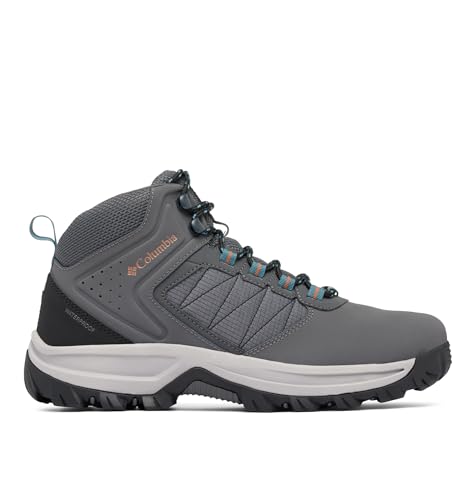
- Waterproof seam-sealed construction
- OMNI-GRIP multi-terrain outsole
- TECHLITE impact-absorbing cushioning
Best For: Hikers facing rain, snow, and mixed terrain
Best Lightweight Trail Pick
adidas Men's Terrex Anylander Hiking Shoes

- Lightweight 390 g design
- EVA midsole cushioning
- Traxion rugged-terrain grip
Best For: Dry-trail hikers who prefer a lighter low-top shoe
Best Value for Dry Trails
Columbia Men's Crestwood Hiking Boots

- Breathable suede-mesh construction
- High-traction all-terrain tread
- Moderate-to-high cushioning
Best For: Dry-trail hikers seeking lightweight traction and comfort
Trail-Proven Comfort

- Waterproof KEEN.DRY membrane
- Trail grip with protective toe guard
- Roomy fit with arch-supporting footbed
Best For: Day hikes on muddy or rocky trails
Lightweight Wet-Weather Pick

- Waterproof RAIN.RDY membrane
- Lightweight EVA cushioning
- Traxion outsole for multidirectional grip
Best For: Wet hikes and rugged terrain
Budget-Friendly Ankle Support
NORTIV 8 Waterproof Hiking Boots

- Waterproof ankle-high design
- Cushioned removable insoles
- Slip-resistant rubber traction
Best For: Wet trails and everyday outdoor activities
Best Wide-Fit Pick
NORTIV 8 Low Top Waterproof Hiking Shoes

- Roomy toe box for wider feet
- Waterproof membrane construction
- Deep-lug outsole with cushioned support
Best For: Hikers seeking a roomy, low-top waterproof shoe
Best Mid-Top Support
NORTIV 8 Waterproof Lightweight Hiking Boots

- Ankle-high waterproof construction
- Toe cap and reinforced heel protection
- Multi-directional traction outsole
Best For: Outdoor users wanting waterproof ankle coverage and stability
Best Lightweight Cushioning
SHULOOK Waterproof Mid-Top Hiking Boots

- Lightweight 1.25-pound design
- Memory foam and EVA cushioning
- Waterproof, breathable mid-top build
Best For: Hikers wanting lightweight comfort and versatile traction
Best Overall Comfort – Merrell Men's Moab 3 Hiking Shoe
For shoppers comparing hiking shoes for men, the Merrell Moab 3 is a practical everyday trail option with a suede-and-mesh upper, moderate cushioning, and a supportive removable insole. Its protective details add durability for casual hikes and outdoor use.
Best For: Casual hikers seeking balanced support and comfort on established trails.
Pros:
- Suede and mesh upper balances durability and ventilation.
- Kinetic Fit ADVANCED insole provides contoured, medium support.
- Bellows tongue helps keep trail debris out.
- Recycled laces, webbing, and mesh lining add eco-conscious details.
Cons:
- Not water resistant.
- Moderate cushioning may not suit shoppers wanting maximum underfoot plushness.
The Moab 3 is a well-rounded pick for dry-weather hiking and casual outdoor wear, especially if a supportive removable insole matters more than waterproofing.
Best for Wet Weather – Columbia Men's Transverse Hike Waterproof
Among hiking shoes for men, the Columbia Transverse Hike Waterproof stands out for wet-weather protection. Its seam-sealed OMNI-TECH construction, cushioned collar, and OMNI-GRIP outsole are designed for comfortable movement across damp, varied terrain.
Best For: Hikers who regularly encounter moderate rain, snow, rock, dirt, and gravel.
Pros:
- Waterproof, breathable OMNI-TECH construction helps keep feet dry.
- OMNI-GRIP outsole is designed for wet and dry multi-terrain traction.
- TECHLITE cushioning provides impact absorption and energy return.
- Leather and mesh upper includes durable metal hardware.
Cons:
- Pull-on closure offers less adjustability than traditional laces.
- The mid-top hiking form may feel more substantial than a low-top shoe.
This is the strongest choice here for changing conditions, combining waterproof construction with cushioning and traction for all-season hiking.
Best Lightweight Trail Pick – adidas Men's Terrex Anylander Hiking Shoes
The adidas Terrex Anylander is a lightweight option for shoppers seeking hiking shoes for men with a flexible, comfortable feel. It pairs a stretchy textile upper with a reinforced toe cap, EVA cushioning, and a Traxion outsole built for grip on rugged terrain.
Best For: Hikers prioritizing low weight, cushioning, and directional traction in dry conditions.
Pros:
- Lightweight design weighs 390 g in a US 9.
- EVA midsole provides durable step-absorbing cushioning.
- Traxion lugs support grip in multiple directions.
- Reinforced toe cap adds protection and durability.
Cons:
- Not water resistant.
- Textile upper may provide less weather protection than leather or waterproof construction.
Choose the Anylander if a lighter low-top profile is your priority. It is best suited to dry trails where cushioning and outsole grip matter more than waterproofing.
Best Value for Dry Trails – Columbia Men's Crestwood Hiking Boots
The Columbia Crestwood is a straightforward choice for shoppers comparing hiking shoes for men for dry environments. Its breathable suede-and-mesh construction, moderate-to-high cushioning, and high-traction tread offer practical trail performance without a bulky feel.
Best For: Dry-weather hikers who want breathable materials and dependable traction for dirt and rocks.
Pros:
- Lightweight construction is designed to avoid a bulky feel.
- Breathable suede mesh suits dry environments.
- High-traction tread supports stability on dirt, rocks, and varied terrain.
- Designed for use right out of the box without a break-in period.
Cons:
- Not water resistant.
- Best suited to dry conditions rather than wet-weather hiking.
The Crestwood makes sense for everyday trail use when breathability, traction, and moderate-to-high cushioning are the main priorities.
Trail-Proven Comfort – KEEN Targhee 3 Low Waterproof
For hikers seeking dependable hiking shoes for men, the KEEN Targhee 3 Low combines waterproof coverage, a roomy toe box, and durable trail protection. Its low-cut design suits hikers who want flexibility without giving up underfoot support.
Best For: Day hikes and muddy or rocky trails where waterproofing, traction, and toe protection matter.
Pros:
- KEEN.DRY waterproof membrane helps keep feet dry while allowing vapor to escape.
- KEEN ALL-TERRAIN rubber and 4mm multidirectional lugs provide grip on muddy and rocky surfaces.
- Bruise plate, rubber toe guard, heel cradle, and external support shank add trail protection and stability.
- Roomy KEEN Original Fit and removable arch-supporting footbed provide a comfortable fit.
Cons:
- The low-top profile offers less ankle coverage than a mid or high hiking boot.
- Leather construction may require more cleaning and care than a fully synthetic shoe.
The Targhee 3 Low is a strong all-around choice for hikers who prioritize protection and wet-weather performance. Its generous fit may be especially appealing if you prefer extra room for your toes.
Lightweight Wet-Weather Pick – adidas Terrex Anylander Mid
The adidas Terrex Anylander Mid is a lightweight option among hiking shoes for men, pairing a waterproof RAIN.RDY membrane with EVA cushioning and a mid-top profile. It is designed for hikers who want comfortable support without a heavy-feeling shoe.
Best For: Wet-weather hikes and rugged terrain when lightweight cushioning and multidirectional traction are priorities.
Pros:
- Waterproof RAIN.RDY membrane helps keep feet dry in wet conditions.
- EVA midsole delivers step-absorbing, durable cushioning.
- Traxion outsole uses directional lugs for grip on rugged terrain.
- Weighs 390 g in a US size 9 and uses some recycled and renewable materials.
Cons:
- The supplied specifications list the outer material as rubber and the shoe as unlined, so interior construction details are limited.
- Its mid-top design may feel less flexible than a low-cut hiking shoe.
The Anylander Mid makes sense for hikers who want waterproof protection and cushioning in a relatively light package. The Traxion outsole is a useful match for routes with varied, rugged surfaces.
Budget-Friendly Ankle Support – NORTIV 8 Waterproof Hiking Boots
The NORTIV 8 Ankle High is a practical boot-style choice for hiking shoes for men, with waterproof construction, cushioned insoles, and an ankle-high shaft. Its flexible EVA midsole is designed to help reduce fatigue during longer outdoor outings.
Best For: Hikers who want ankle-high coverage, cushioning, and slip-resistant traction for wet or uneven surfaces.
Pros:
- Waterproof construction helps protect feet in wet conditions.
- Removable shock-absorbent insoles and flexible EVA midsoles support all-day comfort.
- Rubber soles are designed for slip resistance and traction on wet or muddy ground.
- Versatile styling suits hiking, camping, hunting, travel, and other outdoor activities.
Cons:
- Nylon and faux-leather construction may not offer the same material feel as premium leather footwear.
- The ankle-high design provides more coverage than a low shoe but may feel less minimal on the trail.
- The supplied details do not specify a waterproof membrane.
This NORTIV 8 model is a sensible option when cushioning and ankle coverage are more important than a low-profile design. Its rubber outsole and waterproof build make it suited to everyday outdoor use as well as hiking.
Best Wide-Fit Pick – NORTIV 8 Low Top Waterproof Hiking Shoes
For men shopping for hiking shoes for men with extra room up front, these NORTIV 8 low-top hikers combine a roomy toe box with waterproof construction and trail-focused protection. The deep-lug outsole, rubber toe cap, and cushioned MD midsole suit varied outdoor surfaces.
Best For: Hikers who prioritize a roomy fit, low-top flexibility, and protection for trails, camping, and other outdoor activities.
Pros:
- Roomy toe box accommodates wider feet.
- Waterproof membrane helps keep feet dry in puddles and shallow streams.
- Rubber toe cap, reinforced heel, and deep-lug outsole add trail protection and traction.
- Flexible, shock-absorbing MD midsole helps reduce foot fatigue.
Cons:
- Low-top height provides less ankle coverage than a hiking boot.
- The roomy fit may feel less snug for narrow feet.
Choose this pair if comfort and toe-room are higher priorities than ankle coverage. Its waterproof build and rugged outsole make it a practical option for everyday outdoor use and moderate trail conditions.
Best Mid-Top Support – NORTIV 8 Waterproof Lightweight Hiking Boots
These NORTIV 8 boots are a strong choice among hiking shoes for men when ankle-high coverage and waterproof protection matter. A rubber toe cap, reinforced heel, suede outer material, and multi-directional traction outsole support demanding outdoor use.
Best For: Hikers and outdoor users wanting ankle-high waterproof footwear with cushioning, stability, and durable traction.
Pros:
- Waterproof membrane construction helps block mud and water.
- Ankle-high design, rubber toe cap, and reinforced heel provide added protection and stability.
- Multi-directional traction outsole improves grip across varied terrain.
- Removable insole and shock-absorbent MD midsole support comfortable steps.
Cons:
- Mid-top construction offers less low-profile flexibility than hiking shoes.
- Suede material may require more care in wet or muddy conditions.
This model fits shoppers who want the extra coverage of a hiking boot without giving up a lightweight design. It is versatile enough for hiking, camping, hunting, trekking, and everyday wear.
Best Lightweight Cushioning – SHULOOK Waterproof Mid-Top Hiking Boots
For shoppers comparing hiking shoes for men with a lightweight feel, these SHULOOK mid-top boots pair waterproof construction with breathable lining and cushioning underfoot. The memory foam insole, flexible EVA midsole, and traction rubber sole support long days on mixed terrain.
Best For: Hikers who want lightweight, breathable mid-top boots with adjustable fit, cushioning, and reliable grip.
Pros:
- Lightweight design weighs about 1.25 pounds per pair in size 10.
- Waterproof membrane, closed-cell tongue, and protective toe help block moisture and debris.
- Removable memory foam insole and EVA midsole provide cushioning and arch support.
- Traction rubber sole offers grip across varied environments.
Cons:
- Listed as a summer-season model, which may limit cold-weather suitability.
- Synthetic suede and fabric construction may not offer the same feel as full leather.
This pair stands out for balancing low weight, ventilation, and cushioning. It is a useful option for hiking, walking, travel, and other outdoor activities where comfort over extended wear is important.
How We Picked These Hiking Shoes for Men
We focused on practical features that matter on real trails: outsole traction, water resistance, cushioning, ankle coverage, construction, weight, and overall versatility. The selection includes established outdoor models from Merrell, Columbia, KEEN, adidas, and NORTIV 8, along with budget-oriented styles for casual hiking and travel.
Because no single shoe suits every hiker, we considered different use cases rather than ranking every pair on one narrow scale. Low shoes generally favor mobility and lighter weight, while boots typically provide more coverage and stability.
Quick Comparison
| Type | Best For | Main Advantage | Potential Trade-Off |
|---|---|---|---|
| Low hiking shoes | Day hikes and travel | Lightweight movement | Less ankle coverage |
| Waterproof low shoes | Wet paths and mixed weather | Weather protection with flexibility | May feel warmer |
| Mid-height hiking boots | Rough terrain and backpacking | Added ankle and debris protection | More weight and stiffness |
| Budget hiking boots | Occasional hikers | Lower upfront cost | Durability and fit can vary |
Key Buying Factors for Hiking Shoes for Men
Fit and Comfort
Look for a secure heel, enough room to spread your toes, and no pressure points across the instep. Try shoes with the socks you plan to hike in, and leave extra space at the toes for downhill movement. A properly fitted shoe is more important than a long feature list.
Traction and Terrain
For muddy, rocky, or uneven trails, choose a lugged rubber outsole with dependable edging. Smoother soles can work well for parks, gravel paths, and everyday wear but may slip more easily on loose or wet ground.
Waterproofing and Breathability
Waterproof membranes help with rain, puddles, and damp grass, but they can retain heat and dry slowly after soaking. If you hike mostly in hot, dry conditions, a more breathable non-waterproof shoe may be preferable.
Support, Protection, and Weight
Low shoes offer natural mobility and usually weigh less. Mid-height boots add ankle coverage and can feel more reassuring with a loaded pack or on uneven terrain. Consider toe protection, midsole cushioning, and shank support alongside the shoe’s listed weight.
Who Should Buy Which Hiking Shoes for Men?
- For everyday day hikes: Choose a low hiking shoe with comfortable cushioning and versatile traction.
- For wet trails: Select a waterproof low shoe if you want flexibility, or a waterproof boot for more coverage.
- For rocky or uneven routes: Favor a supportive mid-height design with a protective toe and substantial outsole.
- For occasional hikers: A reasonably priced waterproof shoe or boot can provide useful versatility without a premium investment.
- For long-distance or warm-weather hikes: Prioritize low weight, ventilation, and a fit that prevents rubbing over extra insulation.
Before buying, check the manufacturer’s sizing guidance and return policy. If you are between sizes or plan to wear thick socks, account for that when choosing your fit.