The best fitness trackers with heart rate monitoring make it easier to understand daily activity, workout effort, sleep, and recovery without carrying a full-size smartwatch.
These 10 picks range from lightweight bands and simple no-phone pedometers to connected trackers with detailed health insights, sport modes, and smartwatch features. Use the guide below to narrow the options by accuracy, battery life, comfort, connectivity, and price.
Best 10 Fitness Trackers with Heart Rate Picks for 2026
Best Long-Battery Pick

- 21-day battery life
- 1.72-inch bright AMOLED display
- Heart rate, sleep, blood oxygen, and multisport tracking
Best For: Long battery life and bright-screen fitness tracking
Best GPS Fitness Tracker
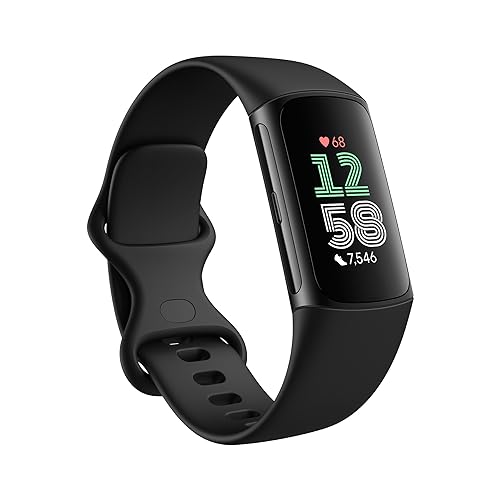
- Built-in GPS and 40+ exercise modes
- 24/7 heart rate and sleep tracking
- Google Maps, Wallet, and Music controls
Best For: Connected workouts and phone-free route tracking
Best Feature-Heavy Value
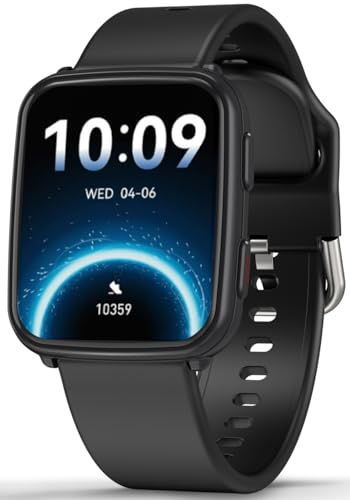
- 24/7 heart rate and blood pressure monitoring
- 120+ sport modes and sleep tracking
- Cycle tracking, notifications, and up to 7-day battery
Best For: Broad wellness and smartwatch features
Best Simple Fitbit

- Up to 10-day battery life
- 24/7 heart rate, sleep, stress, and activity tracking
- 40+ exercise modes with smartphone-connected GPS
Best For: Simple everyday health and habit tracking
Top Feature-Packed Pick

- Heart rate and sleep monitoring
- 140 sport modes with IP68 rating
- Bluetooth calling and notifications
Best For: Versatile fitness and smartwatch features
Best Slim Wellness Choice
MorePro Health Fitness Tracker

- 24/7 heart rate and sleep tracking
- Women’s health and wellness features
- Slim design with up to 7-day battery
Best For: Lightweight everyday wellness tracking
Best No-App Simplicity
Phone-Free Fitness Tracker Watch

- Basic use without an app or phone
- Heart rate, sleep, and activity tracking
- Nine sport modes and IP68 water resistance
Best For: Simple, low-setup fitness tracking
Best All-Around AMOLED Tracker
24/7 Heart Rate Fitness Tracker

- Continuous heart-rate and sleep tracking
- 25 sports modes with connected GPS
- AMOLED display and up to 7-day battery
Best For: Everyday activity tracking and varied workouts
Best Simple Phone-Free Option
No-App Heart Rate Fitness Tracker
- Works without an app or smartphone connection
- Tracks heart rate, sleep, and daily activity
- Nine sport modes with IP68 water resistance
Best For: Straightforward fitness tracking with minimal setup
Best for Water Activities
Zeacool 24/7 Heart Rate Tracker

- 5 ATM waterproof design for swimming and daily wear
- 25 sport modes with broad health tracking
- Up to 10–14 days of regular-use battery
Best For: Water activities and extended battery life
Best Long-Battery Pick – Xiaomi Smart Band 10
The Xiaomi Smart Band 10 is a practical choice among fitness trackers with heart rate monitoring for shoppers who want a bright display, extensive activity features, and minimal charging. It tracks heart rate, sleep, blood oxygen, and workouts, while its 21-day battery rating supports longer stretches between charges.
Best For: Users who prioritize long battery life, a large outdoor-readable screen, and swimming or multisport tracking.
Pros:
- 21-day battery life with approximately one-hour full charging
- Large 1.72-inch AMOLED display with up to 1500 nits HBM brightness
- Tracks heart rate, blood oxygen, sleep, and multiple sports
- 50-meter water resistance and swimming-focused compass features
Cons:
- No built-in GPS; smartphone-connected tracking may be needed for routes
- The Xiaomi Fit app primarily supports metric measurements
The Smart Band 10 stands out for endurance and screen quality. It is a strong fit for everyday health tracking and pool workouts, but runners who want independent route tracking should consider a model with built-in GPS.
Best GPS Fitness Tracker – Fitbit Charge 6
The Fitbit Charge 6 is one of the more feature-rich fitness trackers with heart rate monitoring in this roundup. It combines 24/7 heart rate tracking with built-in GPS, 40-plus exercise modes, sleep insights, stress tracking, and Google features for workouts and daily use.
Best For: Active users who want built-in GPS, exercise-machine heart-rate connections, and broad health and fitness metrics.
Pros:
- Built-in GPS for runs and rides without relying entirely on a phone
- 24/7 heart rate tracking, Active Zone Minutes, and 40-plus exercise modes
- Tracks sleep, stress management, Daily Readiness, and blood oxygen
- Supports Google Maps directions, Google Wallet, and YouTube Music controls
Cons:
- Battery life is rated at up to seven days, shorter than the Xiaomi model
- Some coaching features require a separately sold premium membership
Charge 6 is a well-rounded choice for people who want location tracking and deeper workout features in a compact tracker. Its Google integration adds convenience, while the subscription limitation is worth considering for shoppers seeking all features without ongoing costs.
Best Feature-Heavy Value – MorePro Fitness Tracker
The MorePro Fitness Tracker offers a broad set of wellness and everyday smartwatch tools for shoppers comparing fitness trackers with heart rate monitoring. It includes 24/7 heart rate and blood pressure monitoring, on-demand blood oxygen checks, sleep tracking, 120-plus sport modes, and notification support.
Best For: Users who want many health, activity, notification, and women’s health features in one affordable-style tracker.
Pros:
- 24/7 heart rate and blood pressure monitoring plus on-demand blood oxygen checks
- 120-plus sport modes with steps, distance, calories, heart rate, and training time
- Includes sleep tracking, cycle tracking, reminders, notifications, and music controls
- Up to seven days of normal-use battery life and IP68 water resistance
Cons:
- Health measurements are intended to support wellness and are not for medical use
- Not compatible with PCs or tablets
- The supplied notes do not identify built-in GPS
MorePro is appealing if feature variety matters more than a refined ecosystem. It covers a wide range of routines and lifestyle needs, though shoppers should treat its health readings as general wellness information and verify phone compatibility before buying.
Best Simple Fitbit – Fitbit Inspire 3
The Fitbit Inspire 3 is a slim, straightforward option among fitness trackers with heart rate monitoring. It provides 24/7 heart rate tracking, all-day activity monitoring, automatic exercise detection, sleep and stress scores, and smartphone-connected GPS in a compact design.
Best For: Beginners and everyday users who want lightweight health, sleep, activity, and stress tracking without built-in GPS.
Pros:
- Up to 10 days of battery life
- 24/7 heart rate, activity, sleep, stress, and blood oxygen tracking
- Includes 40-plus exercise modes and automatic exercise tracking
- Offers smart wake alarms, breathing sessions, and menstrual health tracking
Cons:
- GPS works through a connected smartphone rather than built into the tracker
- Its 0.76-inch display is smaller than the Xiaomi Smart Band 10’s screen
- Some listed features may depend on compatible iOS or Android versions
Inspire 3 keeps the experience focused on core health and habit tracking. It is a sensible pick for users who value comfort and battery life, provided they are comfortable carrying a phone for GPS-based workouts.
Top Feature-Packed Pick – 140-Mode Smart Watch
If you want fitness trackers with heart rate monitoring plus smartwatch conveniences, this model combines real-time heart rate tracking, sleep analysis, and 140 sport modes with Bluetooth calling. Its 1.83-inch display and broad Android/iPhone compatibility make it practical for everyday wear and varied workouts.
Best For: Shoppers seeking a versatile fitness tracker with extensive workout modes, notifications, and calling features.
Pros:
- Tracks heart rate, sleep, steps, and workouts across 140 sport modes.
- Large 1.83-inch HD display with customizable watch faces.
- IP68 water resistance and stated 5–7 days of typical battery life.
- Supports Bluetooth calls, music control, and phone notifications.
Cons:
- GPS requires a connected smartphone.
- Notifications cannot be answered from the watch.
- Step recording starts after more than 20 steps.
This is the most feature-rich option of the three, especially for users who want workout variety and smart functions in addition to heart rate and sleep tracking. Keep the smartphone connection requirement in mind if you want route tracking.
Best Slim Wellness Choice – MorePro Health Fitness Tracker
For a slimmer everyday option among fitness trackers with heart rate monitoring, the MorePro tracker adds activity, sleep, blood pressure, and on-demand blood oxygen features. Its 1.47-inch display, lightweight design, and up to seven days of use suit routine wellness tracking and daily wear.
Best For: Users who want a lightweight wellness tracker with women’s health tools and basic workout tracking.
Pros:
- Offers 24/7 heart rate monitoring with additional wellness measurements.
- Tracks steps, distance, calories, activity, and light/deep sleep.
- Includes women’s health tracking and 300-plus watch faces.
- Provides seven sports modes, IP68 protection, and up to seven days of use.
Cons:
- Blood pressure and blood oxygen features are for general wellness, not medical use.
- Requires Android 7.0 or iOS 13.0 and newer smartphones.
- It is not compatible with PCs, iPads, or tablets.
The MorePro emphasizes wellness insights and comfortable daily wear rather than a large collection of exercise modes. It is a sensible fit for users who value sleep, women’s health, and notification features alongside heart rate tracking.
Best No-App Simplicity – Phone-Free Fitness Tracker Watch
This tracker stands out among fitness trackers with heart rate monitoring because its core use does not require an app or phone connection. It records heart rate, sleep, steps, calories, distance, and active time, making it a straightforward choice for users who prefer simple fitness data and a watch-like setup.
Best For: People who want basic heart rate and activity tracking without depending on a smartphone for everyday use.
Pros:
- Designed to work without an app or phone connection for basic tracking.
- Monitors heart rate and sleep, including deep sleep, light sleep, and awake time.
- Records steps, calories, distance, and active time across nine sport modes.
- Offers IP68 water resistance and stated 5–7 days of continuous use.
Cons:
- It cannot make calls or send texts.
- GPS functionality is via a smartphone.
- Not compatible with tablets or computers.
This is the simplest pick for users who want essential tracking with fewer setup demands. It still supports phone notifications and optional app features, but its main advantage is that basic activity and health tracking can be used without a smartphone connection.
Best All-Around AMOLED Tracker – 24/7 Heart Rate Fitness Tracker
If you want fitness trackers with heart rate monitoring plus broad everyday features, this model combines continuous heart-rate tracking with sleep data, 25 sport modes, connected GPS, and an AMOLED touchscreen. It is a practical choice for users who want workout and wellness information in one wearable.
Best For: Everyday activity tracking, varied workouts, sleep monitoring, and users who want smart notifications.
Pros:
- Tracks heart rate continuously and records steps, calories, distance, and exercise time.
- Offers 25 sports modes and connected GPS for workout route recording.
- Includes sleep tracking, breathing-related metrics, hydration reminders, and female health tracking.
- IP68 water resistance, notifications, and up to seven days of battery life support daily use.
Cons:
- Connected GPS relies on a paired smartphone.
- Health measurements are intended for reference and do not replace medical advice.
- No warranty is listed in the supplied details.
This is a feature-rich option for shoppers who want a compact AMOLED display and a wide range of tracking tools without moving to a full-size smartwatch. Its seven-day battery estimate and IP68 rating make it well suited to routine wear.
Best Simple Phone-Free Option – No-App Heart Rate Fitness Tracker
For shoppers seeking fitness trackers with heart rate monitoring without a required app or phone connection, this tracker keeps the experience simple. It records heart rate, sleep, steps, calories, distance, and active time, while also offering nine sport modes and basic reminders.
Best For: Users who prefer straightforward tracking and do not want to depend on smartphone setup.
Pros:
- Designed to function without an app or smartphone connection.
- Monitors heart rate and sleep, including deep sleep, light sleep, and awake time.
- Tracks daily steps, calories, walking distance, and active time across nine sport modes.
- IP68 water resistance and five-to-seven days of stated continuous use suit routine workouts.
Cons:
- It cannot make calls or send texts.
- GPS is available through a smartphone rather than built in.
- It is not compatible with tablets or computers.
This model is a good fit when ease of use matters more than advanced smartwatch features. Although some settings and notifications use a compatible phone, the tracker is specifically designed to provide core activity and heart-rate information without requiring an app connection.
Best for Water Activities – Zeacool 24/7 Heart Rate Tracker
Among fitness trackers with heart rate monitoring, the Zeacool stands out for its 5 ATM waterproof rating and extended battery claim. It combines continuous heart-rate tracking with blood oxygen, blood pressure, temperature, sleep, and activity monitoring in a compact AMOLED touchscreen design.
Best For: Swimmers and active users who want water resistance, long battery life, and broad wellness tracking.
Pros:
- Provides continuous heart-rate monitoring alongside blood oxygen, blood pressure, temperature, and sleep tracking.
- 5 ATM waterproof design is rated for activities including swimming, bathing, and rain exposure.
- Supports 25 sport modes and records steps, distance, and calorie consumption.
- Offers a stated 10-to-14-day regular-use battery life and up to 30 days of standby time.
Cons:
- Health readings are not described as medical-grade measurements.
- Many tracking records and sport selections use the Keep Health app.
- The supplied details do not specify a warranty or supported software versions.
The Zeacool is appealing if water resistance and less frequent charging are priorities. Its 5 ATM rating and longer stated battery life give it an advantage for active routines, while the app adds access to detailed activity and sleep information.
How We Picked the Best Fitness Trackers with Heart Rate
We focused on the features that matter most for everyday tracking: continuous or on-demand heart-rate monitoring, activity and workout support, sleep tracking, battery life, water resistance, display quality, and ease of use. We also included a range of designs and prices, from compact fitness bands to larger smartwatches with call and notification features.
Health sensors such as blood oxygen and blood pressure monitoring can be useful for trend awareness, but they should not replace clinically validated medical equipment or professional advice. For training decisions, look for a tracker with dependable heart-rate readings, a comfortable fit, and an app you will actually use.
Quick Comparison
| Best For | Look For |
|---|---|
| Long battery life | Large-capacity bands such as the Xiaomi model |
| Connected training | GPS, workout metrics, and a mature companion app |
| Sleep and wellness | Comfortable lightweight design with overnight tracking |
| Smartwatch features | Bluetooth calling, notifications, and a larger display |
| Simple tracking | No-phone or no-app operation with clear step and pulse data |
| Budget health features | Heart rate, sleep, blood oxygen, and activity monitoring in one device |
Key Buying Factors for Fitness Trackers with Heart Rate
Heart-Rate Tracking and Workout Needs
Check whether monitoring is continuous, automatic, or limited to manual readings. If you train regularly, prioritize a secure fit, exercise modes, readable live data, and—when needed—built-in or connected GPS. Wrist-based trackers are useful for trends, but chest straps generally provide better results for high-intensity interval training.
Battery Life, Comfort, and Durability
A tracker is most useful when you wear it consistently. Compare claimed battery life, charging time, band adjustability, weight, and overnight comfort. Water resistance helps with sweat and swimming, but verify the stated rating before using a device in deep water.
App Compatibility and Privacy
Some models require a phone and companion app for setup, history, notifications, or advanced analysis. Confirm compatibility with your phone before buying, and review what data the app collects. If you prefer minimal technology, choose a model that shows core metrics directly and does not depend on constant phone access.
Who Should Buy Which Fitness Trackers with Heart Rate?
Choose the Xiaomi Mi Smart Band 10 if battery life, a bright AMOLED display, and broad activity tracking are top priorities. Fitbit Charge 6 is a strong choice for shoppers who want a polished ecosystem and more connected workout features, while Fitbit Inspire 3 suits those who prefer a smaller, lightweight wellness tracker.
MorePro, Zeacool, and similar budget models are worth considering when you want many health-monitoring features at a lower upfront price. Larger smartwatch-style options are better for calls, notifications, and a more spacious screen. Finally, no-app or no-phone trackers make sense for users who want straightforward steps and heart-rate readings without building a detailed digital health history.