Choosing the right flooring can make a home gym quieter, safer, and far more durable. If you lift heavy, use machines, or need better impact control, the right surface matters.
This roundup focuses on heavy duty home gym flooring options that balance protection, stability, comfort, and easy installation for real-world training spaces.
Best 10 Heavy Duty Home Gym Flooring Picks for 2026
Dual-Layer Grip Pick
SUPERJARE Rubber Top Exercise Mats

- EVA foam base with EPDM rubber top
- Interlocking tiles cover 96 sq ft
- Adds grip, cushioning, and noise reduction
Best For: Home gyms needing cushioned, grippy tile flooring
Heavy-Duty Roll Option
Rubber-Cal Elephant Bark 3/8-inch Flooring
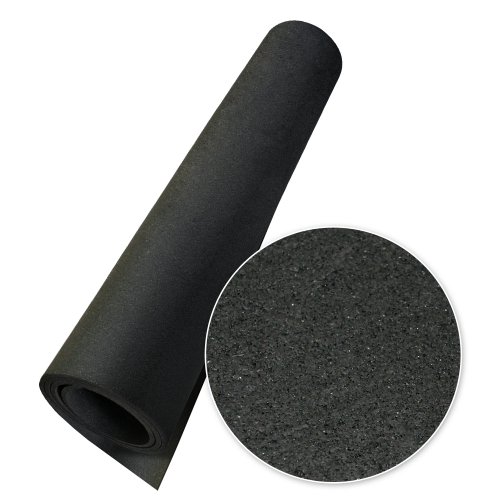
- 3/8-inch recycled rubber roll
- Built for indoor and outdoor demanding use
- DIY install with tape or adhesive
Best For: DIY gym or garage floors needing a thick rubber roll
Commercial Roll Pick
Flooring Inc Tough Rubber Mat Roll

- Made in the USA from recycled rubber
- Customizable roll for corners and edges
- Handles heavy equipment and moisture
Best For: Garages and gyms needing a customizable rubber roll
Outdoor-Friendly Budget Pick
Rubber-Cal Elephant Bark 3/16-inch
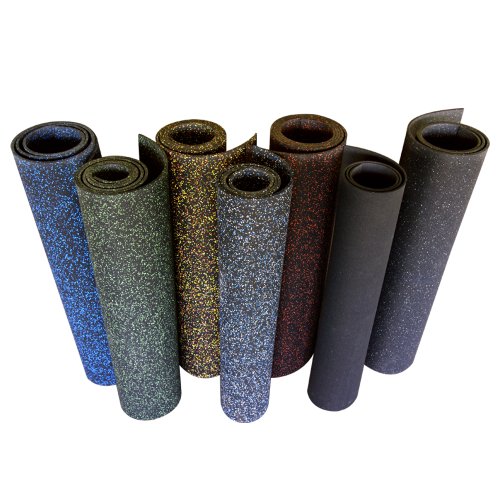
- UV- and water-resistant rubber roll
- Easy DIY install with no messy adhesive
- Provides impact protection and vibration reduction
Best For: Gyms and outdoor-adjacent spaces needing easy-install rubber flooring
Performance Pick
Baselayer ½ in TPE Interlocking Gym Tiles

- ½-inch TPE build with rubber-like, no-odor feel
- Firmer surface for heavy weights and high-impact training
- Flush interlocking fit with cord-management channels
Best For: Serious lifters needing stable, durable garage flooring
Heavy Load Choice
SUPERJARE Dual-Layer Rubber Top Flooring

- EVA foam base with EPDM rubber top for grip and support
- Helps reduce noise and vibration during workouts
- Interlocking tiles with detachable borders for easier layout
Best For: Home gyms needing cushioned floor protection for equipment and lifting
Flexible Floor Shield
AIRHOP 2-in-1 Rubber Top Gym Mats

- Textured rubber top with high-density EVA foam base
- Built for heavy machinery, weights, and mixed training
- Waterproof tiles with larger locks to help limit shifting
Best For: Versatile home gym spaces that need easy-clean floor protection
Big-Coverage Pick
SUPERJARE 30" x 30" Larger Rubber Top Mats
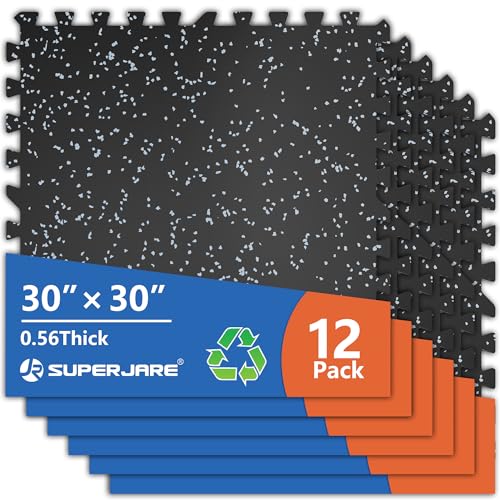
- 30.1" x 30.1" tiles cut down on seams
- Rubber top + EVA foam adds durability and cushioning
- Water-resistant, textured surface for easier cleaning
Best For: People who want wider coverage and a cleaner-looking gym floor
Heavy-Duty Garage Choice
AIRHOP 0.79in Rubber Top Gym Mats

- 0.79" thick tiles add extra cushioning and support
- Interlocking locks help prevent separation during use
- Made to handle heavy machinery and intense workouts
Best For: Garage gyms needing a thicker, more secure floor under heavy gear
Quiet Cushion Upgrade
SUPERJARE 0.79'' Extra-Thick Floor Tiles

- 0.79" thickness boosts cushioning and durability
- Rubber top and EVA foam support heavy equipment
- Interlocking design with removable borders simplifies setup
Best For: Users who want thicker flooring with better grip and noise control
Dual-Layer Grip Pick – SUPERJARE Rubber Top Exercise Mats
If you want heavy duty home gym flooring that can handle equipment, movement, and everyday training, this SUPERJARE set is built around a dual-layer construction. The EVA foam base adds cushioning while the EPDM rubber top improves grip, making it a practical choice for spaces where you need both floor protection and a steadier workout surface.
Best For: Home gyms that need a cushioned, grippy surface under weights and cardio equipment.
Pros:
- Dual-layer design combines high-density EVA foam with a rubber top for added durability.
- Rubber surface improves traction and helps reduce slipping during lifts and presses.
- Foam layer helps absorb shock, noise, and vibration during workouts.
- Interlocking tiles are easy to assemble, detach, and reshape for your layout.
Cons:
- Tile format may take more setup time than a single-roll floor.
- Designed for coverage and protection, not a fully rigid lifting platform.
This is a strong all-around pick if you want a quieter, more forgiving floor without giving up grip. The 96 sq ft coverage also makes it easier to outfit a garage or dedicated fitness room in one package.
Heavy-Duty Roll Option – Rubber-Cal Elephant Bark 3/8-inch Flooring
For heavy duty home gym flooring in a roll format, this Rubber-Cal Elephant Bark option is built for tough use indoors or outdoors. The 3/8-inch recycled rubber construction is meant to handle demanding conditions, and the rolled design makes it a straightforward DIY solution for garages, basements, and training areas.
Best For: DIY gym, garage, or basement installs that need a thick, wear-resistant rubber roll.
Pros:
- Thick 3/8-inch rubber is described as sturdy and wear resistant.
- Rolled flooring is simple to install with double-sided tape or adhesive.
- Made from recycled tires for an eco-friendly material choice.
- Works in gyms, garages, basements, and other demanding spaces.
Cons:
- Installation requires tape or adhesive for best results.
- Single-roll format may be less convenient for small, segmented spaces.
This roll makes sense if you want a durable, no-nonsense flooring layer that prioritizes resilience over cushioning extras. It is especially appealing for users who want a straightforward surface for hard-working rooms and equipment zones.
Commercial Roll Pick – Flooring Inc Tough Rubber Mat Roll
This heavy duty home gym flooring roll is aimed at people who want a customizable, commercial-style surface for training or utility spaces. Made in the USA from recycled rubber, it is designed to handle heavy equipment, weightlifting, and moisture-prone areas while still giving you a simple roll-out install.
Best For: Garages, home gyms, and utility spaces that need a customizable heavy-duty rubber roll.
Pros:
- Made in the USA from recycled rubber.
- Roll format is easy to trim around walls, corners, and objects.
- Built for heavy equipment, deadlifts, treadmills, and moisture resistance.
- Offers slip resistance and a padded surface for demanding areas.
Cons:
- At 1/4-inch thick, it is thinner than some heavier rubber flooring options.
- Hand-wash care is less convenient than simple wipe-clean maintenance.
If you want a flexible flooring roll that can adapt to odd-shaped rooms and still stand up to serious use, this is a strong candidate. It fits best where customization, grip, and durability matter more than maximum thickness.
Outdoor-Friendly Budget Pick – Rubber-Cal Elephant Bark 3/16-inch
For heavy duty home gym flooring that also works in exposed spaces, this 3/16-inch Rubber-Cal Elephant Bark roll emphasizes weather resistance and easy installation. It is positioned as a versatile recycled rubber floor for gyms, garages, basements, and outdoor areas where you want impact protection without a complicated install.
Best For: Home gyms, garages, and patios that need a durable, easy-to-install rubber floor.
Pros:
- UV and water resistance make it suitable for outdoor use.
- Provides impact protection and vibration reduction for gym settings.
- DIY installation does not require messy adhesive or installers.
- Recycled rubber construction supports multi-purpose use across rooms.
Cons:
- At 3/16-inch thick, it is thinner than heavier gym flooring rolls.
- Single-roll format may not be as quick to place as interlocking tiles.
This is a practical choice if you want one flooring solution that can move between gym and outdoor-adjacent applications. It is best viewed as a versatile, easy-care rubber layer rather than the thickest option in the lineup.
Performance Pick – Baselayer ½ in TPE Interlocking Gym Tiles
If you want heavy duty home gym flooring that feels more like performance rubber than soft foam, this Baselayer option is built for serious use. The ½-inch TPE construction is firmer, odor-free, and made to handle heavy weights, high-impact training, and everyday floor protection in a garage or training area.
Best For: Lifters and garage gym owners who want a durable, no-odor tile with a stable feel under heavy equipment.
Pros:
- Injection-molded TPE offers a rubber-like feel with no odor.
- Firmer density and shock-absorbing support suit weights and high-impact training.
- Precision interlocking tabs create a flush, stable fit with minimal gapping.
- Built-in cord channels help keep cables out of the way.
Cons:
- Edges and corners are sold separately.
- Coverage is 30 sq ft per pack, so larger rooms need multiple sets.
Overall, this is a practical pick if durability and a more premium underfoot feel matter more than plush cushioning. It’s easy to clean, resistant to wear and chemicals, and designed to stay put through demanding workouts.
Heavy Load Choice – SUPERJARE Dual-Layer Rubber Top Flooring
This heavy duty home gym flooring option combines a high-density EVA foam base with a rubber top for better grip and load support. It’s a strong fit if you want a cushioned surface that can handle exercise equipment, reduce noise, and still feel secure during lifts and floor work.
Best For: Home gym setups that need a grippy, cushioned tile for weights, cardio machines, and general workout protection.
Pros:
- Dual-layer design pairs high-density EVA foam with an EPDM rubber top.
- Rubber surface improves traction and grip for lifting movements.
- Foam layer helps absorb shock and reduce noise and vibration.
- Interlocking edges and detachable borders make setup easy.
Cons:
- Uses EVA foam in the base, so it is not all-rubber flooring.
- 48 sq ft coverage may still require extra packs for larger rooms.
For buyers who want a balance of protection, comfort, and stability, this is a versatile middle-ground choice. It’s especially appealing if your gym shares space with the rest of the house and you want to keep impact noise down.
Flexible Floor Shield – AIRHOP 2-in-1 Rubber Top Gym Mats
If you’re shopping for heavy duty home gym flooring that protects the floor without making setup difficult, this AIRHOP tile set is a flexible option. The textured rubber top and high-density EVA foam base are designed to provide a non-slip surface with shock absorption for workouts, equipment, and everyday home fitness use.
Best For: Home gym owners who want a versatile, easy-to-clean tile for machines, weights, and mixed training spaces.
Pros:
- Textured rubber top adds traction, while the EVA foam base helps absorb shock.
- Premium recycled rubber construction is made to support heavy machinery.
- Larger interlocking locks are designed to reduce shifting during use.
- Waterproof surface wipes clean easily with a damp cloth.
Cons:
- It’s still a hybrid design, not a full rubber floor system.
- Coverage is 48 sq ft per pack, so bigger spaces may need more sets.
This is a solid all-around choice if you need protection, flexibility, and easy maintenance in one package. It should work well for garages, basements, and home fitness rooms where you may move equipment or change layouts over time.
Big-Coverage Pick – SUPERJARE 30" x 30" Larger Rubber Top Mats
If you want heavy duty home gym flooring that covers more area with fewer seams, this SUPERJARE set is built for a cleaner, more secure layout. The 30.1″ x 30.1″ tiles and 0.56″ thickness make it a practical option for protecting floors under equipment while still giving you enough cushioning for daily training.
Best For: Home gym owners who want wider coverage, fewer seams, and a quieter workout surface.
Pros:
- Larger 30.1″ x 30.1″ tiles reduce seams and make installation faster.
- Dual-layer build combines a durable rubber top with EVA foam for strength and cushioning.
- Designed to absorb impact for weight drops, HIIT, jumping, yoga, and more.
- Textured, water-resistant surface is easier to wipe clean after sweaty sessions.
Cons:
- At 0.56″, it is not the thickest option in this roundup.
- Black/grey styling may be too plain if you want a more decorative look.
Overall, this is a strong pick if your priority is broad coverage with a stable, easy-to-manage layout. It balances cushioning, noise reduction, and floor protection well for a busy home gym.
Heavy-Duty Garage Choice – AIRHOP 0.79in Rubber Top Gym Mats
For heavy duty home gym flooring in a garage or multipurpose space, this AIRHOP set focuses on stability and protection. The 0.79-inch thickness, rubber top, and high-density EVA foam base are designed to handle intense workouts and support heavy machinery while helping reduce noise and vibration.
Best For: Garage gyms and workout spaces that need a thicker, more stable surface for heavy equipment.
Pros:
- 0.79″ thickness offers more cushion than thinner flooring options.
- Rubber top plus EVA foam base provides shock absorption and a non-slip feel.
- Upgraded interlocking locks help keep the tiles securely connected.
- Built to support heavy machinery and help protect floors from scratches and dents.
Cons:
- 48 sq ft coverage may be limiting for larger workout rooms.
- Black and white color scheme may not match every setup.
This is a sensible choice if you need flooring that feels sturdy under load and stays put during demanding sessions. It is especially appealing when equipment protection and garage durability matter most.
Quiet Cushion Upgrade – SUPERJARE 0.79'' Extra-Thick Floor Tiles
This SUPERJARE option is another strong take on heavy duty home gym flooring, with extra thickness and a durable rubber-and-foam build. At 0.79 inches thick, it is designed to support heavy exercise equipment, reduce vibration, and add grip without creating distracting rubber odor.
Best For: Home gyms that need extra thickness, strong floor protection, and a quieter training surface.
Pros:
- 0.79″ thickness adds durability and better impact absorption.
- EPDM rubber top and high-density EVA foam base are built for heavy equipment.
- Noise and vibration reduction can help keep workouts quieter.
- Interlocking edges and detachable borders make layout changes easier.
Cons:
- 48 sq ft coverage may be too small for bigger rooms.
- Tile format still requires assembly compared with a single-roll floor option.
As a flooring upgrade, this set stands out for combining thickness, grip, and quieter performance. It makes sense if you want a sturdy training area that works for both weights and cardio equipment.
How We Picked the Best Heavy Duty Home Gym Flooring
We focused on materials and designs that hold up under weights, cardio equipment, and frequent use. The best options in this group offer dependable density, better load distribution, strong traction, and practical coverage for home setups.
We also looked at odor level, edge fit, thickness options, and whether the flooring works better for full-room coverage or targeted equipment zones.
Quick Comparison: Which Style Fits Your Space?
Interlocking tiles are easiest if you want a flexible layout and simple installation. Rubber rolls are better for covering larger areas with fewer seams. Thicker foam-rubber hybrids can feel more forgiving underfoot, while denser rubber-style tiles are typically better for heavy equipment and weight training.
Key Buying Factors for Heavy Duty Home Gym Flooring
Thickness and Density
Thickness is important, but density matters just as much. For heavy lifting and equipment bases, denser materials usually resist compression better and stay more stable over time. Thicker flooring can improve comfort and impact absorption, but very soft materials may not be ideal for racks or deadlifts.
Coverage and Layout
Measure your equipment footprint before buying. If you need floor-to-wall coverage, rolls or larger tile systems can reduce seams. For a small lifting zone, puzzle tiles or modular mats are easier to install and replace.
Traction, Noise, and Odor
Good traction helps prevent slips during workouts and makes equipment feel more secure. Noise reduction is useful in apartments, garages, and shared homes. If smell is a concern, look for low-odor rubber or TPE-style materials rather than products that may off-gas more strongly when first installed.
Durability Under Equipment
For treadmills, bikes, racks, and benches, choose flooring designed to handle point loads and repeated compression. The best Heavy Duty Home Gym Flooring should protect the subfloor without tearing, denting too easily, or shifting under movement.
Who Should Buy Which Heavy Duty Home Gym Flooring?
If you lift heavy weights, prioritize dense rubber-style flooring or thicker hybrid tiles with strong load support. If you want a cleaner, more finished look for a multi-use room, consider interlocking tiles with a balanced thickness. If you are building a larger garage gym, a rubber roll may give you the most seamless coverage and best value per square foot.
For lighter training, stretching, and general equipment protection, medium-thickness options can be enough. For serious strength training, choose the most stable surface you can fit within your budget and space.