The best lifting straps help you keep hold of challenging weights when grip strength becomes the limiting factor. The right pair can improve comfort, reduce hand fatigue, and make heavy pulling sessions more consistent.
Our roundup includes padded cotton and neoprene straps, leather designs, D-ring styles, lifting hooks, and models with added grip features. Use the guide below to match construction, support, and ease of use to your training.
Best 10 Lifting Straps Picks for 2026
Best Padded Cotton Straps
Harbinger NeoTek Lifting Straps

- Padded NeoTek wrist cushion
- 21.5-inch multi-wrap length
- Wide, reinforced cotton construction
Best For: Comfort-focused deadlifts, rows, and general strength training
Best Leather Support
Double-Layer Leather Weightlifting Straps

- Double-layer leather construction
- Padded, adjustable wrist closure
- Designed for heavy pulling exercises
Best For: Lifters wanting substantial leather wrist support
Best D-Ring Design
MANUEKLEAR Cable Machine Lifting Straps

- Double steel D-ring closure
- Reinforced nylon with wrist padding
- Useful for cable and free-weight work
Best For: Adjustable cable-machine and pulling workouts
Best Classic Cotton Option
Gymreapers Padded Lifting Straps
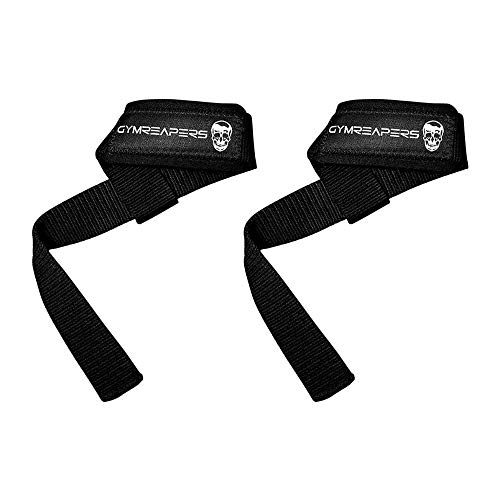
- Padded neoprene wrist support
- Extra-length cotton webbing
- Reinforced for repeated gym use
Best For: Deadlifts, rows, shrugs, and high-volume back training
Comfort-Focused Support
Ekkovision Cuffed D-Ring Lifting Straps

- Thick cushioning helps reduce wrist discomfort.
- Metal D-ring and reinforced stitching support a secure fit.
- Non-slip padding improves grip during varied lifts.
Best For: Comfort-minded lifters seeking padded wrist support
Adjustable Cotton Value
FITFIV Padded Wrist Lifting Straps

- 20.8-inch straps can wrap around bars two to three times.
- 4mm padding cushions wrists during heavy training.
- Designed for barbells, dumbbells, rows, and deadlifts.
Best For: Versatile gym training with padded wrist comfort
Heavy-Pull Assistance
Gymreapers Weight Lifting Hooks

- Hooks are rated up to 250 pounds per hook.
- Metal-coated hooks support repeated heavy training.
- Neoprene padding improves wrist comfort and stability.
Best For: Heavy deadlifts and pulling movements limited by grip fatigue
Comfort-Focused Pick

- Neoprene wrist padding
- Slip-resistant wrap design
- Works with multiple training implements
Best For: General gym workouts and strength training
Heavy-Duty Pick
Gymreapers GripLink Lifting Straps

- Silicone grip beads limit slippage
- Padded wrists with D-ring attachment
- Cotton webbing and reinforced stitching
Best For: Heavy pulling and cable-machine training
Adjustable Fit Pick
Fitgriff Padded Cotton Lifting Straps

- Dense cotton with neoprene padding
- Approximately 23-inch wrap length
- Size and grip-style options
Best For: Versatile deadlift, row, and pulldown training
Best Padded Cotton Straps – Harbinger NeoTek Lifting Straps
These Harbinger lifting straps combine a wide cotton build with cushioned NeoTek wrist padding. Their 21.5-inch length allows multiple wraps around barbells, dumbbells, and kettlebells, making them a practical option for heavy pulling movements and high-repetition training.
Best For: Lifters who want padded wrist comfort, a longer wrap, and a versatile strap for deadlifts, rows, shrugs, and pull-ups.
Pros:
- NeoTek padding helps reduce wrist pressure and friction.
- Extended 21.5-inch length supports a secure multi-wrap grip.
- Wide 1.5-inch cotton straps increase surface contact.
- Reinforced edges and double stitching support repeated use.
Cons:
- Cotton may not offer the same feel as leather or synthetic webbing.
- The longer length can take more time to wrap securely.
Choose these if wrist comfort and wrap length matter more than having a compact strap. They are lightweight, sold as a pair, and suited to general strength training.
Best Leather Support – Double-Layer Leather Weightlifting Straps
These leather lifting straps are designed for lifters who want a supportive, padded setup for heavier pulling work. Double-layer leather, a neoprene wrist pad, and an adjustable hook-and-loop closure provide a structured fit for deadlifts, rows, shrugs, and other strength exercises.
Best For: Lifters seeking leather straps with substantial wrist padding and an adjustable fit for 6.3- to 8-inch wrist circumferences.
Pros:
- Double-layer leather is built for durability and grip support.
- Neoprene padding helps cushion the wrist against pressure.
- Adjustable hook-and-loop closure makes them easy to put on and remove.
- Included pair is rated in the notes for resistance up to 480 pounds.
Cons:
- The stated fit range may not suit wrists outside 6.3 to 8 inches.
- At 7.84 ounces per pair, they are heavier than lightweight cotton options.
The leather construction and padded closure make this a more substantial choice for demanding workouts. Check the wrist measurements carefully before buying, especially if you prefer a close fit.
Best D-Ring Design – MANUEKLEAR Cable Machine Lifting Straps
These MANUEKLEAR lifting straps use double steel D-rings, reinforced nylon webbing, and integrated wrist padding to create a secure connection for cable and free-weight exercises. The design is aimed at users who want a straightforward, adjustable strap for home or commercial gym training.
Best For: Men and women who want double D-ring straps for cable machines, rows, deadlifts, pull-ups, and other pulling movements.
Pros:
- Double D-rings are designed to help keep the straps securely locked.
- Reinforced nylon webbing supports repeated training use.
- Thickened wrist padding helps reduce bruising and irritation.
- Non-slip webbing and textured grip support sweaty workouts.
Cons:
- The listed M fit is intended for 6.3- to 7.5-inch wrists.
- The D-ring design may feel less minimal than a simple loop strap.
This is a useful pick if adjustability and a locking D-ring setup are priorities. Confirm the stated wrist range and note that the product is particularly suited to cable-machine work as well as general pulling exercises.
Best Classic Cotton Option – Gymreapers Padded Lifting Straps
Gymreapers’ lifting straps pair durable cotton webbing with neoprene wrist padding to help reduce grip fatigue during demanding pulling sessions. The extra-length design supports multiple wraps around barbells, dumbbells, and cable attachments while keeping the setup relatively lightweight.
Best For: Bodybuilders, powerlifters, and strength trainees whose grip gives out before their back, traps, or lats.
Pros:
- Neoprene padding helps prevent digging, pinching, and irritation.
- Extra length allows multiple wraps around different attachments.
- Cotton webbing is designed for reliable grip and daily gym use.
- Reinforced stitching supports long-term durability.
Cons:
- Cotton straps may require more wrapping technique than hook-style designs.
- The one-size format offers less specific wrist adjustment.
This classic design is a practical choice for lifters who want to shift limiting grip fatigue back to the target muscles. Its padded wrist area and versatile length make it suitable for both heavy and high-volume pulling work.
Comfort-Focused Support – Ekkovision Cuffed D-Ring Lifting Straps
These Ekkovision lifting straps combine thick cushioning, a metal D-ring, and non-slip rubber padding for a secure, comfortable setup during weightlifting and gym training. The adjustable design is intended to fit a range of wrist sizes and support both men and women.
Best For: Lifters who want padded wrist support and enhanced grip for deadlifts, powerlifting, and general gym workouts.
Pros:
- Thick, cushioned material helps reduce bruising and discomfort.
- Heavy-duty stitching and a durable metal D-ring support a secure fit.
- Non-slip rubber padding helps maintain grip on weights and equipment.
- Versatile enough for powerlifting, deadlifts, and general fitness routines.
Cons:
- The listing identifies a single item or pack, so it may be less convenient than a clearly specified pair.
- The cotton construction may not provide the same feel as synthetic strap materials.
Choose these straps if comfort and wrist support matter as much as grip assistance. Their padded, adjustable construction makes them a practical option for varied training, though shoppers should confirm the pack configuration before ordering.
Adjustable Cotton Value – FITFIV Padded Wrist Lifting Straps
FITFIV lifting straps use 20.8-inch cotton straps with 4mm chloroprene padding to help distribute load and reduce grip fatigue. Their length is designed to wrap around a barbell two to three times, making them suitable for several strength-training movements.
Best For: Lifters wanting padded cotton straps for deadlifts, rows, barbells, dumbbells, and other gym exercises.
Pros:
- 20.8-inch length accommodates multiple wraps around a barbell.
- 4mm neoprene-style padding cushions the wrists during intense sessions.
- High-density cotton construction is designed for durability.
- Useful across deadlifts, rows, kettlebell swings, barbells, and dumbbells.
Cons:
- The relatively long straps may require extra adjustment for some users.
- Cotton can absorb moisture during demanding workouts.
This pair is a straightforward choice for athletes who want padded, adjustable lifting straps at a practical length. The broad exercise compatibility is useful for a general gym bag, while the 4mm padding prioritizes wrist comfort.
Heavy-Pull Assistance – Gymreapers Weight Lifting Hooks
Gymreapers lifting hooks offer a different approach to lifting straps by using metal-coated hooks to connect with barbells, dumbbells, and machines. The pair is designed to reduce grip fatigue during deadlifts, pull-ups, shrugs, rows, and other pulling movements.
Best For: Athletes who want to offload grip demands and focus on heavier pulling exercises.
Pros:
- Hooks are rated for up to 250 pounds per hook according to the supplied notes.
- Metal-coated construction is designed to resist wear and bending.
- Neoprene-padded wrist straps help reduce digging and pressure.
- Adjustable, one-size design supports a locked-in fit for different athletes.
Cons:
- Hooks provide a different lifting feel from conventional fabric straps.
- They are primarily suited to pulling movements rather than all-purpose lifting.
- The metal and nylon construction weighs more than lightweight cotton straps.
These hooks make sense for lifters whose grip gives out before their back, traps, glutes, or other target muscles. They can support heavy pulling work effectively, but users who prefer direct hand-to-bar contact may favor traditional lifting straps instead.
Comfort-Focused Pick – WSAKOUE Padded Lifting Straps
These WSAKOUE lifting straps are a practical option for weightlifters who want padded wrist support during deadlifts, shrugs, rows, pull-ups, and other pulling movements. The neoprene material and slip-resistant design are intended to help improve comfort and control while training.
Best For: Lifters seeking lightweight, padded straps for general gym workouts and strength training.
Pros:
- Padded neoprene material helps cushion the wrists.
- Slip-resistant straps are designed to wrap on and off easily.
- Suitable for barbells, dumbbells, kettlebells, and other fitness equipment.
Cons:
- The supplied details do not specify a strap length or size range.
- Only one item is included.
At 3.2 ounces, these lifting straps are easy to keep in a gym bag. They fit best for general-purpose training rather than shoppers specifically seeking a detailed sizing system or specialized hardware.
Heavy-Duty Pick – Gymreapers GripLink Lifting Straps
Gymreapers GripLink lifting straps are built for heavier pulling sessions where grip fatigue can become a limitation. Their silicone grip beads, padded wrists, and reinforced D-ring support deadlifts, rows, cable work, and other gym movements.
Best For: Lifters who want padded straps with added grip and cable-machine versatility.
Pros:
- Silicone beads help reduce slippage on bars and cable attachments.
- Seven-millimeter foam padding cushions and supports the wrists.
- Five-millimeter steel D-rings connect to cable machines.
- Heavy-duty cotton webbing and reinforced stitching are designed for durability.
Cons:
- The 14.5-inch strap length may not suit every wrapping preference.
- The design includes more hardware than a basic traditional strap.
With a two-item set and features aimed at both free weights and cable machines, GripLink is the most versatile choice in this group. It is particularly appealing if secure attachment and wrist cushioning matter as much as simple bar support.
Adjustable Fit Pick – Fitgriff Padded Cotton Lifting Straps
Fitgriff lifting straps combine dense cotton construction with neoprene wrist padding for deadlifts, rows, lat pulldowns, and pull-ups. Their approximately 23-inch length allows two to three wraps around a bar, while left-and-right markings make setup more straightforward.
Best For: Men and women who want cotton lifting straps with size options and a choice of traditional or extra-grip styles.
Pros:
- Dense cotton is designed for durability during repeated training.
- Neoprene padding helps reduce skin irritation and discomfort.
- Approximately 23 inches long for two to three bar wraps.
- Available in two size options and traditional or extra-grip versions.
Cons:
- The listed configuration is the Sand (Grip) style and standard size.
- Only one item is included in the supplied details.
These lifting straps are a strong fit for shoppers who care about setup consistency and fit flexibility. The left/right markings and multiple wrap length make them a practical everyday option for pulling-focused workouts.
How We Picked the Best Lifting Straps
We focused on the features that matter during real pulling workouts: material durability, wrist padding, strap length, adjustability, grip security, and ease of setup. The selection covers common use cases including deadlifts, rows, shrugs, cable work, bodybuilding, powerlifting, and general gym training.
We also considered design differences rather than treating every strap as interchangeable. Traditional loop straps provide versatile control, while D-ring models are often faster to put on. Hooks and anti-slip elements can reduce the grip required, but they may feel less natural for certain lifts.
Quick Comparison
| Style | Best For | Main Advantage | Potential Trade-Off |
|---|---|---|---|
| Cotton or neoprene loop | General lifting | Versatile and comfortable | Requires wrapping practice |
| Leather | Heavy deadlifts | Strong, firm support | May need break-in time |
| D-ring | Fast setup | Simple adjustment | Can feel bulkier at the wrist |
| Hooks | Grip-limited pulls | Reduces hand demand | Less direct bar contact |
Key Buying Factors for Lifting Straps
Material and Durability
Cotton is flexible and usually comfortable for everyday training. Neoprene adds cushioning and can help prevent the strap from digging into the wrist. Leather offers a firmer, durable feel for users who regularly train with heavy loads.
Padding and Wrist Support
Look for adequate padding if you perform high-volume pulling or dislike narrow straps pressing into the wrist. More padding is not always better, however, because excessive bulk can interfere with positioning.
Length, Width, and Adjustment
Longer straps allow more wraps around a bar and can provide extra security, while shorter straps are quicker to manage. Check the listed dimensions and closure style to ensure they fit your hands and preferred lifting technique.
Grip Style and Intended Lifts
Choose standard loops for versatile barbell and dumbbell work. D-rings suit quick transitions and cable machines, while hooks or silicone grip features may help when hand fatigue consistently limits deadlifts, rows, or shrugs.
Who Should Buy Which Lifting Straps?
Beginners and general gym users will usually do best with padded cotton or neoprene loop straps that are forgiving and versatile. Powerlifters and heavy deadlifters may prefer sturdy leather or thick, reinforced designs. If fast setup matters, consider a D-ring model. Lifters with persistent grip limitations may benefit from hooks, provided the design matches their exercise technique.
Whichever style you choose, practice wrapping and releasing the straps with light weights first. They should support your grip without masking unsafe form, and they should be inspected regularly for fraying, stretched stitching, or damaged hardware.