Choosing the right posture correction stretching device can make a real difference in comfort, mobility, and daily alignment. The best options support your neck, shoulders, and upper back without feeling overly restrictive.
Below, we focus on the features that matter most so you can match the right device to your goals, space, and routine.
Best 10 Posture Correction Stretching Device Picks for 2026
Lower Back Decompression Pick
Everlasting Comfort Lumbar Support Board
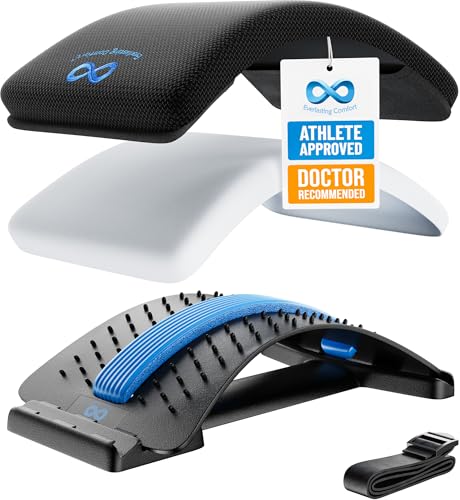
- Three angle settings for adjustable stretching
- 88 acupressure nodes for targeted pressure
- Supports up to 350 lbs with a reinforced frame
Best For: People seeking a manual lower-back stretcher with acupressure support
Smart Habit Tracker Pick
Upright GO 2 Premium Posture Trainer

- Gentle vibrations remind you when you slouch
- App tracks posture progress over time
- Compact wearable with about 30 hours of battery
Best For: Adults who want posture reminders and app-based tracking
Portable Neck Decompression Choice

- Inflatable design adjusts to your comfort level
- Contoured shape supports cervical alignment
- Deflates easily for travel or office use
Best For: People needing portable neck traction and daily cervical relief
Wearable Reminder Bundle
Upright GO 2 with Magnetic Necklace

- Includes GO 2 trainer plus magnetic necklace
- Biofeedback reminders reinforce posture habits
- Adjustable wearable for back and neck awareness
Best For: Users who want the GO 2 with a magnetic necklace accessory
Firm Cervical Traction Block

- 3-height adjustable neck support
- Firm EVA foam with contour design
- Targets posture, shoulders, and cervical alignment
Best For: Adults seeking a compact neck-focused traction block for short daily stretching
Adjustable Full-Back Posture Brace
Adjustable Lumbar Posture Corrector

- 3-in-1 support for back, chest, and shoulders
- Breathable mesh with adjustable straps
- Removable support strip and storage bag
Best For: People wanting a wearable brace for posture support and lumbar comfort
Wave Cervical Relaxer Pillow

- Wave shape supports cervical traction
- Portable and simple for flat-surface use
- Medium firmness for short daily sessions
Best For: Adults wanting a simple foam neck stretcher for brief traction and alignment
Comfort-Focused Posture Support
ComfyBrace Posture Corrector for Men and Women

- Breathable, adjustable posture brace
- Targets back, neck, shoulder, and clavicle pressure
- Includes lifetime warranty and gradual wear guidance
Best For: Adults wanting everyday posture support
Portable Neck Strength Trainer

- Lightweight design for home, gym, or travel
- Supports neck strength and posture improvement
- Includes resistance band, bag, and manual
Best For: People who want compact neck training support
Over-the-Door Traction System
DMI Cervical Neck Traction Device

- Tool-free over-the-door setup
- Adjustable 2-20 lb traction range
- Padded chin support for neck stretching
Best For: At-home cervical traction and PT routines
Lower Back Decompression Pick – Everlasting Comfort Lumbar Support Board
If you want a posture correction stretching device that focuses on the lower back, this lumbar support board is built for gentle decompression at home or at the office. The adjustable angles and acupressure nodes make it a practical option for people looking to loosen tight muscles, reduce lumbar pressure, and stretch more comfortably.
Best For: Users who want a manual lower-back stretcher with adjustable intensity and acupressure support.
Pros:
- Three angle settings let you choose a milder or deeper stretch.
- 88 acupressure nodes add targeted pressure points for tension relief.
- Reinforced frame supports up to 350 lbs for sturdy everyday use.
- Chair strap design makes it easier to use as a posture support device at home or work.
Cons:
- Manual design means it does not offer powered traction or app-based feedback.
- Focused mainly on the lower back rather than full-spine posture training.
- The firm board style may feel intense for users who prefer softer support.
This is a straightforward back-stretching tool for buyers who want adjustable decompression rather than a tech-heavy trainer. If your main goal is to ease lower-back tension and support posture improvement, it offers a simple, targeted approach.
Smart Habit Tracker Pick – Upright GO 2 Premium Posture Trainer
Upright GO 2 Premium | Posture Trainer & Tracker for Women & Men with Smart App
Check Price On AmazonFor shoppers who want a posture correction stretching device alternative that uses reminders instead of stretching hardware, Upright GO 2 is a compact wearable that nudges you when you slouch. It pairs with a mobile app to track posture habits over time, making it a strong choice for building awareness throughout the day.
Best For: Adults who want vibration-based posture reminders and app tracking to build better habits.
Pros:
- Gentle vibrating alerts help you notice slouching in real time.
- App tracking lets you monitor progress and personalize your training program.
- Very small, lightweight design is easy to wear during the day.
- Long battery life of about 30 hours reduces frequent charging.
Cons:
- Requires a compatible iOS or Android smartphone for full functionality.
- It is a reminder device, not a stretching or traction tool.
- Adhesive or necklace setup may not suit every user preference.
This device is best if you want feedback and accountability more than physical decompression. It’s a practical choice for turning posture awareness into a daily habit.
Portable Neck Decompression Choice – Cervical Neck Traction Device
If your priority is neck relief, this inflatable posture correction stretching device is designed to gently stretch the cervical spine and ease stiffness. The contoured shape, adjustable straps, and travel-friendly build make it a convenient pick for home, office, or on-the-go use.
Best For: People looking for a portable inflatable neck traction pillow for daily cervical decompression.
Pros:
- Inflatable design lets you adjust the stretch to your comfort level.
- Contoured height and chin support are built for ergonomic neck alignment.
- Deflates for easy packing, which is useful for travel or office use.
- Triple-seal construction is designed to help maintain steady pressure.
Cons:
- Designed for the neck only, so it won’t address lower-back posture needs.
- Requires inflation before use, which adds a small setup step.
- May feel too specialized if you want a full-body posture solution.
This is a focused neck decompression tool for users who want something simple, portable, and easy to use daily. It makes the most sense if neck stiffness and tech-neck relief are your main concerns.
Wearable Reminder Bundle – Upright GO 2 with Magnetic Necklace
This bundle is a practical posture correction stretching device alternative for people who want wearable feedback plus a more flexible wearing option. The GO 2 trainer provides vibration-based reminders, while the magnetic necklace gives you another way to wear the device comfortably during daily routines.
Best For: Users who want Upright GO 2 with an included magnetic necklace for added wearing flexibility.
Pros:
- Includes the GO 2 posture trainer and a black magnetic necklace.
- Biofeedback reminders help reinforce better posture habits.
- Adjustable setup supports use for back and neck posture awareness.
- Simple wearable format is suited to walking and everyday movement.
Cons:
- Does not provide stretching or decompression like a brace or traction device.
- Relies on the companion posture training approach rather than physical support.
- Best value depends on whether you want the necklace accessory included.
Choose this if you want the same habit-building posture tech as the GO 2, but prefer the convenience of a magnetic necklace in the bundle. It’s less about stretching muscles and more about helping you stay aware of alignment throughout the day.
Firm Cervical Traction Block – Firm Cervical Neck Stretcher
If you want a posture correction stretching device focused on the neck and upper shoulders, this cervical traction block is built for short daily sessions and simple home use. Its firm EVA foam shape is designed to support different placements along the cervical spine, with a gentle stretch that may help with forward head posture, neck tension, and shoulder discomfort.
Best For: Adults who want a firm, portable neck stretcher for posture support and daily decompression.
Pros:
- 3-height adjustable design for different stretch positions.
- Firm, durable closed-cell EVA foam construction.
- Made to support neck, shoulders, and cervical spine alignment.
- FSA/HSA eligible for qualified buyers.
Cons:
- Firm feel may be too intense for users wanting a softer stretch.
- Focused on the neck area rather than full-back support.
- Best suited to short, scheduled sessions rather than all-day use.
This is a practical option if your main goal is targeted cervical traction rather than a wearable brace. The design emphasizes neck alignment, posture support, and simple at-home stretching in a compact format.
Adjustable Full-Back Posture Brace – Adjustable Lumbar Posture Corrector
For shoppers comparing a posture correction stretching device that works more like a support brace, this full-back design aims to straighten the back, chest, and shoulders while remaining breathable enough for regular wear. It is positioned for people dealing with posture issues and related discomfort, with adjustable straps and a removable support strip for dialing in the fit.
Best For: Users who want a wearable back brace for posture support, lumbar stability, and everyday comfort.
Pros:
- 3-in-1 support for back, chest, and shoulders.
- High-elastic support strip and adjustable shoulder straps.
- Breathable mesh cloth helps with all-day wear.
- Includes a storage bag for small items.
Cons:
- Requires careful sizing based on waist measurement.
- More of a support brace than a true stretching device.
- Hand wash only care may be less convenient.
This brace makes sense if you want posture help during the day instead of a floor-based stretch tool. Its main strengths are adjustability, back support, and breathable construction for practical everyday use.
Wave Cervical Relaxer Pillow – Wave Neck Traction Device
If you are looking for a posture correction stretching device aimed at neck relief, this cervical relaxer uses a wave-shaped foam design to support traction while you lie down. It is intended for short sessions on a flat surface and is described as a simple way to help reduce spinal pressure, support cervical alignment, and ease stiff neck discomfort.
Best For: Adults who want a portable foam neck stretcher for brief daily traction sessions.
Pros:
- Ergonomic wave shape follows the cervical spine.
- Portable and easy to use on floors, mats, or other flat surfaces.
- Designed for 10-minute sessions and short daily use.
- Medium firmness offers a balanced traction feel.
Cons:
- Not intended to be used as an ordinary pillow overnight.
- May feel uncomfortable at first for some users.
- Requires careful use and limited session time.
Overall, this is a straightforward neck traction option for people who want a compact, no-frills stretch tool. Its strengths are simplicity, portability, and a shape that is built around cervical support rather than general lounging.
Comfort-Focused Posture Support – ComfyBrace Posture Corrector for Men and Women
If you’re looking for a posture correction stretching device that leans more toward daily support than intense stretching, the ComfyBrace posture corrector is built to help align your shoulders and upper back during work, standing, or walking. Its adjustable, breathable design is meant for gradual use, starting just a few minutes a day and building up over time.
Best For: Adults who want a lightweight posture brace for everyday posture awareness and upper-back support.
Pros:
- Adjustable and breathable for wear under clothing
- Designed to help relieve back, neck, shoulder, and clavicle pressure
- Gradual wear schedule can help you build posture habits over time
- Durable stitching with a lifetime warranty
Cons:
- Not intended to replace medical or surgical treatment
- Hand wash only
- Support-focused design may not suit users wanting a true traction-style stretcher
Overall, this is a straightforward posture brace for users who want a comfortable, everyday reminder to stand taller. It emphasizes fit, breathability, and long-term wearability more than advanced stretching features.
Portable Neck Strength Trainer – Portable Neck Exercise Device
This posture correction stretching device is aimed at neck work rather than a full-back brace, making it a practical option if you want to train the neck, ease tech-neck discomfort, or support rehab-style routines. The lightweight build and included resistance band make it easy to use at home, in the gym, or while traveling.
Best For: Users who want a compact neck-strengthening tool for portability, rehab, or athletic training.
Pros:
- Lightweight and portable for home, gym, or travel use
- Useful for neck strengthening, posture improvement, and tech-neck relief
- Includes a carrying mesh bag and instruction manual
- Built with premium materials and made in the USA
Cons:
- Only one resistance level is listed
- Focuses on the neck, not full upper-back posture support
- May be more specialized than buyers want for general posture correction
For people who want a portable neck-focused trainer, this device offers a simple setup and a more active approach than a standard brace. It makes the most sense if your priority is neck strength and targeted support rather than broad back alignment.
Over-the-Door Traction System – DMI Cervical Neck Traction Device
If you need a posture correction stretching device with a more therapeutic stretch, this over-the-door cervical traction system is designed for gentle neck elongation and spinal pressure relief. It is set up for home physical therapy use and includes the hardware needed to create an adjustable traction routine.
Best For: People seeking at-home cervical traction for neck stiffness, back discomfort, or physical therapy routines.
Pros:
- Easy over-the-door setup with no tools required
- Adjustable traction system with 2-20 pound water bag scale
- Soft, padded chin cover with hook-and-loop adjustment
- Designed for home PT exercises and portable use
Cons:
- More specialized than a simple posture brace
- Requires door setup and assembly of multiple parts
- Best suited to users comfortable with traction-style stretching
This is the most therapy-oriented option in the group, especially if your goal is gentle cervical stretching rather than all-day posture correction. It stands out for adjustability and a more clinical approach to neck and upper-spine relief.
How We Picked the Best Posture Correction Stretching Device
We looked for a balanced mix of support, adjustability, comfort, and practical use cases. For a Posture Correction Stretching Device, the best choices tend to be easy to set up, suitable for regular sessions, and designed to help with posture awareness or gentle decompression rather than aggressive force.
We also considered portability, build quality, and whether the design fits different body types and comfort preferences.
Quick Comparison
Some products are better for active posture training and habit-building, while others focus more on passive stretching, traction, or back support. If you want everyday reminder-based correction, a wearable trainer may suit you. If you want relief-focused stretching, a neck traction or decompression-style device may be a better fit.
Key Buying Factors for a Posture Correction Stretching Device
Type of Support
Decide whether you need active posture feedback, a bracing support, or a stretching/traction device. These solve different problems, and the best choice depends on whether you want to improve posture habits, relieve tension, or both.
Comfort and Fit
Look for adjustable straps, padded contact points, and materials that won’t dig into the shoulders or neck. A device that is uncomfortable will be used less often, which reduces its value.
Intensity and Adjustability
Gentle progression is usually better than extreme stretching. Choose a device that lets you control tension, angle, or session length so you can build tolerance safely.
Use Environment
Think about where you’ll use it most. A compact wearable is best for work or travel, while a larger over-the-door or floor-based stretcher may be better for home routines.
Support Goals
If your main goal is posture awareness, a tracker or brace can help. If you want to address tightness in the neck or upper back, a traction-oriented Posture Correction Stretching Device may be more appropriate.
Who Should Buy Which Posture Correction Stretching Device?
Buy a posture trainer or tracker if you want real-time reminders and habit correction during the day. Choose a brace or support board if you prefer passive posture assistance and extra stability. Pick a cervical traction or neck stretcher if your priority is decompression, tension relief, or gentle stretching in a structured routine.
If you are unsure, start with the most comfortable and adjustable option, especially if you plan to use it regularly. The best product is the one you can use consistently and safely.