Interval training is easier to execute when your pace and distance data respond quickly—especially on a treadmill, track, or route with unreliable GPS. The right foot pod or running sensor can provide more consistent feedback, while interval timers and smart-training accessories add useful workout control.
This roundup compares 10 options, from dedicated running-dynamics sensors and indoor tracking tools to simple interval timers and pedometers. Use the guide below to match features, compatibility, and data accuracy to the way you train.
Best 10 Running Foot Pods for Interval Training Picks for 2026
Best Overall Garmin Foot Pod
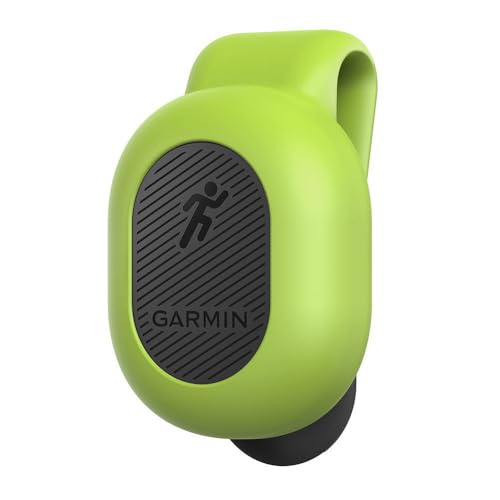
- Six running-dynamics metrics
- Up to one-year replaceable battery
- Automatic on/off operation
Best For: Garmin users training with structured intervals
Best Legacy Nike Sensor

- Tracks time, distance, and pace
- Works with compatible Nike+ shoes
- Supports challenges and mapped runs
Best For: Existing Nike+ users with compatible older devices
Best Compact Suunto Pod
Running Foot POD Speed & Distance

- Wireless speed and distance accessory
- Designed for three Suunto watch models
- Lightweight, reduced-volume design
Best For: Suunto t3c, t4c, or t6c owners
Best Nike+ Starter Kit

- Measures pace, distance, and elapsed time
- Supports Nike + iPod linking
- Designed for older Apple devices
Best For: Legacy Nike + iPod users with supported hardware
Best Overall Running Metrics
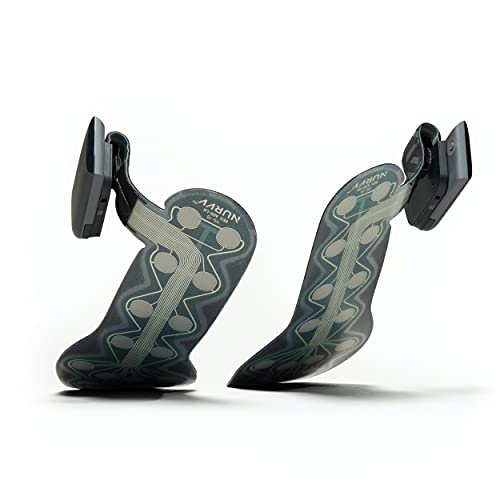
- Tracks form, pace, distance, and cadence
- Includes real-time app coaching
- Works with major running platforms and watches
Best For: Runners wanting detailed gait feedback during interval sessions
Best Simple Interval Timer

- Runs repeating one- or two-interval programs
- Uses chime or vibration alerts
- Compact and clip-on for workouts
Best For: Runners who only need timed work-rest intervals
Best for Indoor Pace Accuracy

- Delivers responsive pace to COROS watches
- Tracks treadmill and indoor-track distance
- Helps during hills and GPS disruptions
Best For: COROS users performing pace-based indoor intervals
Outdoor Interval Pick

- Repeats one or two programmable intervals
- Loud beep or vibration alerts
- Includes belt clip and watch strap
Best For: Outdoor runners wanting straightforward interval cues
Smart Treadmill Pick
Runn Retrofit Treadmill Sensor

- Broadcasts speed, incline, and cadence
- Uses Bluetooth and ANT+ connectivity
- Up to 15 hours of battery life
Best For: Indoor runners connecting a traditional treadmill to apps
Simple Tracking Pick

- Tracks up to 99,999 steps
- Large LCD includes time display
- Clip and lanyard provide carrying options
Best For: Users wanting simple, app-free step tracking
Best Overall Garmin Foot Pod – Running Dynamics Pod
For runners comparing running foot pods for interval training, the Garmin Running Dynamics Pod is the most metrics-focused option here. It sends six running-dynamics metrics to compatible Garmin devices, and its automatic on/off operation keeps setup simple between repeats.
Best For: Garmin users who want detailed running-dynamics data during structured workouts.
Pros:
- Computes and sends six running-dynamics metrics.
- Replaceable battery lasts up to one year with one hour of daily use.
- Automatically turns on and off.
- Waterproof and lightweight at 1.6 ounces.
Cons:
- Requires a compatible Garmin device.
- Its value is limited if you only need basic pace or distance data.
This is the strongest choice for runners already using a supported Garmin watch. Confirm device compatibility before buying, since the pod is designed around Garmin’s ecosystem.
Best Legacy Nike Sensor – Nike+ Standalone Sensor
The Nike+ Standalone Sensor is a compact option for runners seeking basic tracking from a Nike+ setup. It records time, distance, pace, and more, while also supporting challenges, mapped runs, and social connections through compatible equipment.
Best For: Runners with compatible Nike+ shoes or older Nike+ devices who want straightforward run tracking.
Pros:
- Tracks time, distance, and pace.
- Works with most Nike+ compatible shoes.
- Compatible with smartphones and listed iPod devices.
- Supports challenges, mapped runs, and friend connections.
Cons:
- Compatibility depends on Nike+ equipment.
- The supplied notes do not specify current software-update support.
This sensor makes sense mainly for users maintaining an existing Nike+ setup. Check your phone, iPod, and shoe compatibility carefully before relying on it for interval workouts.
Best Compact Suunto Pod – Running Foot POD Speed & Distance
The Suunto Running Foot POD Speed & Distance is a lightweight wireless accessory for compatible Suunto watches. For runners considering running foot pods for interval training, its focus on speed and distance makes it a straightforward choice for users who already own a Suunto t3c, t4c, or t6c.
Best For: Suunto watch owners who need a small wireless speed-and-distance accessory.
Pros:
- Provides speed and distance functionality.
- Wireless enhancement for Suunto t3c, t4c, and t6c watches.
- Nearly half the volume of its predecessor.
- Lightweight design at 4 ounces.
Cons:
- Compatibility is limited to the listed Suunto watch models.
- It offers less detailed metric information than a running-dynamics pod.
This is a sensible fit for a compatible Suunto setup, especially if compact size matters. Verify that your watch is one of the supported models before purchase.
Best Nike+ Starter Kit – Nike+ Stand Alone Sensor Kit
The Nike+ Stand Alone Sensor Kit is an older Nike+ tracking solution for measuring pace, distance, elapsed time, and calories burned. It can suit runners using legacy Nike + iPod hardware, but device compatibility is the key consideration when choosing it for running foot pods for interval training.
Best For: Users with supported older iPhone or iPod touch hardware and an existing Nike + iPod setup.
Pros:
- Measures pace, distance, elapsed time, and calories burned.
- Supports Nike + iPod activation and linking.
- Includes troubleshooting guidance for waking and linking the sensor.
- Compatible with listed older iPhone and iPod touch models.
Cons:
- Not compatible with iPhone 6 and newer devices.
- Not supported on devices using iOS 9.0 or higher.
- Requires legacy Nike + iPod hardware and software.
Choose this kit only if your existing Apple hardware matches the supported requirements. For most modern phones, the stated compatibility limitations make it a specialized legacy option rather than a general-purpose training pod.
Best Overall Running Metrics – Run Smart Insoles
For runners seeking running foot pods for interval training, these connected insoles provide detailed feedback beyond basic pace and distance. The NURVV app offers real-time coaching for indoor and outdoor runs while the insoles track form-related metrics such as cadence, footstrike, pronation, balance, and step length.
Best For: Runners who want coaching and detailed gait data to refine interval-session technique.
Pros:
- Tracks pace, distance, time, calories, cadence, footstrike, pronation, balance, and step length.
- Offers real-time guidance through the NURVV coaching app.
- Uses two insoles with 32 precision sensors and built-in GPS.
- Compatible with iOS, Android, Garmin, Apple Watch, heart-rate monitors, Strava, and Apple Health.
Cons:
- Requires wearing connected insoles rather than using a compact clip-on pod.
- App and device compatibility may add setup complexity.
- The listed medium size may not suit every foot.
This is the most comprehensive option for analyzing running mechanics during intervals, especially if injury-prevention insights and coaching matter as much as pace tracking.
Best Simple Interval Timer – Gymboss Interval Timer
The Gymboss is not a foot-mounted running sensor, but it is a practical companion for runners comparing running foot pods for interval training. Its programmable timer can alternate between one or two intervals, repeat up to 99 times, and notify you with a chime or vibration.
Best For: Runners who need straightforward interval timing without pace or distance data.
Pros:
- Programs one or two intervals from two seconds to 99 minutes.
- Repeats intervals automatically up to 99 times.
- Provides both chime and vibration alerts with adjustable alarm duration.
- Compact, sweat- and impact-resistant, with a removable belt clip.
Cons:
- Does not measure foot movement, pace, distance, or running form.
- AAA battery is required and not included.
- It is a general interval timer rather than a running foot pod.
Choose this only if your priority is reliable work-rest timing. It can structure repeats effectively, but it cannot provide the running metrics or sensor data offered by dedicated pods.
Best for Indoor Pace Accuracy – COROS POD 2
The COROS POD 2 is a focused choice among running foot pods for interval training, particularly for treadmill and indoor-track workouts. It captures movement from the foot or body and sends responsive pace data to a compatible COROS watch, helping you stay closer to target pace when GPS is unavailable.
Best For: COROS watch users training by pace indoors, on hills, or in areas with unreliable GPS.
Pros:
- Provides responsive instant pace using an advanced accelerometer.
- Measures indoor treadmill and track distance through foot-motion analysis.
- Improves pace responsiveness for hilly terrain with Effort Pace.
- Can help correct GPS disruptions in tunnels and dense city areas.
Cons:
- Only compatible with COROS watches except the COROS PACE 1.
- It is primarily a sensor accessory and requires a compatible watch for real-time data.
- Battery life is listed at 28 hours, requiring periodic charging.
For compatible COROS users, this is the strongest purpose-built option here for pace-controlled intervals, especially when treadmill distance or rapid pace response is more important than broad running-form analysis.
Outdoor Interval Pick – Gymboss Plus Timer Bundle
Gymboss Plus Interval Timer and Stopwatch and Gymboss Watchstrap - Bundle (Violet/Pink)
Check Price On AmazonFor runners who want running foot pods for interval training without relying on an app, the Gymboss Plus offers repeatable interval timing in a compact, wearable format. It can run one or two intervals, repeat them automatically, and notify you with a loud beep or vibration.
Best For: Outdoor runners and athletes who need simple, audible or vibration-based interval cues.
Pros:
- Times one or two intervals from two seconds to 99 minutes with auto-repeat.
- Offers loud, dimmed, or silent vibration notifications.
- Includes a removable belt clip and watch strap for wrist-mounted use.
- Sweat and impact resistant with increased water resistance for outdoor activity.
Cons:
- Requires one AAA battery, which is not included.
- Provides timing functions rather than app-connected running metrics.
This bundle is a practical choice when dependable interval alerts matter more than GPS, cadence, or smartphone connectivity. The watch strap can also help keep vibration cues noticeable during workouts.
Smart Treadmill Pick – Runn Retrofit Treadmill Sensor
Runn... Retrofit Smart Treadmill Sensor - Make Your Treadmill a Smart Treadmill!
Check Price On AmazonIf your interval workouts take place indoors, the Runn retrofit sensor is a more connected alternative to basic running foot pods for interval training. Mounted to a compatible treadmill, it broadcasts speed, incline, and running cadence over Bluetooth or ANT+ to supported apps and devices.
Best For: Indoor runners using a non-smart treadmill with Zwift, Kinomap, or other compatible fitness apps.
Pros:
- Broadcasts treadmill speed, incline, and cadence through Bluetooth or ANT+.
- Links virtually any treadmill to compatible fitness apps and devices.
- Supports virtual training connections for indoor running and walking.
- Rechargeable battery provides up to 15 hours between charges.
Cons:
- Designed for treadmill use rather than outdoor running.
- Requires mounting and app or device compatibility for its connected features.
- Charges through micro-USB rather than a newer charging standard.
The Runn is best suited to runners who want interval sessions tracked inside a virtual training ecosystem. It measures useful treadmill metrics, but it is more involved than a standalone timer and does not function as a foot-worn sensor.
Simple Tracking Pick – 3D Pedometer Step Counter
This clip-on pedometer is a basic option for runners considering running foot pods for interval training but mainly need step tracking rather than connected workout data. Its tri-axis sensor counts steps, while the large LCD also displays time without requiring an app, phone, or charging cable.
Best For: Walkers, casual runners, and users who prefer a simple step counter with no smartphone connection.
Pros:
- Counts up to 99,999 steps using a 3D tri-axis sensor.
- Large LCD shows step count and time in an easy-to-read format.
- Smart anti-false counting begins after 10 consecutive steps.
- Includes both a detachable clip and lanyard for flexible carrying.
Cons:
- Does not provide programmable interval alerts or workout timing modes.
- Has no Bluetooth or smartphone connectivity.
- Step counting is less detailed than cadence or treadmill-metric tracking.
This pedometer works for straightforward movement tracking and everyday activity, but it is not a dedicated interval-training device. Choose it when simplicity, portability, and no charging are more important than structured workout controls.
How We Picked the Best Running Foot Pods for Interval Training
We evaluated these products by focusing on the needs that matter most during repeated hard efforts: responsive pace feedback, distance consistency, indoor usability, device compatibility, setup requirements, and training convenience. The selection includes dedicated foot pods, treadmill sensors, smart insoles, standalone sensors, interval timers, and basic step-counting devices because runners use different tools to structure and measure workouts.
Not every option provides the same type of data. A dedicated running pod may transmit cadence, pace, or running dynamics to a compatible watch, while a timer simply helps you control work and recovery periods. Check the individual product details carefully before assuming that a device records GPS-like metrics or connects to your preferred app.
Quick Comparison
- Best for running dynamics: Garmin Running Dynamics Pod, when paired with a compatible Garmin watch.
- Best for indoor and treadmill distance: COROS POD 2 or a compatible treadmill sensor such as Runn.
- Best for structured intervals without tracking: Gymboss interval timers.
- Best for foot-based form and coaching data: Smart insoles, provided the app and sizing fit your needs.
- Best for basic simplicity: A standalone sensor or pedometer for users who want minimal setup.
Key Buying Factors for Running Foot Pods for Interval Training
Compatibility and Connectivity
Confirm support for your watch, phone, treadmill, and preferred training app. Bluetooth and ANT+ support are not interchangeable in every setup, and some pods provide their best data only within the manufacturer’s ecosystem.
Indoor Accuracy and Calibration
For treadmill intervals, look for calibration controls, reliable pace updates, and the ability to account for changes in stride. A foot pod can be more responsive than GPS indoors, but accuracy still depends on placement, running style, and calibration.
Metrics and Workout Feedback
Decide whether you need pace and distance only or advanced measurements such as cadence, ground contact, stride length, or left-right balance. More metrics are useful only when your watch or app can display and interpret them during workouts.
Battery, Fit, and Setup
Consider battery type, charging frequency, attachment method, and whether the sensor stays secure during fast repetitions. Insoles require more setup than clip-on pods, while a timer may be ready immediately but offer no distance data.
Who Should Buy Which Running Foot Pods for Interval Training?
Choose a dedicated running pod if you train regularly with a compatible sports watch and want responsive pace, distance, cadence, or running-form data. These are generally the strongest choice for serious interval sessions.
Choose a treadmill sensor or smart insole if indoor training is your priority and you want better distance or coaching data than a watch alone can provide. Verify app support and treadmill compatibility first.
Choose an interval timer if your main need is precise work-rest control rather than pace measurement. Gymboss-style timers are practical for track repeats, circuits, and coached sessions.
Choose a basic pedometer or standalone sensor if you value low cost and simplicity. These options can work for general activity tracking, but they may not deliver the live pace accuracy or advanced analytics expected by dedicated runners.