The right sleeping pad can make the difference between waking up refreshed and spending the night feeling every root, rock, and tent seam. This roundup compares 10 sleeping pads for outdoor camping across comfort, insulation, portability, and setup speed.
Whether you need a lightweight backpacking pad, a roomy option for car camping, or a simple foam mat for reliable durability, these picks cover the most common camping styles and budgets.
Best 10 Sleeping Pads for Outdoor Camping Picks for 2026
Best Foam-Air Hybrid
3-Inch Memory Foam Sleeping Pad

- 3-inch foam-and-air support
- Built-in foot pump
- Quiet, insulated, non-slip design
Best For: Car camping and comfort-focused tent camping
Best Extra-Thick Inflatable

- 6-inch elevated air support
- Built-in pillow and foot pump
- Connectable side snaps
Best For: Families, casual campers, and flexible group setups
Best Four-Season Insulation
Elegear 3.15-Inch Self-Inflating Pad

- Reported R-value of 9.5
- 26D memory foam support
- Dual valves for inflation and storage
Best For: Cold-weather and car camping
Best Ultralight Simplicity

- About 396–455 grams
- Folds to a compact size
- Waterproof IXPE with aluminum film
Best For: Ultralight backpacking and thru-hiking
Best Double Sleeping Pad
2-Person Inflatable Camping Mattress

- 78-by-54-inch surface with 4-inch thickness
- Built-in pillow and foot pump
- Folds into a compact carry bag
Best For: Couples, families, and car campers
Best Ultralight Sleeping Pad
Gear Doctors Ether Backpacking Mat

- Only 17.5 ounces
- Packs to 8.6 by 3.1 inches
- Detachable pump and repair kit included
Best For: Spring and summer backpacking
Best Foam Sleeping Pad
Wakeman Waterproof Camping Sleep Mat
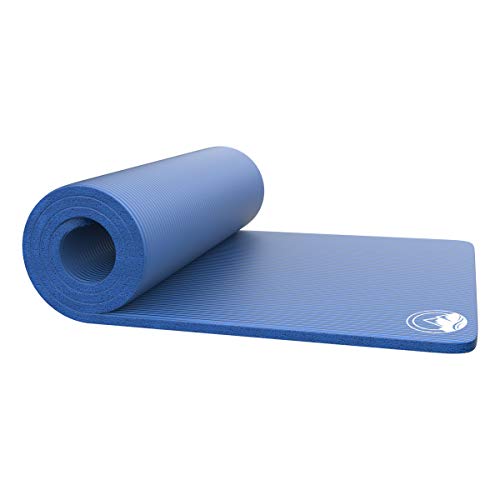
- 0.75-inch waterproof NBR foam
- Non-slip surface for cots and tents
- Includes a convenient carrying strap
Best For: Car camping, cots, RVs, and sleepovers
Best Inflatable Comfort

- Built-in pump and pillow
- Wide, 3-inch inflatable cushioning
- About 1.5 pounds and packs compactly
Best For: Backpackers wanting fast setup and integrated comfort
Best Foam Camping Mattress
CYMULA Memory Foam Camping Pad

- Conforming memory-foam comfort
- Waterproof, non-slip bottom
- Multiple sizes for camping or guest use
Best For: Car campers seeking a mattress-like sleep surface
Best Simple Pick

- No inflation or deflation required
- Waterproof IXPE closed-cell foam
- Accordion fold saves packing space
Best For: Ultralight backpackers wanting dependable foam cushioning
Best Foam-Air Hybrid – 3-Inch Memory Foam Sleeping Pad
For campers who want more cushioning than a basic air mat, this sleeping pad for outdoor camping combines 3 inches of memory foam with an air layer. Its rectangular 77-by-27-inch design offers stable support for side, back, and stomach sleepers, while the built-in foot pump lets you adjust firmness without carrying a separate pump.
Best For: Car camping, tent camping, and campers seeking quieter, insulated foam comfort.
Pros:
- 3-inch foam-and-air construction provides supportive cushioning with less bounce than an air-only pad.
- Built-in foot pump allows firmness adjustments without mouth inflation or a separate pump.
- Insulated foam, quiet construction, and a non-slip base suit cooler nights and varied camping surfaces.
Cons:
- At about 6 pounds, it is heavier than many backpacking-focused sleeping pads.
- The 3-inch thickness and rectangular shape may pack less compactly than ultralight designs.
This is a comfort-oriented choice for campers who prioritize stable, quiet support and convenient inflation over minimum pack weight. Its waterproof fabric and textured base add practical versatility for tents, car trunks, and cots.
Best Extra-Thick Inflatable – 6-Inch Camping Sleeping Pad
This 6-inch sleeping pad for outdoor camping creates substantial separation from cold, damp, or uneven ground while keeping its packed weight around 2.3 to 2.65 pounds. It includes a built-in pillow, integrated foot pump, and side snaps for joining multiple pads together.
Best For: Casual campers, families, backpackers, and travelers who want an elevated inflatable pad with a built-in pillow.
Pros:
- Six-inch air-chamber construction provides generous height and a firm sleeping surface.
- Built-in foot pump and upgraded valve simplify inflation, deflation, and packing.
- Waterproof 200T pongee fabric with TPU protection resists moisture, wear, and tearing.
- Side snap buttons allow multiple pads to connect into a larger sleeping area.
Cons:
- As an air-filled pad, it may feel less stable than a foam-supported design for some sleepers.
- The built-in pillow may not match every camper’s preferred pillow height or firmness.
With a stated 550-pound weight capacity and compact 10.5-by-5.5-inch packed size, this pad balances substantial thickness with travel convenience. It is especially flexible for family setups, road trips, and group camping.
Best Four-Season Insulation – Elegear 3.15-Inch Self-Inflating Pad
For four-season sleeping pads for outdoor camping, the Elegear combines 26D memory foam with a reported R-value of 9.5 and a 3.15-inch inflated thickness. Its dual valves support self-inflation and controlled deflation, while the 77-by-27-inch surface is designed for insulated, supportive sleep.
Best For: Car camping, family camping, road trips, and cold-weather campers who value high insulation.
Pros:
- Reported R-value of 9.5 provides strong insulation for cooler conditions.
- 26D memory foam is designed to distribute weight and relieve pressure points.
- Dual-use valves support quick self-inflation and easier compression during storage.
- Stretch-knit fabric is described as breathable, skin-friendly, tear-resistant, and quiet.
Cons:
- At 8.1 pounds, it is substantially heavier than backpacking-oriented pads.
- The first inflation may take up to 20 minutes after vacuum-packed delivery.
- Its larger comfort-focused construction is better suited to car-based travel than long hikes.
This pad emphasizes insulation and cushioned support rather than ultralight portability. The high stated weight capacity, quiet surface, and shoulder storage bag make it a practical choice for extended camp stays and guest use.
Best Ultralight Simplicity – Foldable Closed-Cell Foam Pad
This foldable foam sleeping pad for outdoor camping is a simple, lightweight alternative to inflatable mats. It measures 72.8 by 23.6 inches, weighs about 396 to 455 grams, and folds to roughly 23.6 by 5.5 by 5.5 inches for easy transport on backpacking and thru-hiking trips.
Best For: Ultralight backpackers, thru-hikers, picnickers, and campers who want a no-pump foam pad.
Pros:
- Very light and foldable for straightforward carrying on trekking trips.
- Closed-cell IXPE foam does not require inflation and is easy to deploy.
- Aluminum film helps reflect body heat, with a stated insulation rating of 2.1.
- Waterproof and moisture-resistant construction helps protect against damp ground.
Cons:
- At 0.7 inches thick, it provides less cushioning than the inflatable and memory-foam alternatives.
- The 23.6-inch width is narrower than several full-size camping pads.
- It includes no accessories.
This is the practical pick for minimizing weight and setup complexity. Its compact folded format and closed-cell construction are useful when reliability and speed matter more than plush cushioning or maximum insulation.
Best Double Sleeping Pad – 2-Person Inflatable Camping Mattress
If you need sleeping pads for outdoor camping that give two people room to stretch out, this inflatable double mat is a practical option. It measures 78 by 54 inches, inflates to 4 inches thick, and includes a built-in pillow and foot pump for a comfortable setup without carrying a separate pump.
Best For: Couples, families, car campers, and tent users who want a spacious shared sleeping surface.
Pros:
- Wide 78-by-54-inch sleeping area with a 4-inch-thick profile.
- Built-in pillow and foot pump simplify camp setup.
- 40D nylon with a multilayer TPU design is water resistant and designed for durability.
- Folds into a compact 10-by-5.9-inch carry bag and weighs 3 pounds.
Cons:
- Its double size is less suited to solo backpackers with limited pack space.
- Inflation requires stepping on the integrated pump for approximately 1–3 minutes.
- The supplied notes do not specify an insulation rating for cold-weather camping.
This pad prioritizes space and convenience over the smallest possible packed size. It is especially appealing for two-person tent trips, beach outings, car travel, and overnight guests.
Best Ultralight Sleeping Pad – Gear Doctors Ether Backpacking Mat
For backpackers comparing sleeping pads for outdoor camping, the Gear Doctors Ether emphasizes low weight and compact packing. It weighs 17.5 ounces, packs to 8.6 by 3.1 inches, and inflates with a detachable pump sack in under 90 seconds.
Best For: Backpackers, hikers, and campers who prioritize a lightweight, compact pad for spring and summer trips.
Pros:
- Very light at 17.5 ounces and compact when packed.
- 76-by-25-inch inflated size supports up to 440 pounds.
- Detachable foot pump, anti-leak valve system, repair kit, and carry pouch are included.
- ErgoCushion contours are designed for side and back sleepers; the pad has a 2-R-value rating.
Cons:
- The 2-R-value insulation is intended for spring and summer rather than colder conditions.
- Its regular 25-inch width may feel narrow for some sleepers.
- It requires the separate pump sack for lung-free inflation.
The Ether is a strong fit when pack weight matters most. Its ergonomic shape and quick setup add comfort on the trail, while the included repair kit and lifetime replacement support provide extra practicality.
Best Foam Sleeping Pad – Wakeman Waterproof Camping Sleep Mat
If you prefer simple, puncture-free sleeping pads for outdoor camping, this Wakeman foam mat offers a straightforward alternative to inflatable designs. Its 0.75-inch NBR foam construction provides cushioning and insulation from damp ground, while the included strap makes it easy to carry.
Best For: Car camping, cots, tents, RVs, sleepovers, and indoor or gym use where quick setup matters.
Pros:
- Durable NBR foam has a non-slip texture and waterproof surface.
- 72-inch length and 24-inch width fit cots, tents, and floor-sleeping setups.
- Roll-up design and carrying strap make transport simple.
- Works as a camping pad, RV mattress topper, floor mat, gym mat, or yoga mat.
Cons:
- At 0.75 inches thick, it offers less cushioning than thicker inflatable pads.
- Its rolled size is approximately 24 by 9 by 9 inches, so it is less packable than ultralight air pads.
- The supplied warranty description is limited to 30 days.
This foam pad is best when reliability and zero inflation time are more important than minimum packed volume. It is a versatile choice for casual camping, cots, vehicles, and home use.
Best Inflatable Comfort – FUN PAC Camping Sleeping Pad
For shoppers comparing sleeping pads for outdoor camping, the FUN PAC emphasizes cushioning, portability, and quick setup. Its inflatable design reaches about 3 inches thick, includes a built-in pillow and foot pump, and packs down compactly for hiking or backpacking.
Best For: Backpackers and campers who want a wide inflatable pad with integrated inflation and pillow support.
Pros:
- Built-in pump inflates the pad in roughly 30–60 seconds.
- Wide sleeping surface with egg-shaped air cells and a built-in pillow.
- Lightweight 40D nylon and TPU construction weighs about 1.5 pounds.
- Side buttons allow two pads to be connected as a wider bed.
Cons:
- Requires inflation before use and deflation when packing.
- The listed dimensions vary across the product information, so confirm the size before ordering.
This is a strong choice when comfort and packability matter more than the simplicity of a foam mat. The waterproof inflatable construction and included pillow help create a more complete sleep setup without adding separate pump or pillow gear.
Best Foam Camping Mattress – CYMULA Memory Foam Camping Pad
The CYMULA is a practical alternative for shoppers seeking sleeping pads for outdoor camping with a mattress-like feel. Its high-density memory foam is designed to conform to the body, while the roll-up format and included travel bag make it suitable for car camping, tents, sleepovers, and guest use.
Best For: Car campers and anyone prioritizing memory-foam comfort over minimum packed weight.
Pros:
- High-density memory foam provides cushioning and shock absorption.
- Waterproof, non-slip bottom suits tents, vehicles, and varied surfaces.
- OEKO-TEX certified materials and a fiberglass-free flame-retardant layer.
- Available in multiple sizes, including single, twin, full, and queen options.
Cons:
- At about 7.5 pounds, it is considerably heavier than an ultralight backpacking pad.
- Needs approximately 24–72 hours to rebound after vacuum packaging.
- Roll-up storage is less compact than a folding closed-cell foam pad.
The CYMULA makes the most sense when comfort and versatility are more important than minimizing pack weight. Its larger size choices and home-and-vehicle uses also make it useful beyond traditional tent camping.
Best Simple Pick – Closed-Cell Foam Camping Pad
For lightweight sleeping pads for outdoor camping, this closed-cell foam model offers a straightforward, dependable design. Its accordion-style peanut shape folds for storage, resists moisture, and does not require inflation, making it well suited to backpacking, hammock tents, picnics, and campsite seating.
Best For: Ultralight backpackers who want a no-inflation pad that cannot deflate overnight.
Pros:
- Closed-cell IXPE foam provides cushioning and moisture protection.
- Accordion-style folding design saves space when packed.
- Lightweight construction is convenient for hiking and backpacking.
- Can also serve as a seat, picnic mat, hammock-tent pad, or protective layer beneath an inflatable mattress.
Cons:
- Foam construction generally provides less mattress-like cushioning than an inflatable or memory-foam pad.
- Folding panels can be bulkier in a backpack than a rolled inflatable pad.
This pad is a good fit for campers who value reliability and low weight over plush comfort. Because it does not inflate, there are no valves or air leaks to manage, and its waterproof foam can add useful protection in damp outdoor conditions.
How We Picked the Best Sleeping Pads for Outdoor Camping
We evaluated these pads by the features that matter most at camp: sleeping comfort, packed size, weight, insulation, inflation method, durability, and ease of storage. The selection includes self-inflating memory-foam mattresses, air pads with built-in foot pumps, closed-cell foam mats, and a two-person design.
Because camping conditions vary, we did not treat one construction as universally best. Air pads generally pack smaller, foam pads are simple and dependable, and self-inflating models offer a useful balance of cushioning and convenience. Product dimensions, stated thickness, materials, and intended use were also considered when comparing options.
Quick Comparison
| Best For | Recommended Type | Main Advantage |
|---|---|---|
| Backpacking | Ultralight air or closed-cell foam pad | Low weight and compact packing |
| Car camping | Self-inflating memory-foam mattress | More cushioning and easier setup |
| Fast setup | Built-in foot-pump air pad | No separate pump required |
| Two people | Double inflatable pad | Shared sleeping surface |
| Maximum simplicity | Foldable closed-cell foam pad | No inflation or puncture concerns |
Key Buying Factors for Sleeping Pads for Outdoor Camping
Thickness and Cushioning
Thicker pads usually provide better pressure relief, especially for side sleepers and campers using hard tent floors. A slim foam mat can work well for minimalist trips, but self-inflating and air-filled models are typically more comfortable for extended camping or car camping.
Warmth and Insulation
Look for an insulated construction when camping in cool weather. Foam layers and insulated air chambers can reduce heat loss to the ground. Thickness alone does not guarantee warmth, so check the manufacturer’s insulation details and match the pad to expected temperatures.
Weight and Packed Size
For backpacking, every ounce and cubic inch matters. Ultralight air pads and folding foam mats are easier to carry than thick memory-foam mattresses. For vehicle-based trips, comfort and durability may be worth the added weight.
Inflation, Durability, and Dimensions
Built-in foot pumps simplify setup but may require more time and effort than a separate pump. Check valve design, surface materials, and repair options if you camp frequently. Also verify width and length: a narrow pad can save space but may limit sleeping comfort, while a double pad needs enough tent floor area.
Who Should Buy Which Sleeping Pads for Outdoor Camping?
Choose an ultralight air pad if you hike with all your gear and want a compact sleep system. Choose closed-cell foam if you prioritize low cost, instant setup, durability, or a pad that can double as a sitting mat. Choose a self-inflating memory-foam pad for car camping, tent comfort, or guests who prefer a more mattress-like feel.
Choose a built-in-pump inflatable pad when you want generous cushioning without packing a separate pump. A double camping pad is best for couples or shared sleeping arrangements, provided your tent has enough interior width. Before buying, compare the packed dimensions with your storage space and confirm that the pad’s size suits your sleeping position and camping style.