Cold ground can drain heat quickly, making an insulated sleeping pad one of the most important pieces of winter camping gear. The right pad balances warmth, cushioning, durability, and packed size for your specific conditions.
We selected 10 options ranging from ultralight closed-cell foam mats to thick self-inflating and high-R-value air pads, so you can match your sleep system to backpacking, car camping, or severe cold.
Best 10 Sleeping Pads for Winter Camping Picks for 2026
Versatile Self-Inflating Pick
Oxylus 4.3 R-Value Sleeping Pad
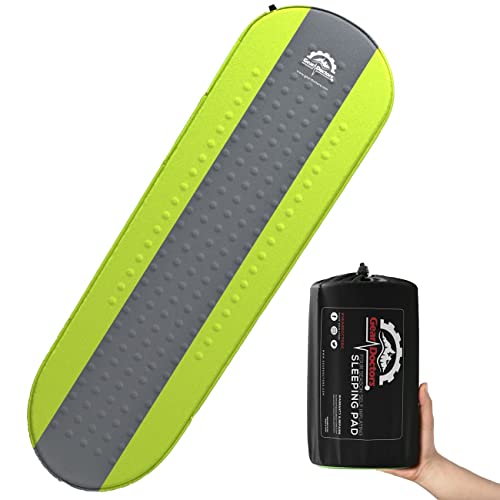
- 4.3 R-value hybrid foam insulation
- Self-inflating setup with adjustable firmness
- 35.2 ounces and packs compactly
Best For: Backpacking, hiking, and car camping in cool-to-cold conditions
Ultralight Closed-Cell Classic
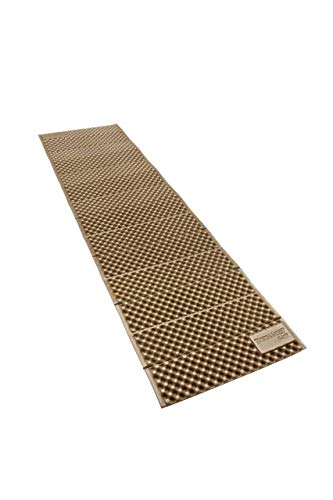
- Only 14 ounces
- Puncture-proof closed-cell foam
- R-value 1.7 with accordion-fold design
Best For: Ultralight trips and use as a supplemental insulation layer
Maximum Warmth and Cushioning

- R-value 9.5 for strong cold-ground insulation
- 3.15-inch memory-foam cushioning
- 8.1-pound car-camping-oriented design
Best For: Family camping, car camping, and comfort-focused winter sleepers
Lightweight Cold-Weather Air Pad
Hikenture R6.2 Insulated Sleeping Pad

- ASTM-tested R-value 6.2
- 3.2 inches thick and about 1.53 pounds
- 40-liter storage bag doubles as pump sack
Best For: Backpacking and cold-weather trips where warmth-to-weight matters
Best Lightweight Warmth

- 7.2 R-value for all-season insulation
- 4-inch thickness with a 330-pound capacity
- 2 pounds and highly compact when packed
Best For: Backpackers prioritizing insulation and low pack weight
Best Self-Inflating Comfort

- Hybrid memory foam and air construction
- Built-in foot pump for easy adjustment
- 6-pound design suited to vehicle-supported camping
Best For: Car campers seeking stable, quiet, cushioned support
Best Cold-Weather Insulation

- Certified R-value of 9 for demanding cold conditions
- 4-inch thickness with supportive mummy-shaped cells
- 2.2 pounds with an included pump sack
Best For: Winter backpackers and mountaineers prioritizing maximum warmth
Ultralight Reflective Foam Pick

- Waterproof closed-cell IXPE foam
- Reflective aluminum film; R-2.1 insulation
- Lightweight, foldable, and pump-free
Best For: Ultralight backpacking and simple cold-ground protection
Extreme-Cold Comfort Pick

- R-9.0 insulation for four-season use
- 4.7-inch thickness supports varied sleepers
- Pump bag and durable 40D nylon included
Best For: Winter camping and alpine trips prioritizing warmth and cushioning
Oversized Ground-Layer Pick

- Very light at approximately 160 grams
- Large 78.7-by-59-inch coverage area
- Waterproof and reflective for supplemental insulation
Best For: Tent floors, thermal blankets, and lightweight supplemental layering
Versatile Self-Inflating Pick – Oxylus 4.3 R-Value Sleeping Pad
For campers who want a balance of insulation, cushioning, and straightforward setup, the Gear Doctors Oxylus is a versatile option among sleeping pads for winter camping. Its 4.3 R-value hybrid foam construction provides insulation for cold ground, while the self-inflating design helps simplify camp setup.
Best For: Backpackers, hikers, car campers, and families seeking a packable four-season pad with moderate insulation.
Pros:
- 4.3 R-value hybrid foam core adds warmth and cushioning.
- Self-inflates after unrolling and opening the valve, with final firmness adjustable by breath.
- 72-by-20-inch sleeping surface packs to approximately 8 by 12 inches and weighs 35.2 ounces.
- 75D micro-coated polyester shell is described as water-resistant, leak-resistant, and abrasion-resistant.
Cons:
- At 1.5 inches thick, it provides less loft than thicker three-inch-plus models.
- Its 35.2-ounce weight is higher than ultralight closed-cell or air pads.
The Oxylus is a practical middle ground for cold-weather camping when comfort and easy inflation matter more than achieving the smallest possible pack weight. Its insulation is suitable for many winter trips, though especially severe conditions may call for a higher-R-value pad.
Ultralight Closed-Cell Classic – Therm-a-Rest Z Lite Original
The Therm-a-Rest Z Lite Original is a simple, durable choice among sleeping pads for winter camping, especially for hikers who prioritize reliability and low weight. Its closed-cell foam construction cannot deflate, and its accordion folds make it easy to attach to or carry with a pack.
Best For: Ultralight backpackers, mountaineers, and campers who want dependable ground protection and a low-maintenance foam pad.
Pros:
- Weighs just 14 ounces and folds to approximately 20 by 5 by 5.5 inches.
- Closed-cell foam is durable, water-resistant, and immune to punctures.
- Dimpled construction helps trap heat, while the two-sided foam balances comfort and ground protection.
- 72-by-20-inch size provides a full-length sleeping surface.
Cons:
- Its R-value of 1.7 offers limited insulation for serious winter conditions.
- At 0.75 inch thick, it provides less cushioning on hard or uneven ground.
- Accordion folding is compact but typically bulkier than an inflatable pad in a backpack.
The Z Lite is best viewed as a lightweight three-season pad or as an additional insulation layer beneath another sleeping pad. For mild winter conditions, its puncture-proof simplicity is appealing; for deep cold, its low R-value may not provide enough insulation on its own.
Maximum Warmth and Cushioning – Elegear 3.15-Inch R-9.5 Pad
With a reported R-value of 9.5 and a 3.15-inch-thick memory-foam design, the Elegear is one of the most heavily insulated sleeping pads for winter camping in this roundup. Its generous dimensions, built-in pillow, and high weight capacity favor comfort and warmth over backpacking portability.
Best For: Family campers, car campers, road trips, and anyone wanting a thick, warm, mattress-like sleeping surface.
Pros:
- ASTM-tested R-value of 9.5 is designed for strong insulation in cold conditions.
- 77-by-27-by-3.15-inch dimensions and 26D memory foam provide substantial cushioning.
- Two valves support self-inflation, with the manufacturer stating inflation can finish in about 20 seconds after initial setup.
- Supports up to 800 pounds and includes a built-in pillow and shoulder storage bag.
Cons:
- At 8.1 pounds, it is much too heavy for most backpacking trips.
- The first inflation may take up to 20 minutes because of vacuum packaging.
- Its larger packed size is better suited to vehicle-based camping than compact packs.
The Elegear is a comfort-first winter pad for campsites, vehicles, and guest use. Its high stated R-value and thick foam construction make it compelling for cold sleepers, but the 8.1-pound weight limits its practicality for long-distance travel on foot.
Lightweight Cold-Weather Air Pad – Hikenture R6.2 Insulated Sleeping Pad
The Hikenture R6.2 is a strong option for shoppers comparing sleeping pads for winter camping who want substantial insulation without a heavy load. Its 3.2-inch air construction, ASTM-tested R-value, and included pump sack combine warmth, cushioning, and efficient inflation for backpacking trips.
Best For: Backpackers and cold-weather campers who want a lightweight, thick inflatable pad with an integrated inflation solution.
Pros:
- ASTM F3340-22-tested R-value of 6.2 and aluminum-film construction help reflect heat.
- 3.2-inch thickness and airbag structure are designed to distribute pressure and reduce bottoming out.
- Weighs about 1.53 pounds and packs into a compact form.
- Included 40-liter storage bag doubles as a pump sack, with inflation requiring about three pumps according to the manufacturer.
Cons:
- Inflatable construction remains vulnerable to punctures, despite the included repair patches.
- It requires careful handling and proper inflation on rough ground.
- The 12-by-3.5-by-3.5-inch listed packed dimensions may be less compact than some ultralight pads.
The Hikenture offers a well-balanced cold-weather setup for backpackers: notably warmer than low-R-value foam pads, yet far lighter than thick self-inflating car-camping mattresses. The 2-in-1 pump sack and repair patches add useful trail practicality.
Best Lightweight Warmth – Trekology UL R7
For campers seeking sleeping pads for winter camping without a heavy pack, the Trekology UL R7 combines a 7.2 R-value with a 2-pound packed weight. Its 4-inch inflatable design provides substantial cushioning while remaining compact for backpacking.
Best For: Backpackers and hikers who want strong insulation, generous cushioning, and a compact pad for three- or four-season trips.
Pros:
- 7.2 R-value helps insulate against cold ground.
- 4-inch thickness and a 24-inch width support side and back sleepers.
- Weighs 2 pounds and packs to about the size of a water bottle.
- 40D ripstop nylon with TPU coating is water-resistant and supports up to 330 pounds.
Cons:
- A pump bag is not included, so inflation requires mouth inflation or a separate pump bag.
- The 70.8-inch length is best suited to sleepers up to 5 feet 11 inches.
The Trekology UL R7 is a practical balance of warmth, comfort, and portability. It is especially appealing when you want a well-insulated pad for cold-weather backpacking but do not want to carry a bulky self-inflating mattress.
Best Self-Inflating Comfort – OGERY 3-Inch Memory Foam Pad
The OGERY is a comfort-focused option among sleeping pads for winter camping, using a hybrid foam-and-air construction to provide stable support and reduce the bouncy feel of an air-only pad. Its self-inflating design and built-in foot pump also simplify setup.
Best For: Car campers and tent campers who prefer memory-foam cushioning, a wider sleep surface, and convenient firmness adjustment.
Pros:
- 3.15-inch memory-foam construction supports side, back, and stomach sleepers.
- Self-inflates and includes a built-in foot pump, eliminating mouth inflation and a separate pump.
- Foam insulation helps reduce heat loss during cooler nights.
- Non-slip base helps keep the pad stable on tent floors, trunks, and cots.
Cons:
- At 6 pounds, it is considerably heavier than lightweight backpacking pads.
- The supplied notes do not specify an R-value, making its cold-weather insulation harder to compare directly.
The OGERY favors easy setup and mattress-like support over minimal pack weight. Its foam-filled construction makes it a sensible choice for vehicle-supported winter trips, while the built-in pump adds convenience at camp.
Best Cold-Weather Insulation – Elegear CumbreX R9
For serious cold-weather trips, the Elegear CumbreX stands out among sleeping pads for winter camping with a certified R-value of 9 and a nine-layer insulation system. The 4-inch inflatable pad is designed to provide warmth and cushioning while remaining backpacking-friendly at 2.2 pounds.
Best For: Backpackers, mountaineers, and campers who prioritize maximum ground insulation for snowy, high-altitude, or otherwise demanding conditions.
Pros:
- R-value of 9 is independently SGS tested and ASTM F3340-22 certified.
- Four-inch thickness and support cells help prevent bottoming out on uneven ground.
- Includes a pump sack for inflation in approximately 4–6 pumps.
- 20D tear-resistant nylon with reinforced TPU is waterproof and built for repeated outdoor use.
Cons:
- The mummy shape may provide less usable surface area than a rectangular pad.
- It has no built-in pump, so inflation depends on the included pump sack.
The CumbreX is the strongest choice here when winter insulation is the deciding factor. Its high certified R-value, four-inch loft, and included pump sack make it well suited to cold, high-altitude, and snow-oriented adventures without reaching excessive backpacking weight.
Ultralight Reflective Foam Pick – Foldable IXPE Camping Pad
For hikers seeking sleeping pads for winter camping without an air pump or bulky packed load, this foldable closed-cell foam mat offers a simple insulating layer. Its IXPE foam, reflective aluminum film, waterproof construction, and 0.7-inch thickness suit basic cold-ground protection.
Best For: Ultralight backpacking, thru-hiking, and campers who prefer a foldable foam pad.
Pros:
- Lightweight at approximately 396–455 grams and folds for transport.
- Reflective aluminum film is designed to help circulate body warmth.
- Waterproof, moisture-resistant, and corrosion-resistant construction.
- No inflation is required, simplifying setup in cold weather.
Cons:
- Its 0.7-inch thickness provides less cushioning than a thick inflatable pad.
- The listed insulation rating is R-2.1, making it less suited to extreme cold than higher-R-value options.
- Folded dimensions may be bulkier than a compressed inflatable pad.
This is a practical, low-maintenance choice when pack weight and fast setup matter most. For serious winter conditions, compare its R-2.1 insulation with the expected ground temperatures and your sleeping bag system.
Extreme-Cold Comfort Pick – OGERY R-9.0 Inflatable Pad
For shoppers comparing sleeping pads for winter camping, the OGERY SZ-R12 emphasizes insulation and cushioning. Its R-9.0 rating, eight-layer construction, 4.7-inch air-cell design, and pump bag are aimed at cold-weather camping, snow camping, and alpine trips.
Best For: Four-season campers, winter backpackers, and side, back, or combination sleepers wanting substantial cushioning.
Pros:
- R-9.0 insulation is designed to reduce heat loss in extreme cold.
- At 4.7 inches thick, it creates distance from uneven, cold ground.
- Includes a pump bag to speed inflation and help reduce moisture entering the pad.
- 40D nylon with TPU coating supports abrasion resistance and waterproof performance.
Cons:
- At 2.5 pounds, it is heavier than the listed foam alternatives.
- Inflatable construction requires setup and care to avoid punctures.
- The 70.8-inch length may be short for some taller sleepers.
Among these options, this pad offers the strongest stated winter insulation and the most cushioning. Its heavier weight makes it better suited to comfort-focused backpacking, car camping, or trips where cold protection takes priority over the lightest possible load.
Oversized Ground-Layer Pick – Aluminum Foam Thermal Mat
This oversized aluminum-and-EPE mat is a lightweight supplemental option among sleeping pads for winter camping. Measuring about 78.7 by 59 inches, it can cover a broad tent-floor area or work as a thermal blanket beneath a sleeping bag, while folding easily into its included carry pack.
Best For: Campers needing a very light tent-floor layer, thermal blanket, or supplemental barrier against cold ground.
Pros:
- Extremely light at approximately 160 grams.
- Large 78.7-by-59-inch footprint provides broad coverage.
- Double-sided aluminum foil and EPE are designed to reflect heat and insulate.
- Waterproof, foldable, and easy to clean.
Cons:
- At roughly 0.07 inches thick, it offers minimal cushioning.
- No R-value is provided, so winter insulation performance is harder to compare directly.
- It is better viewed as a ground layer or thermal blanket than a standalone comfort pad.
This mat is compelling when minimum weight and maximum coverage matter more than plush comfort. For colder trips, pair it with a sleeping pad that has a stated winter-appropriate R-value rather than relying on this thin layer alone.
How We Picked the Best Sleeping Pads for Winter Camping
We evaluated these pads by the factors that matter most in cold conditions: insulation, stated R-value, thickness, construction, inflation method, packed portability, and intended use. We also considered whether each design offers useful backup protection if punctured. R-value is especially important because it indicates resistance to heat loss through the ground; higher values generally provide better insulation, though real-world warmth also depends on your sleeping bag, clothing, tent, and campsite.
Because product specifications can vary by size and production run, verify the current dimensions, weight, and R-value before buying. For serious winter use, treat published ratings as a starting point rather than a guarantee for a specific temperature.
Quick Comparison
- Lightest and simplest: Closed-cell foam pads are durable, fast to deploy, and useful as a backup layer.
- Best comfort-to-warmth balance: Self-inflating pads combine foam insulation with cushioning and are well suited to base camps and car camping.
- Best for packable comfort: Inflatable pads usually offer greater thickness and lower packed bulk, but require more care around sharp surfaces.
- For deep cold: Prioritize a high R-value or layer two pads, especially when sleeping on snow or frozen ground.
Key Buying Factors for Sleeping Pads for Winter Camping
R-Value and Insulation
For shoulder-season trips, an R-value around 4 may be adequate for many sleepers. Winter conditions often call for R-5 or higher, while very cold trips may benefit from R-7 or more. Layering a foam pad beneath an insulated air pad can increase warmth and provide puncture protection.
Thickness and Sleeping Comfort
Thicker pads cushion hips and shoulders better and help compensate for uneven ground. However, extra height can make a pad heavier, bulkier, and less stable. Side sleepers typically appreciate more thickness, while minimalist backpackers may prefer a thinner foam design.
Weight, Packed Size, and Durability
Closed-cell foam is difficult to puncture but often bulky. Inflatable pads pack smaller and weigh less for their thickness, yet they need a groundsheet or careful site selection. Self-inflating models offer a useful middle ground but may be heavier than air-only designs.
Inflation and Temperature Management
A built-in pump or pump sack can reduce moisture entering an air pad and simplify setup. Avoid inflating an air pad excessively in freezing conditions until you have accounted for pressure changes and your preferred firmness.
Who Should Buy Which Sleeping Pads for Winter Camping?
Backpackers: Choose a compact insulated inflatable pad, or pair one with a lightweight foam mat for added warmth and redundancy. Car campers: A thicker self-inflating pad is often worth the extra weight for easier setup and better comfort. Cold-weather specialists: Select the highest practical R-value and use a layered sleep system on snow or frozen ground. Budget-minded campers: A closed-cell foam pad provides reliable insulation, fast setup, and excellent durability, though with less cushioning.
Finally, confirm that the pad fits inside your tent and works with your sleeping bag. A warm pad cannot compensate for an inadequate bag, wet insulation, or exposed ground, so consider the entire sleep system before making your choice.