Snow-covered trails demand more than ordinary running shoes. You need dependable traction, weather protection, and a fit that stays comfortable when surfaces are cold, wet, uneven, or unpredictable.
We selected 10 winter-capable trail shoes ranging from waterproof Gore-Tex models to lightweight mountain runners, so you can match your footwear to the depth of snow, trail conditions, and distance you plan to cover.
Best 10 Trail Running Shoes for Snow Picks for 2026
Winter Mountain Pick

- Waterproof, breathable winter-ready design
- Compatible with traction devices
- Lightweight 290 g listed weight
Best For: Technical winter mountain trails and hiking
Cushioned Waterproof Pick

- Waterproof lining for wet conditions
- Maximum listed cushioning
- XT-600 outsole with 4 mm lugs
Best For: Comfort-focused running and hiking on wet or packed trails
Technical Stability Pick

- Waterproof, breathable Gore-Tex membrane
- 3D chassis adds stability and control
- Contagrip outsole for mixed terrain
Best For: Demanding wet and mixed-terrain winter trails
Maximum Cushioning Pick

- High-stack DNA LOFT v3 cushioning
- Raised sidewalls and widened base
- Breathable but not water resistant
Best For: Long-distance running on dry, rugged winter trails
Versatile Trail-to-Street Pick

- Omni-Max cushioning and stability
- Omni-Grip wet/dry multi-terrain traction
- Not water resistant
Best For: Packed trails and mixed outdoor use
Waterproof Snow-Weather Pick

- Waterproof Gore-Tex bootie
- All Terrain Contagrip outsole
- Quicklace fit with mudguard
Best For: Wet snow, mud, and unpredictable trail weather
Snowy Mud Trail Grip
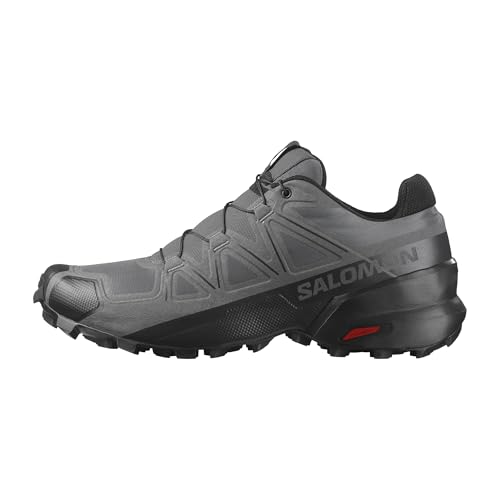
- Deep Mud Contagrip lugs for soft and loose terrain
- Protective welded ripstop upper with anti-debris mesh
- Quicklace and Sensifit provide a secure fit
Best For: Muddy, loose, and mixed winter trails
Mountain Snow Stability

- TrailTack Green outsole grips wet and dry terrain
- DNA LOFT v3 adds responsive heel and forefoot cushioning
- Trail Adapt System supports stability on uneven trails
Best For: Stable, cushioned mountain-trail running
Natural-Stride Snow Adventures

- MaxTrac outsole and TrailClaw lugs provide reliable trail traction
- Zero-drop platform and wide toe box encourage natural movement
- Water-resistant ripstop mesh adds damp-condition protection
Best For: Roomy, natural-feeling trail running on mixed winter surfaces
Winter Mountain Pick – Norvan 4 Nivalis GTX
For technical winter routes, the Arc’teryx Norvan 4 Nivalis GTX is a purpose-built option among trail running shoes for snow. It combines a waterproof, breathable build with winter-ready construction and compatibility with traction devices.
Best For: Technical mountain running and hiking in fall and winter conditions where waterproofing, durability, and added traction support matter.
Pros:
- Waterproof and breathable construction for wet conditions
- Designed for winter-ready mountain use
- Compatible with traction devices
- Moderate EVA cushioning and a lightweight 290 g listed weight
Cons:
- Traction devices are not included
- Low-top design may offer less coverage than a winter boot
- Notes identify it primarily for hiking and trail running rather than deep-snow use
The Norvan 4 Nivalis GTX stands out when you need a technical, low-profile shoe that can accept additional traction equipment. It is a strong fit for mixed winter terrain, provided you choose traction devices separately when conditions require them.
Light Trail Option – adidas Terrex Soulstride Rain.rdy
The adidas Terrex Soulstride Rain.rdy offers a lightweight, cushioned platform for everyday trail routes. Its Traxion outsole and rugged-terrain lugs can help on packed or mixed surfaces, but it is not listed as water resistant, so it is less suited to wet snow.
Best For: Casual trail runners who want cushioning, breathable mesh, and directional grip for dry or lightly snowy paths.
Pros:
- Traxion outsole is designed for multidirectional grip
- EVA midsole provides step-absorbing cushioning
- Mesh upper is breathable and lightweight
- Made in part with recycled materials
Cons:
- Not water resistant according to the supplied details
- Less appropriate for wet snow or slushy conditions
- Designed with a casual, versatile trail focus rather than winter-specific features
This is a sensible choice for dry winter outings where comfort and grip are more important than waterproofing. For melting snow, precipitation, or consistently wet trails, a waterproof model is a better match.
Cushioned Waterproof Pick – Saucony Excursion TR18 GTX
The Saucony Excursion TR18 GTX is a practical waterproof choice among trail running shoes for snow, especially when comfort is a priority. Its VersaRun foam, waterproof lining, and 4 mm outsole lugs support all-day trail use in damp fall and winter conditions.
Best For: Trail runners and hikers seeking maximum cushioning, waterproof protection, and dependable grip on maintained or mixed trails.
Pros:
- Waterproof lining helps protect against wet conditions
- VersaRun foam is designed for step-in comfort and cushioning
- XT-600 carbon rubber outsole with 4 mm lugs provides traction
- Reinforced heel and toe areas add upper protection
Cons:
- Listed for fall rather than specifically as a deep-winter shoe
- Low-top profile provides limited coverage above the ankle
- 4 mm lugs may be less specialized for severe snow than a dedicated winter outsole
The Excursion TR18 GTX balances waterproofing and cushioning well for wet trails and moderate winter use. It is most appropriate for packed snow and damp terrain, rather than highly technical snow travel.
Technical Stability Pick – Salomon XA PRO 3D GTX
Salomon Men’s XA PRO 3D Gore-Tex Waterproof Trail Running Shoes - Lead/Black/Barbados Cherry - 12
Check Price On AmazonThe Salomon XA PRO 3D Gore-Tex is built for demanding mixed terrain where waterproof protection, stability, and grip are central concerns. Its Gore-Tex membrane, 3D Advanced Chassis, and Contagrip outsole make it a capable candidate among trail running shoes for snow on challenging trails.
Best For: Technical routes and mixed terrain where stable support, waterproof weather protection, and rugged all-terrain traction are priorities.
Pros:
- Gore-Tex membrane is waterproof, windproof, and breathable
- 3D Advanced Chassis supports motion control and underfoot stability
- Contagrip outsole is designed for varied terrain and loose gravel
- Reinforced toe cap helps protect against impacts
Cons:
- Supplied notes do not identify it as a dedicated snow shoe
- Low-profile design may provide less insulation and coverage than winter footwear
- Gore-Tex protects from water but does not replace separate traction devices on ice
The XA PRO 3D GTX is a strong all-around technical option for wet, uneven, and mixed winter trails. Its stability system and rugged grip are especially useful when snow is only one part of a varied route.
Maximum Cushioning Pick – Brooks Caldera 8
Brooks Women’s Caldera 8 Ultra Trail Running Shoe - Black/Blackened Pearl/White - 7.5 Medium
Check Price On AmazonThe Brooks Women’s Caldera 8 is a strong option for trail running shoes for snow when your priority is plush cushioning and stability on rugged routes. Its high-stack DNA LOFT v3 foam, raised sidewalls, and widened base are designed to help protect and steady your stride over rocks and roots. However, it is not water resistant, so it is better suited to dry, packed snow than wet conditions.
Best For: Long-distance trail runners seeking maximum cushioning on rough, mostly dry terrain.
Pros:
- High-stack, nitrogen-infused DNA LOFT v3 cushioning helps absorb rough-terrain impact.
- Raised sidewalls and a widened base support stability on uneven landings.
- Breathable, adaptable upper helps with ventilation and moisture management.
- Durable materials resist scratching and snagging on trails.
Cons:
- Not water resistant, limiting protection in wet snow or slush.
- Designed for neutral pronation and may not suit runners seeking corrective support.
The Caldera 8 emphasizes comfortable distance running and protective cushioning rather than weatherproofing. For dry winter trails, it offers a plush, stable platform; for melting snow, waterproof footwear would be a safer choice.
Versatile Trail-to-Street Pick – Columbia Vertisol Trail
The Columbia Men’s Vertisol Trail is a practical choice among trail running shoes for snow if you need one pair for packed paths, light winter outings, and everyday wear. Its Omni-Max cushioning supports the heel and forefoot, while the Omni-Grip outsole is built for traction across rock, dirt, gravel, and wet or dry surfaces. The shoe is not water resistant, so it is less suitable for deep snow or slushy conditions.
Best For: Casual trail users who want cushioning, multi-terrain grip, and trail-to-street versatility.
Pros:
- Omni-Max system combines heel cradling, deflection domes, and flex grooves for comfort and stability.
- Omni-Grip outsole is designed for wet and dry traction across varied terrain.
- Breathable mesh upper includes supportive overlays.
- Abrasion-resistant construction is designed for lasting use.
Cons:
- Not water resistant for wet snow, slush, or puddles.
- Listed as a hiking shoe rather than a dedicated trail-running model.
The Vertisol Trail makes sense for mixed outdoor use and maintained winter trails where flexibility and cross-terrain grip matter. Choose a waterproof model instead if snow moisture is a regular concern.
Waterproof Snow-Weather Pick – Salomon Speedcross Peak GTX
The Salomon Speedcross Peak Gore-Tex is the most weather-ready choice here for trail running shoes for snow. Its waterproof Gore-Tex bootie helps keep out external moisture, while the All Terrain Contagrip outsole is designed for wet, dry, loose, and hard surfaces. Quicklace, Sensifit construction, and a mudguard add secure fit and trail protection for unpredictable conditions.
Best For: Trail runners and hikers who need waterproof protection and confident grip in wet, snowy, or muddy conditions.
Pros:
- Waterproof Gore-Tex construction helps keep feet dry in wet conditions.
- All Terrain Contagrip outsole supports grip across varied surfaces.
- Quicklace system provides fast, adjustable tightening with a stowable lace garage.
- Mudguard helps defend against debris and adds durability.
Cons:
- Moderate cushioning may feel less plush than a maximum-cushioning shoe.
- Medium-neck construction and waterproof materials may feel warmer than a breathable mesh shoe.
For snowy routes where moisture and changing surfaces are the main concerns, the Speedcross Peak Gore-Tex offers the strongest feature match of these three. Its cushioning is moderate, but waterproofing, traction, and a secure fit make it the most practical winter-weather option.
Snowy Mud Trail Grip – Salomon Speedcross
For trail running shoes for snow, the Salomon Speedcross is best suited to soft, loose, and muddy surfaces where aggressive traction matters. Its deep lugs and protective upper make it a practical choice for messy fall and winter trails, though it is not rated as water resistant.
Best For: Runners tackling muddy, loose, rocky, or mixed trails who prioritize grip and a secure foothold.
Pros:
- Deep, sharp Mud Contagrip lugs provide strong traction on soft, loose, and rugged terrain.
- Welded ripstop construction and anti-debris mesh help protect against mud and trail debris.
- Sensifit construction and Quicklace closure create a precise, foot-hugging fit.
- Heel support is designed to improve stability and encourage a clean foot strike.
Cons:
- Not water resistant, so it offers limited protection from wet snow and standing water.
- Moderate cushioning may feel less plush for runners wanting a highly cushioned ride.
The Speedcross stands out when snowy routes also include mud, loose gravel, or rugged terrain. For wet conditions, pair it with appropriate socks and consider whether its low-top, non-water-resistant design fits your route.
Mountain Snow Stability – Brooks Cascadia 19
Brooks Men’s Cascadia 19 Mountain Trail Running Shoe - Black/Black/Ebony - 10 Medium
Check Price On AmazonThe Brooks Cascadia 19 is a balanced option among trail running shoes for snow, combining a grippy outsole, responsive cushioning, and an adaptive stability system. It can handle varied wet and dry terrain, but its mesh upper and lack of water resistance make it better for packed or light snow than deep, saturated conditions.
Best For: Trail runners seeking stable, cushioned performance across uneven mountain paths and changing surface conditions.
Pros:
- TrailTack Green rubber outsole is designed for traction in uneven wet and dry conditions.
- DNA LOFT v3 cushioning provides a soft, responsive ride in the heel and forefoot.
- Trail Adapt System and articulated Ballistic Rock Shield support stability and adaptability.
- Reinforced toe cap, mudguard, and 3D print overlays add trail protection.
Cons:
- Not water resistant, limiting protection in wet snow or slushy conditions.
- Moderate-to-high cushioning and added protective features may feel less minimal than some trail shoes.
Choose the Cascadia 19 when comfort and adaptable stability are as important as traction. It is a versatile mountain-trail shoe for variable surfaces, but runners regularly facing deep or melting snow may want additional weather protection.
Natural-Stride Snow Adventures – ALTRA Lone Peak 8
The ALTRA Lone Peak 8 is a versatile pick for trail running shoes for snow when you want a wide toe box, zero-drop platform, and reliable traction. Its MaxTrac outsole and TrailClaw lugs suit dirt, gravel, and rock, while the water-resistant construction offers added help in light wet conditions.
Best For: Runners who prefer natural foot alignment, roomy forefoot comfort, and a versatile shoe for trails and outdoor wear.
Pros:
- MaxTrac outsole and TrailClaw lugs provide traction on dirt, gravel, and rock.
- Zero-drop platform and wide toe box support a natural stride and roomy fit.
- Water-resistant ripstop mesh offers some protection in damp conditions.
- Lightweight EGO midsole provides shock absorption and high-rebound energy return.
Cons:
- Zero-drop geometry may require an adjustment period for runners accustomed to traditional heel-to-toe designs.
- Moderate cushioning and a 25-millimeter stack may not satisfy runners seeking maximum underfoot plushness.
- The supplied traction details focus on dirt, gravel, and rock rather than deep snow.
The Lone Peak 8 makes sense for runners who value natural alignment and forefoot room on winter-ready outdoor routes. Its water-resistant build is useful for damp conditions, while the outsole is most clearly suited to firm, mixed trail surfaces.
How We Picked the Best Trail Running Shoes for Snow
We focused on the features that matter most in winter trail running: outsole traction, water resistance, stability, cushioning, fit, and overall versatility. The lineup includes shoes with waterproof membranes for slush and wet snow, aggressive lugs for loose terrain, and supportive platforms for icy or uneven trails.
Because no single shoe works equally well in every winter condition, we also considered intended use. Some options are better for short daily runs and packed paths, while others are designed for technical terrain, long distances, or runners who prefer a roomy, natural-feeling fit.
Quick Comparison
| What to prioritize | Best suited for |
|---|---|
| Waterproof membrane | Wet snow, slush, rain, and muddy trails |
| Deep, aggressive lugs | Loose snow, soft ground, and technical terrain |
| Stable construction | Rocky, uneven, or icy routes |
| More cushioning | Long runs and runners seeking impact protection |
| Low weight and flexibility | Shorter outings and faster packed-trail runs |
Key Buying Factors for Trail Running Shoes for Snow
Traction and Lug Design
Look for widely spaced, multidirectional lugs that can bite into soft snow and shed mud. Aggressive tread helps on loose terrain, but it cannot replace traction devices on polished ice. For consistently icy routes, consider pairing your shoes with removable running crampons or microspikes.
Waterproofing and Snow Protection
Gore-Tex and other waterproof membranes help keep out wet snow and puddles, but they can feel warmer and less breathable than unlined shoes. A waterproof upper works best when combined with gaiters that block snow from entering around the collar.
Fit, Socks, and Temperature
Leave enough room for your winter socks without allowing heel movement. Tight shoes can restrict circulation and make feet feel colder, while an overly loose fit can reduce control on slippery descents. Try shoes with the socks you expect to wear on the trail.
Cushioning and Stability
More cushioning can improve comfort on frozen, hard-packed surfaces, especially during long runs. A firmer, more stable platform may be preferable on technical trails where precise foot placement matters. Runners who favor a wide toe box should pay close attention to the shape of the forefoot.
Who Should Buy Which Trail Running Shoes for Snow?
For Wet, Slushy Winter Conditions
Choose a waterproof model such as the Arc’teryx Norvan 4 Nivalis GTX, Saucony Excursion TR18 GTX, or a Salomon Gore-Tex option. These are practical choices when precipitation and puddles are more common than deep, dry snow.
For Aggressive Mountain Trails
Look for the Salomon Speedcross models or Salomon XA PRO 3D Gore-Tex. Their trail-focused construction and pronounced grip suit steep, uneven routes where security matters more than maximum road-running comfort.
For Long, Cushioned Runs
The Brooks Caldera 8 and Brooks Cascadia 19 are worth considering for runners who want comfort and support over extended distances. They are especially appealing for hard-packed winter trails and mixed-surface routes.
For a Roomier, Natural Fit
The ALTRA Lone Peak 8 is a strong option for runners who prefer generous toe space and a flexible trail feel. Check your preferred winter sock combination carefully, since fit and warmth are closely connected.
For Casual Winter Trail Use
Columbia’s Vertisol Trail and adidas Terrex Soulstride Rain.Rdy offer approachable choices for everyday outdoor use, light trail running, and damp conditions. Select based on the amount of snow, traction, and cushioning you need rather than choosing solely by appearance.