The best ultralight sleeping bags help reduce pack weight without sacrificing the warmth, comfort, or weather protection you need outdoors. This roundup compares 10 lightweight options across warm-weather camping, three-season backpacking, and colder conditions.
Before choosing, match the bag’s temperature rating and insulation type to your typical trips. A compact summer bag may be ideal for low-elevation camping, while down insulation and a lower rating are more useful for shoulder-season or cold-weather adventures.
Best 10 Ultralight Sleeping Bags Picks for 2026
Cold-Weather Down Pick
Naturehike CW700/CW1000 Down Sleeping Bag

- RDS-certified 650-fill duck down
- Draft-reducing collar and wind bars
- Available in medium and large sizes
Best For: Cold-weather backpacking and camping
Washable Synthetic Pick
iClimb 3M Thinsulate Sleeping Bag
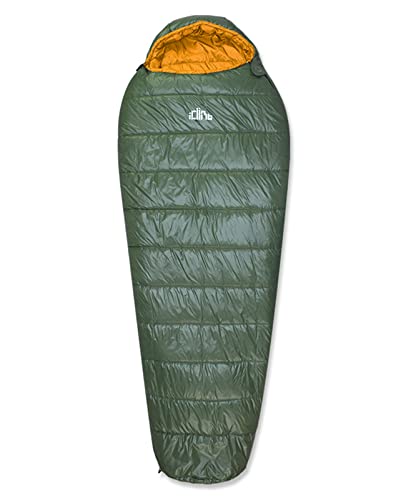
- Featherless 3M Thinsulate insulation
- 2.4-pound weight with compression sack
- Comfort rating of 41°F
Best For: Mild three-season backpacking and damp-prone trips
Warm-Weather Budget Pick
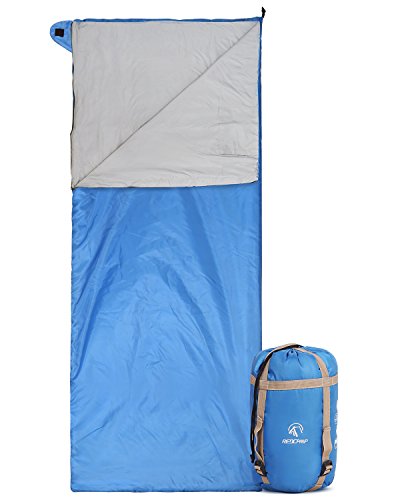
- 1.5-pound synthetic sleeping bag
- Packs to 7.9 by 4.7 inches
- Comfort-rated at 68°F
Best For: Summer camping, travel, and warm-weather backpacking
Best Down Pick
Naturehike 650-Fill Ultralight Sleeping Bag

- 1.3-pound RDS-certified down design
- Compact 4.7-by-10.2-inch packed size
- Comfort rating around 52°F
Best For: Three-season backpackers seeking low weight and compact down insulation
Best Roomy Synthetic Pick
Naturehike Compact Envelope Sleeping Bag

- 1.68-pound compact synthetic design
- Roomy 80.7-by-33.5-inch envelope shape
- Includes a compression sack
Best For: Travelers and campers wanting extra room with manageable packed size
Best All-Season Value

- 20°F rating for cooler camping
- Soft liner and roomy footbox
- Includes compression sack
Best For: Campers wanting extra warmth and mummy-bag comfort
Lightest Warm-Weather Pick
Compact 1.5-Pound Sleeping Bag

- Weighs just 1.5 pounds
- Designed for 50–70°F conditions
- Converts to a blanket or connects to another bag
Best For: Warm-weather trips where low weight and versatility matter
Best Compact Envelope Design
ECOOPRO Warm Weather Sleeping Bag
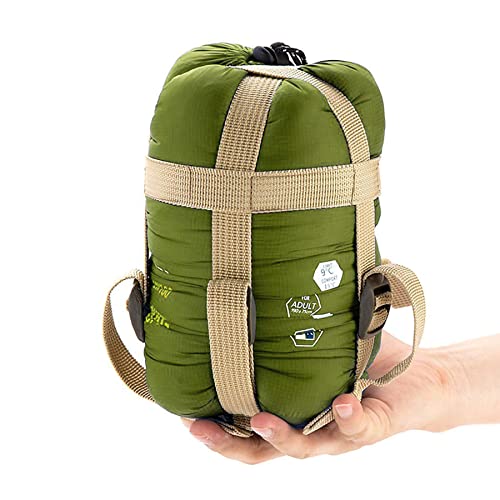
- 1.5-pound packable design
- Roomy 83-by-30-inch dimensions
- Waterproof nylon shell and comforter use
Best For: Mild-weather campers wanting roominess and easy packing
Cold-Weather Down Pick – Naturehike CW700/CW1000 Down Sleeping Bag
For hikers comparing ultralight sleeping bags for colder conditions, this Naturehike down model emphasizes insulation, draft protection, and flexible sizing. Its RDS-certified 650-fill duck down, mummy-envelope hybrid design, and compressible construction make it a capable option for cold-weather camping, though its 2.37- to 2.9-pound weight is higher than some warmer-weather choices.
Best For: Backpackers and campers who prioritize cold-weather warmth and a roomier semi-rectangular shape.
Pros:
- RDS-certified 650-fill duck down with 700g of fill and 85% down content.
- U-neck collar and dual wind bars help reduce heat loss around the neck and zipper areas.
- Can unfold into a down blanket and comes in medium and large sizes.
- 400T 20D ripstop nylon shell, YKK zippers, and a one-year manufacturer warranty.
Cons:
- Heavier and bulkier than the lightest warm-weather ultralight sleeping bags.
- Temperature guidance varies by model; buyers should distinguish the CW700 and CW1000 ratings.
- Works best when fully lofted before use and paired with a sleeping pad.
This is the most insulation-focused choice in the group. Choose it when cold nights matter more than minimizing pack weight, and verify the selected model’s rating before purchasing.
Washable Synthetic Pick – iClimb 3M Thinsulate Sleeping Bag
This iClimb model is one of the more practical ultralight sleeping bags for backpackers who want synthetic insulation, compact packing, and easier care. The 3M Thinsulate fill is featherless and water resistant, while the 2.4-pound weight and included compression sack keep it suitable for three-season trips.
Best For: Backpackers seeking a washable, synthetic three-season bag with comfort features for regular outdoor use.
Pros:
- 3M Thinsulate insulation is featherless, lightweight, and absorbs less than 1% of its weight in water.
- 20D nylon shell, double-layer construction, draft collar, and curved baffles help limit heat loss.
- Includes a compression sack and packs to approximately 10.6 by 7.9 inches.
- Features a pillow sleeve, 3D footbox, internal pocket, two-way YKK zippers, and machine-washable care guidance.
Cons:
- Its 41°F comfort rating is intended for milder three-season conditions rather than deep cold.
- At 2.4 pounds, it is not as light as the ZOOOBELIVES down option.
- Machine washing requires a large front-loading washer and delicate-care procedure.
The iClimb balances warmth, durability, and maintenance convenience. It is a sensible choice for users who prefer synthetic insulation or expect damp conditions, provided the 41°F comfort rating fits the trip.
Lightest Down Pick – ZOOOBELIVES AlpliveT400 Sleeping Bag
For shoppers focused on pack weight, the ZOOOBELIVES AlpliveT400 stands out among these ultralight sleeping bags at just 27 ounces. Its 650-fill down provides mild three-season warmth, while the footbox zipper, quilt conversion, and wearable design add flexibility around camp.
Best For: Weight-conscious backpackers camping in mild conditions who value versatile ventilation and quilt-style use.
Pros:
- Weighs 27 ounces and compresses to approximately 11.8 by 6.7 inches.
- 650-fill down provides a 50°F comfort rating and 32°F lower limit.
- Separate footbox zipper allows ventilation, and the bag can unzip flat as a quilt or blanket.
- Fits users up to 6 feet 2 inches and can zip together with a compatible AlpliveT400 bag.
Cons:
- The 50°F comfort rating limits it to relatively mild nights for many sleepers.
- Its 79-inch length may be restrictive for users taller than the stated 6-foot-2-inch recommendation.
- It offers less cold-weather margin than the Naturehike option.
This is the strongest pick when every ounce matters. Its low weight and convertible design are appealing for summer and mild shoulder-season trips, but buyers should plan around the comfort rating rather than the lower limit.
Warm-Weather Budget Pick – REDCAMP Compact Sleeping Bag
The REDCAMP is a straightforward option for warm-weather camping, travel, and summer backpacking. Among these ultralight sleeping bags, it combines a 1.5-pound weight with a very small 7.9-by-4.7-inch compressed size, while its rectangular shape and reverse zipper support flexible use as a double bag or blanket.
Best For: Summer campers and travelers who want an inexpensive, lightweight synthetic bag for temperatures from 59°F to 77°F.
Pros:
- Weighs 1.5 pounds and packs into an included compressed sack.
- Comfort-rated at 68°F for a stated 59°F to 77°F temperature range.
- Reverse two-way zipper allows two bags to attach or the bag to open as a quilt or blanket.
- Provides a roomy rectangular 75-by-32.5-inch design and includes a 365-day limited warranty.
Cons:
- Its warm-weather rating is not intended for cold or shoulder-season camping.
- Polyester synthetic insulation is less suited to cold conditions than the down options in this roundup.
- The 75-inch length is recommended for users up to about 6 feet.
The REDCAMP makes the most sense for summer trips where low weight, small packed size, and versatility matter more than maximum insulation. It is a practical warm-weather alternative rather than a cold-night sleeping bag.
Best Down Pick – Naturehike 650-Fill Ultralight Sleeping Bag
For backpackers prioritizing low weight and compact packing, this Naturehike model is one of the more technical ultralight sleeping bags in the roundup. It uses RDS-certified 650-fill duck down, weighs 1.3 pounds, and is rated for comfort around 52°F with a 42.8°F limit.
Best For: Three-season hikers and campers who want a lightweight down bag for mild-to-cool conditions.
Pros:
- Very light 1.3-pound weight and compact 4.7-by-10.2-inch storage size
- 650-fill, 295-gram duck-down insulation with individual down channels
- Water-repellent 20D nylon, YKK two-way zipper, and neck draft control
Cons:
- Temperature rating is intended for mild three-season conditions, not deep cold
- Short and medium sizing options require careful measurement before purchase
- Down insulation generally needs more moisture care than synthetic fill
This is the strongest choice here for weight-conscious backpacking, especially when pack space matters. Confirm the size chart and expected overnight temperatures before buying.
Best Budget Camping Bag – Oaskys Three-Season Sleeping Bag
The Oaskys is a practical option for casual camping and general outdoor use. Among these ultralight sleeping bags, it is the heaviest at 3 pounds, but its weather-resistant polyester construction, hood, and compression sack make it a versatile value-oriented choice.
Best For: Car camping, family outings, and occasional hiking in mild spring, summer, and fall weather.
Pros:
- Three-season design intended for roughly 50–80°F conditions
- Waterproof, breathable outer fabric with polyester fill
- Adjustable hood, foot-opening zipper, and included compression sack
Cons:
- At 3 pounds, it is less suitable for weight-sensitive backpacking
- Polyester insulation is bulkier than the down option in this roundup
- Supplied temperature information is broad, so cold sleepers may want extra margin
The Oaskys makes more sense as an affordable, easy-to-use camping bag than as a true ultralight backpacking specialist. Choose it when durability, weather resistance, and included carry features matter more than minimum pack weight.
Best Roomy Synthetic Pick – Naturehike Compact Envelope Sleeping Bag
This Naturehike envelope bag balances portability with a roomier sleeping area. It weighs 1.68 pounds, compresses to about 5 by 12 inches, and uses imitation-silk cotton insulation for camping, travel, and hiking in relatively moderate conditions.
Best For: Campers and travelers who want a roomy synthetic sleeping bag that packs smaller than traditional bulky designs.
Pros:
- 1.68-pound weight with a compact included compression sack
- Spacious 80.7-by-33.5-inch envelope-style dimensions
- Durable fabric, reinforced seams, and tested zippers
Cons:
- Heavier than the Naturehike down model
- Imitation-silk cotton insulation is less weight-efficient than down
- Its 59°F/32°F rating is better suited to moderate conditions than severe cold
For travelers who dislike restrictive mummy-style bags, this is a comfortable compromise. Its synthetic construction and generous dimensions make it approachable for general camping, while the compression sack keeps transport manageable.
Best All-Season Value – Teton 20F Mummy Sleeping Bag
For shoppers comparing ultralight sleeping bags, the Teton 20F offers a practical balance of warmth, compressibility, and comfort. Its synthetic microfiber insulation, roomy footbox, and included compression sack make it suitable for backpacking, hiking, and camping, though its 2.9-pound weight is heavier than the lightest warm-weather options.
Best For: Campers and backpackers who want a warmer, mummy-style bag with a comfortable fit and convenient packing.
Pros:
- 20°F temperature rating for cooler conditions
- Microfiber insulation provides loft and compressibility
- Roomy footbox, soft liner, and zipper draft tube improve comfort
- Includes a compression sack and has hang loops for storage
Cons:
- At 2.9 pounds, it is not the lightest choice for ultralight trips
- Its 72-inch recommended height may be limiting for taller users
The Teton is a strong choice when warmth and sleep comfort matter more than minimizing every ounce. Choose it over the lighter warm-weather bags if you expect cooler nights or prefer a mummy shape.
Lightest Warm-Weather Pick – Compact 1.5-Pound Sleeping Bag
If low pack weight is your priority, this 1.5-pound option is one of the more portable ultralight sleeping bags in the group. It is designed for warm conditions from 50 to 70°F and includes a compression sack, while its two-way zipper lets you use it as a blanket or connect it to another bag.
Best For: Warm-weather hikers, campers, scouts, and travelers who want a lightweight, adaptable sleeping bag.
Pros:
- Weighs only 1.5 pounds for easier carrying
- Compression sack helps save backpack space
- Two-way zipper supports pairing the bags or using the bag as a blanket
- Separate foot zippers and pinch-resistant zippers add ventilation and convenience
Cons:
- 50–70°F range makes it unsuitable for colder nights
- Cotton fill may not suit shoppers specifically seeking synthetic or down insulation
- 75-inch length may be restrictive for some taller adults
This is the best fit when portability and versatility outweigh cold-weather performance. Its warm-weather range makes it especially useful for summer camping, short hikes, travel, and backup use.
Best Compact Envelope Design – ECOOPRO Warm Weather Sleeping Bag
The ECOOPRO is a compact envelope-style option for shoppers seeking ultralight sleeping bags for mild-weather camping. Its nylon shell is described as waterproof and durable, and the 1.5-pound bag compresses to about 11 inches in height for easier transport.
Best For: Backpackers, hikers, scouts, and campers who prefer an easy-to-pack envelope bag for mild conditions.
Pros:
- Lightweight 1.5-pound design
- 83-by-30-inch dimensions provide a roomy fit for many adults
- Nylon outer material is waterproof and durable
- Can also function as a camping comforter
Cons:
- Designed for mild conditions around 55–60°F
- Envelope shape is less thermally efficient than a mummy design
- The supplied notes do not specify a formal temperature rating scale
The ECOOPRO offers useful interior space and easy packing at a low weight. It is a sensible warm-weather choice, but colder-weather campers should consider a bag with a more substantial temperature rating.
How We Picked the Best Ultralight Sleeping Bags
We selected these bags based on the features that matter most to backpackers and campers: packed size, listed weight, temperature range, insulation, construction, water resistance, and included compression or storage accessories. The selection covers down and synthetic designs, mummy and envelope shapes, and options ranging from warm-weather sleep systems to colder three-season bags.
Product specifications can vary by size and seller, so verify the current weight, dimensions, fill details, and temperature rating before buying. Treat comfort ratings as the most useful comparison point, rather than assuming a lower-limit rating guarantees comfortable sleep.
Quick Comparison
| Best For | What to Prioritize |
|---|---|
| Summer backpacking | Low weight, compact packed size, and a comfort rating around 50°F or higher |
| Three-season trips | A comfort rating near 32°F to 50°F, efficient insulation, and a draft-resistant shape |
| Cold-weather camping | A lower temperature rating, hooded mummy design, and adequate insulation loft |
| Wet or humid conditions | Quick-drying synthetic insulation or water-resistant down and shell fabric |
| Budget camping | Durable materials, practical compression, and a rating suited to local conditions |
Key Buying Factors for Ultralight Sleeping Bags
Temperature Rating
Choose a comfort rating based on the coldest nights you expect, not the warmest daytime conditions. Ratings are affected by clothing, sleeping pads, shelter, humidity, and personal metabolism. A properly insulated sleeping pad is essential because it reduces heat loss to the ground.
Weight and Packed Size
Down generally offers the best warmth-to-weight ratio and compresses efficiently, making it attractive for long-distance backpacking. Synthetic bags are often less expensive and continue insulating better when damp, but they usually weigh and pack larger.
Shape and Fit
Mummy bags typically conserve heat more effectively, while rectangular or envelope designs offer more room for sleepers who move around. Check shoulder, hip, and foot dimensions, especially if you plan to wear layers inside the bag.
Weather Protection and Construction
Look for a durable shell, a reliable zipper, draft protection, and a hood when camping in cooler weather. Water-resistant materials help with condensation and light moisture, but no sleeping bag replaces a dry shelter.
Who Should Buy Which Ultralight Sleeping Bags?
Choose a lightweight warm-weather bag if you mostly camp in summer or travel in hot, dry regions. Pick a compact down model when every ounce matters and you can protect the bag from prolonged moisture. A synthetic option is often the better choice for humid climates, casual camping, or buyers who prioritize easier care and lower cost.
For shoulder-season trips, select a three-season bag with enough reserve warmth for unexpected temperature drops. Cold-weather campers should focus first on an appropriate temperature rating, hood, draft control, and sleeping-pad insulation; shaving a few ounces is less important than staying warm and sleeping safely.