A weighted vest can make push-ups, pull-ups, dips, squats, and walking more challenging without requiring a barbell or dumbbells. The right model should stay secure during movement, distribute load comfortably, and let you increase resistance as your strength improves.
We selected 10 weighted vests with different capacities, adjustment systems, and comfort features so you can match your equipment to your training level, exercise style, and budget.
Best 10 Weighted Vest for Calisthenics Picks for 2026
Most Adjustable
40 lb Weighted Vest for Calisthenics
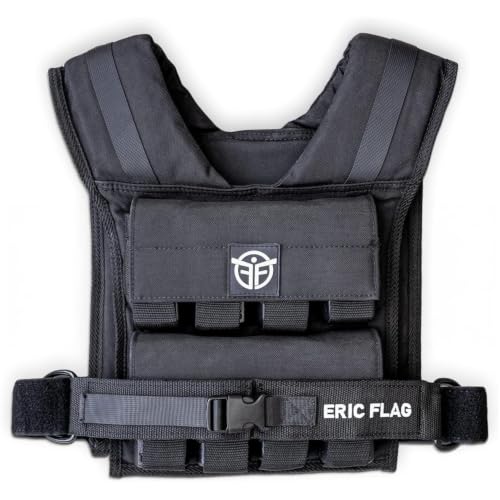
- 16 removable 2.4 lb iron weights
- Adjusts up to 40 lb
- Durable 1000D Oxford nylon
Best For: Progressive training with precise load changes
Best Heavy-Duty Range
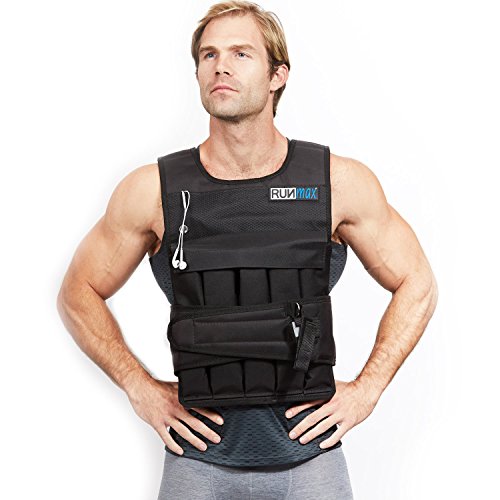
- Options from 12 to 60 lb
- Removable weights for adjustable intensity
- Lifetime warranty included
Best For: Users planning heavier strength and conditioning work
Best Compact Design

- Adjusts from 0 to 35 lb
- Compact, low-bulk construction
- Reinforced stitching and buckles
Best For: Compact calisthenics, HIIT, and rucking workouts
Simple Incremental Pick

- Adjusts in 4 lb increments
- Maximum load of 40 lb
- Attached belt simplifies setup
Best For: Straightforward adjustable strength and cross-training
Best for Progressive Overload
HANZO Adjustable Weighted Vest

- Removable weights support gradual progression
- Padded, balanced design helps limit shifting
- Durable 1000D nylon construction
Best For: Calisthenics athletes building resistance over time
Best for High-Capacity Training
RUNmax Adjustable Weighted Vest

- Supports configurations from 20 to 150 pounds
- Adjustable fit for 28–48-inch chests
- Lifetime warranty against defects
Best For: Advanced progressive overload and demanding cross-training
Best for Beginners and Outdoor Workouts

- Available in lighter loads from 6 to 30 pounds
- Evenly distributed iron-sand resistance
- Reflective strips and storage pockets
Best For: Introductory calisthenics and outdoor conditioning
Best Adjustable Iron-Weight Pick

- Removable iron weights in three load ranges
- No-bounce fit with padded shoulders
- Reflective strips and durable 900D fabric
Best For: Progressive calisthenics, HIIT, and running
Best Heavy-Duty Pick

- Adjusts from 2.5 to 40 pounds
- Padded shoulders and adjustable waist belt
- Works for calisthenics, cardio, and walking
Best For: Whole-body resistance and conditioning workouts
Best Durable High-Intensity Pick

- Removable 2.5-pound cast-iron blocks
- Heavy-duty 1000D nylon construction
- Secure, breathable, reflective design
Best For: High-rep calisthenics, rucking, and running intervals
Most Adjustable – 40 lb Weighted Vest for Calisthenics
The ERIC FLAG is a practical weighted vest for calisthenics when you want precise progression. Its 16 removable 2.4-pound iron weights let you adjust the load up to 40 pounds for pull-ups, dips, walking, running, and strength work.
Best For: Athletes who want fine-grained weight adjustments and a durable, one-size-fits-all vest.
Pros:
- Adjusts from an empty vest up to 40 pounds using 16 removable weights.
- Weights are distributed across eight front and eight back pockets.
- 1000D Oxford nylon is designed to resist tearing and abrasion.
- Adjustable straps support a snug fit for different body sizes.
Cons:
- Requires removing the iron weights before hand washing.
- The full 40-pound load may be demanding for newer users.
With its broad adjustment range and compact construction, this vest suits progressive calisthenics training, though users should add weight gradually.
Best Heavy-Duty Range – RUNmax Pro Weighted Vest
The RUNmax Pro offers several weight configurations, making it a flexible weighted vest for calisthenics and general conditioning. Removable weights, front-and-back distribution, and an optional shoulder-pad style support varied workout needs.
Best For: Fitness enthusiasts who want a vest available in multiple maximum-weight options, including a 60-pound version.
Pros:
- Available in multiple load options from 12 to 60 pounds.
- Removable weights allow workout intensity to be adjusted.
- Front-and-back pockets are designed for equal weight distribution.
- Includes a lifetime warranty according to the supplied product notes.
Cons:
- The supplied listing does not specify the exact removable-weight increments.
- Heavier configurations can be substantial for bodyweight movements.
This is a versatile choice for users who may progress toward heavier loaded training, especially if warranty coverage is a priority.
Best Compact Design – MVRK Adjustable Weighted Vest
The MVRK weighted vest is built for users who want a compact weighted vest for calisthenics with a no-bounce focus. Its removable iron blocks let you scale from an empty vest to 35 pounds for calisthenics, HIIT, rucking, running, and walking.
Best For: Trainees who value a compact profile, adjustable loading, and reinforced construction for demanding sessions.
Pros:
- Scales from 0 to 35 pounds with 16 removable iron weights.
- Compact design is intended to reduce bulk and preserve range of motion.
- Reinforced stitching and heavy-duty buckles support loaded training.
- Eight front and eight back weights help provide even distribution.
Cons:
- Its maximum load is 35 pounds, below some heavier vest options.
- Weights must be removed before hand washing.
The MVRK is a strong fit for progressive bodyweight and conditioning workouts when a compact, reinforced vest matters more than maximum load.
Simple Incremental Pick – RUNFast 40 lb Weighted Vest
The RUNFast 40 lb is a straightforward weighted vest for calisthenics for users who want an adjustable load without a complicated setup. It increases in 4-pound increments and uses a one-piece design with an attached belt.
Best For: Adults seeking a simple, adjustable vest for cross-training, strength training, and bodyweight workouts.
Pros:
- Adjusts in 4-pound increments up to 40 pounds.
- One-size-fits-all design is intended for broad usability.
- Attached belt supports easy setup.
- Suitable for cross-training, strength training, and workouts.
Cons:
- Its 4-pound increments offer less fine adjustment than smaller weight blocks.
- The supplied notes do not describe removable weights or separate shoulder padding.
This vest keeps the loading system simple and provides a useful 40-pound ceiling, making it a sensible option for uncomplicated progressive training.
Best for Progressive Overload – HANZO Adjustable Weighted Vest
If you want a weighted vest for calisthenics that can grow with your training, the HANZO offers removable iron weights and a load of up to 45 pounds. Its padded shoulders, balanced profile, and reinforced nylon construction make it suited to push-ups, pull-ups, dips, squats, running, and conditioning work.
Best For: Lifters and calisthenics athletes who want adjustable resistance for long-term progression.
Pros:
- Removable weights allow lighter or heavier training sessions.
- Double-padded shoulders and a balanced profile support a secure fit.
- Includes the full set of weight bricks for immediate use.
- Reinforced 1000D Oxford nylon and heavy-duty stitching are designed for repeated use.
Cons:
- The listed 45-pound model weighs 20 kg, so it may feel substantial during extended sessions.
- Its heavier capacity may be more than beginners need.
The HANZO is a strong choice when progressive overload is the priority. The adjustable load lets you scale resistance across bodyweight exercises, while the durable build is aimed at frequent training.
Best for High-Capacity Training – RUNmax Adjustable Weighted Vest
The RUNmax is a high-capacity weighted vest for calisthenics and cross-training, with removable weights and configurations ranging from 20 to 150 pounds. Adjustable straps, optional shoulder pads, breathable mesh, and individual secured weight pockets make it adaptable for pull-ups, dips, running, obstacle courses, and strength work.
Best For: Experienced athletes, military-style training, and users who need a vest with substantial load capacity.
Pros:
- Removable weights allow gradual progression from 20 pounds upward.
- Adjustable straps fit reported chest sizes from 28 to 48 inches.
- Breathable mesh, reflective strips, and optional shoulder pads add training versatility.
- Includes a lifetime warranty against defects.
Cons:
- The supplied model is the 40-pound version without shoulder pads.
- The higher-capacity design may be excessive for beginners or lighter calisthenics sessions.
RUNmax stands out for its unusually broad weight range and training versatility. It is most compelling for users who expect to increase resistance substantially and value a customizable fit.
Best for Beginners and Outdoor Workouts – ZELUS Weighted Vest
The ZELUS is a straightforward weighted vest for calisthenics, available in several lighter configurations from 6 to 30 pounds. Its evenly distributed iron sand, adjustable buckle straps, reflective stripes, and storage pockets make it practical for introductory resistance training, jogging, rope work, and everyday conditioning.
Best For: Beginners and general fitness users who want moderate, evenly distributed resistance.
Pros:
- Multiple weight options make it easier to choose a manageable starting load.
- Evenly distributed iron sand is designed to add resistance without bulky equipment.
- Adjustable straps fit reported chest sizes from 31.5 to 45 inches.
- Reflective strips and storage pockets support outdoor use.
Cons:
- The supplied model is the 12-pound version, with less capacity than heavier adjustable vests.
- It uses fixed iron-sand resistance rather than removable weight bricks.
With its moderate 12-pound load and simple buckle adjustment, the ZELUS is approachable for adding resistance to bodyweight movements. Choose it when comfort, visibility, and everyday versatility matter more than maximum loading.
Best Adjustable Iron-Weight Pick – ZELUS 23–45 lb Weighted Vest
The ZELUS vest is a practical weighted vest for calisthenics when you want to increase resistance gradually. Its removable iron weights let you choose 23, 36, or 45 pounds, while the no-bounce design is suited to controlled bodyweight movements, HIIT, and running.
Best For: Progressive calisthenics training, HIIT, running, and users who want clean, removable iron weights.
Pros:
- Three load options with removable 2.1-pound iron weights support gradual progression.
- Modular pockets, foam padding, and wide shoulders help limit shifting and improve comfort.
- Durable 900D fabric, reflective strips, and hand-washable construction add practical versatility.
Cons:
- The listed configuration is relatively substantial for beginners starting with bodyweight work.
- Weights must be removed before hand washing.
Choose this model if adjustable loading and a secure, padded fit matter more than keeping the vest ultralight. Its iron-weight design also avoids the sand-leakage concern mentioned in the product notes.
Best Heavy-Duty Pick – CAP Adjustable Weighted Vest
The CAP vest is a weighted vest for calisthenics and conditioning that lets you adjust resistance from 2.5 to 40 pounds in the supplied configuration. Its individual iron-ore-filled packets make it suitable for gradually adding load to push-ups, squats, lunges, walking, and running.
Best For: Men and women who want an adjustable whole-body training vest for resistance work and cardio.
Pros:
- Adjustable resistance from 2.5 to 40 pounds supports beginner-to-advanced progression.
- Adjustable waist belt and padded shoulders are designed for an even, stable fit.
- Reinforced nylon and polyester construction includes reflective stripes for low-light visibility.
Cons:
- The supplied model is a 40-pound vest, which may be more capacity than some users need.
- Its iron-ore-filled packets are not described as quick-release cast-iron blocks.
- The listed manufacturer warranty is limited to 30 days.
CAP is a flexible option for shoppers who want one vest to cover light resistance and heavier conditioning. The adjustable fit and broad exercise recommendations make it especially adaptable for mixed training routines.
Best Durable High-Intensity Pick – APEXUP 20–40 lb Weighted Vest
The APEXUP is a weighted vest for calisthenics built around removable 2.5-pound cast-iron blocks and a secure torso fit. Available in 20, 30, and 40-pound options, it is designed for loaded walks, pull-ups, push-ups, squats, running intervals, and other high-repetition training.
Best For: High-intensity calisthenics, rucking, running, and users prioritizing reinforced construction.
Pros:
- Removable cast-iron blocks allow 20-, 30-, or 40-pound loading options.
- 1000D nylon, reinforced stitching, and firmly seated weights are built for demanding use.
- Padded straps, an adjustable waist belt, breathable design, and reflective strips support outdoor training.
Cons:
- The 40-pound version is heavy and may be excessive for lighter calisthenics sessions.
- The product is listed as a men’s vest, although the notes identify the target audience as men and women.
This is a strong choice when durability and load security are central considerations. Its block-based adjustment gives you useful progression, while the reinforced shell suits repeated outdoor or high-rep sessions.
How We Picked the Best Weighted Vest for Calisthenics
We focused on the features that matter most during bodyweight training: adjustable resistance, secure fit, load distribution, construction quality, and ease of use. The lineup includes lighter vests for beginners and conditioning, as well as higher-capacity options for experienced athletes who need progressive overload.
We also considered whether a vest is practical for dynamic movements. Removable weights, adjustable straps, shoulder padding, reflective details, and no-bounce designs can make a noticeable difference during pull-ups, push-ups, running, and loaded walking.
Quick Comparison
- Best for flexible progression: Choose a vest with removable iron weights and a broad adjustment range.
- Best for beginners: Start with a lightweight fixed or lightly adjustable vest that will not compromise form.
- Best for heavy training: High-capacity models suit experienced users, but require careful fitting and gradual progression.
- Best for running or outdoor use: Look for reflective accents, stable straps, and minimal movement while exercising.
Key Buying Factors for a Weighted Vest for Calisthenics
Weight Range and Adjustability
Choose enough capacity for future progression, but do not assume the heaviest vest is the best choice. For most calisthenics users, small increments are more useful than a very high maximum load. Removable plates or iron weights also make it easier to adjust resistance between exercises.
Fit and Stability
A vest should sit close to your torso without restricting breathing or shoulder movement. Adjustable chest, waist, and shoulder straps help create a secure fit. For dips, jumps, and running, prioritize designs marketed as no-bounce or made with additional stabilization.
Comfort and Weight Distribution
Evenly distributed weight reduces pressure points and helps preserve natural movement. Padded shoulders can improve comfort with heavier loads, while breathable materials are useful for long sessions. Check the sizing range before buying, especially if multiple people will share the vest.
Build Quality and Practical Details
Inspect the stitching, closures, weight pockets, and adjustment hardware. Reflective strips are helpful for outdoor training, and removable weights make storage and cleaning simpler. A vest that is easy to load is more likely to be used consistently.
Who Should Buy Which Weighted Vest for Calisthenics?
Beginners and general fitness users should choose a lighter vest and focus on maintaining clean technique. Intermediate calisthenics athletes will usually benefit from a moderately adjustable model that supports progressive overload for pull-ups, dips, push-ups, and split squats. Advanced strength trainees can consider high-capacity vests, provided they already have strong movement fundamentals and increase load gradually.
If you plan to run or perform explosive exercises, favor a compact, stable vest over maximum capacity. For controlled strength work and loaded walks, a heavier adjustable model may offer more useful progression. Regardless of the style, begin with a manageable load, secure every strap, and stop if the vest changes your form or causes joint discomfort.