The best wooden plyometric boxes make jump training, step-ups, squats, and conditioning more versatile without taking up much gym space. This roundup compares 10 options across adjustable heights, construction, grip, and intended use.
Whether you are building a home gym or adding a reliable training platform to a commercial setup, use the guide below to match box design and height range to your workouts, available space, and experience level.
Best 10 Wooden Plyometric Boxes Picks for 2026
Versatile Training Pick
Rep 3-in-1 Wooden Plyometric Box

- Three adjustable heights from 12 to 16 inches
- Interlocking wood construction with numbered sides
- 400-pound maximum weight capacity
Best For: Progressive home or gym conditioning
Compact Strength Option
CAP Barbell 20-Inch 3-in-1 Plyo Box
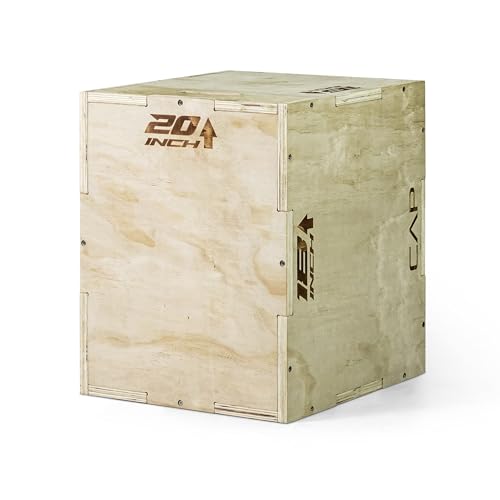
- Rotates between 16-, 18-, and 20-inch heights
- Engineered wood with interlocking joints
- Integrated carry handles and smooth edges
Best For: Home and garage-gym conditioning
High-Capacity Home Pick
Yes4All 3-in-1 Wooden Plyo Box

- 12-, 14-, and 16-inch height options
- 450-pound maximum weight capacity
- Pre-drilled puzzle-joint assembly design
Best For: Versatile indoor home workouts
Traction-Focused Pick
CAP Barbell 16-Inch 3-in-1 Plyo Box

- Rotates between 12-, 14-, and 16-inch heights
- Textured non-slip training surface
- Lightweight 15.4-pound engineered-wood design
Best For: Lower-height home conditioning and agility work
Best Adjustable Pick
Amazon Basics 3-in-1 Wooden Plyo Box

- Three heights: 12, 14, and 16 inches
- 450-pound maximum weight capacity
- Handles and pre-drilled holes aid setup and movement
Best For: Progressive home-gym workouts
Best Value 3-in-1
16-Inch Wooden Plyometric Jump Box
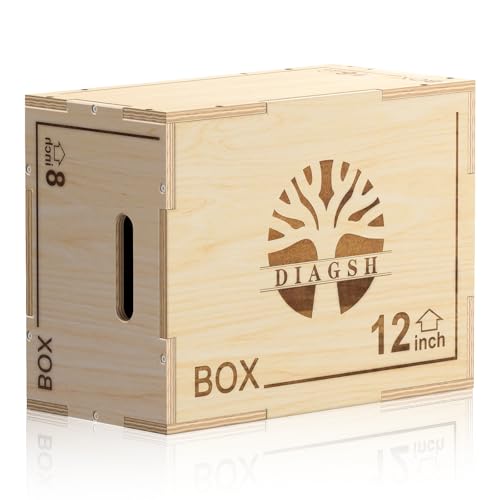
- Adjusts to 8, 12, or 16 inches
- Supports up to 400 pounds
- Designed for quick assembly with pre-drilled holes
Best For: Versatile home conditioning
Best Space-Saving Option
REP Stackable Wooden Plyo Platforms

- Stackable platforms help save gym space
- Available in lower heights for gradual progression
- Supports up to 400 pounds
Best For: Compact gyms and modular training
Best Compact Adjustable Pick

- Three height options: 12, 13, and 16 inches
- 400-pound stated weight capacity
- Non-slip top with handles and quick assembly
Best For: Compact home-gym workouts and varied beginner training
Best High-Capacity Value
Fitvids Non-Slip Wooden Plyo Box

- 450-pound stated weight capacity
- Three sizes with three height options each
- Puzzle-joint plywood construction and slip-free surface
Best For: Users wanting configuration flexibility and a higher capacity
Best Large-Height Training Option
Signature Fitness Wooden Plyo Box
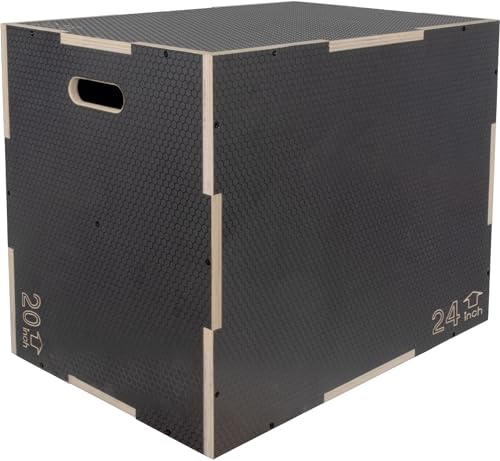
- Three height options: 20, 24, and 30 inches
- Non-slip surface for jumping exercises
- Two-year manufacturer warranty
Best For: Users seeking a taller box with room for advanced training
Versatile Training Pick – Rep 3-in-1 Wooden Plyometric Box
This Rep wooden plyometric box offers three training heights in one compact platform, making it useful for box jumps, step-ups, squats, and circuit workouts. Its interlocking wood panels, numbered sides, and smooth finish support quick, practical setup for home or gym training.
Best For: Athletes and home-gym users who want adjustable 12-, 14-, and 16-inch training heights in a compact box.
Pros:
- Three height options support progressive training.
- Interlocking puzzle-style panels are designed for a secure, wobble-free fit.
- Supports box jumps, step-ups, squats, and physical-therapy exercises.
- Rated for up to 400 pounds.
Cons:
- The supplied small configuration tops out at 16 inches.
- At 16 pounds, it may be less convenient to move than lighter compact boxes.
With its clearly marked sides and versatile height choices, this is a practical wooden plyometric box for users who value straightforward adjustments and broad exercise compatibility.
Compact Strength Option – CAP Barbell 20-Inch 3-in-1 Plyo Box
This CAP Barbell wooden plyometric box rotates between 16-, 18-, and 20-inch heights for jumps, step-ups, agility drills, and conditioning. Its engineered-wood construction, recessed hardware, and integrated handles make it suited to repeated home- or garage-gym use.
Best For: Adults seeking a medium-height plyo box with carry handles and a rigid engineered-wood platform.
Pros:
- Three height settings provide room for progressive workouts.
- Interlocking panels and countersunk screws create a secure assembled platform.
- Smooth edges and recessed hardware help reduce snag points.
- Built-in handles make repositioning easier.
Cons:
- Its maximum recommended load is 300 pounds.
- The available heights begin at 16 inches, which may be high for beginners.
This model is a balanced choice among wooden plyometric boxes when you want moderate height progression, a clean finish, and convenient handling for home training.
High-Capacity Home Pick – Yes4All 3-in-1 Wooden Plyo Box
The Yes4All wooden plyometric box combines 12-, 14-, and 16-inch height options with a 450-pound maximum capacity. Pre-drilled holes, puzzle joints, assembly instructions, and video tutorials make it a practical option for home workouts involving jumps, step-ups, split squats, and push-ups.
Best For: Home-gym users who want lower adjustable heights, a high stated weight capacity, and broad exercise versatility.
Pros:
- Three lower height settings accommodate different fitness levels.
- Durable plywood construction supports up to 450 pounds.
- Pre-drilled holes and puzzle joints simplify assembly.
- Wide handles and sanded edges improve handling and comfort.
Cons:
- It weighs 27 pounds, making it less portable than lighter options.
- It is primarily designed for indoor training.
- The supplied warranty description is limited to one year.
For shoppers prioritizing load capacity and beginner-friendly height choices, this is one of the more adaptable wooden plyometric boxes in the group.
Traction-Focused Pick – CAP Barbell 16-Inch 3-in-1 Plyo Box
This CAP Barbell wooden plyometric box provides 12-, 14-, and 16-inch training heights in a compact engineered-wood design. A textured non-slip surface adds traction for jumps and step-ups, while interlocking joints, smooth edges, and carry handles support regular conditioning workouts.
Best For: Users who want lower height progression and a textured surface for more confident foot placement.
Pros:
- Three approachable heights suit progressive plyometric training.
- Textured surface adds traction during jumps and step-ups.
- Interlocking construction and countersunk screws support stability.
- Integrated handles make the 15.4-pound box easier to reposition.
Cons:
- The maximum recommended load is 300 pounds.
- Its compact dimensions may provide less landing area than larger boxes.
This is a sensible wooden plyometric box for beginners and intermediate users who value lower heights, portability, and added surface traction during home workouts.
Best Adjustable Pick – Amazon Basics 3-in-1 Wooden Plyo Box
This Amazon Basics wooden plyometric box offers three clearly marked heights—12, 14, and 16 inches—so you can adjust workout difficulty for box jumps, step-ups, dips, and conditioning drills. Its 450-pound capacity, wide handles, and sanded edges make it a practical choice for indoor home-gym training.
Best For: Home-gym users who want one adjustable box for progressive workouts.
Pros:
- Three height options support beginner-to-advanced progression.
- Supports up to 450 pounds.
- Wide handles simplify repositioning, while sanded edges help reduce scratches.
- Pre-drilled and pilot holes make assembly more straightforward.
Cons:
- Designed primarily for indoor training.
- Assembly is required before use.
Choose this model if adjustable height and a higher listed weight capacity matter more than having a fixed or stackable platform.
Best Value 3-in-1 – 16-Inch Wooden Plyometric Jump Box
This 3-in-1 wooden plyometric box provides 8-, 12-, and 16-inch height options for jumps, squats, step-ups, HIIT, and conditioning. Its plywood construction supports up to 400 pounds, while pre-drilled holes are intended to make assembly quick.
Best For: Beginners and experienced athletes seeking a multi-height box for home training.
Pros:
- Three heights accommodate different skill levels and exercises.
- High-quality plywood construction supports up to 400 pounds.
- Pre-drilled holes are designed for setup in under 30 minutes.
- Suitable for jumps, squats, cardio, agility, and full-body conditioning.
Cons:
- Assembly is required.
- The supplied dimensions are presented in different orientations, so verify the setup before training.
This is a versatile option when you want a single wooden plyometric box that covers low, medium, and high training heights without stepping up to a larger platform.
Best Space-Saving Option – REP Stackable Wooden Plyo Platforms
Stackable Wood Plyometric Box for Jump Training, Fitness and Conditioning 4", 6", 8", and 12" set
Check Price On AmazonThese REP wooden plyometric platforms are available in compact height options, including 4, 6.8, and 12 inches, with stackable designs that suit smaller home gyms, garages, and studios. They can support step-ups, squats, jumps, push-ups, dips, agility drills, and stretching.
Best For: Compact workout spaces and users who prefer lower, stackable training platforms.
Pros:
- Stackable design helps conserve storage space.
- Multiple height options accommodate beginners, kids, and progressing athletes.
- Solid wood construction is intended for jumps, squats, and step-ups.
- Supports up to 400 pounds according to the supplied details.
Cons:
- Height and size details vary across the supplied listing information.
- Lower platforms may be less suitable for users seeking a tall jump box.
- The listing indicates a four-pack, so confirm the exact package contents before ordering.
Consider this set if storage flexibility and lower training heights are priorities. It is especially useful for modular home-gym routines that combine step-ups, balance work, and conditioning.
Best Compact Adjustable Pick – CAELUM 3-in-1 Wood Plyo Box
For shoppers comparing wooden plyometric boxes for home or gym workouts, the CAELUM 3-in-1 offers three height options—12, 13, and 16 inches—in a compact plywood design. Its puzzle joints, textured top, and side handles support practical use for jumps, step-ups, squats, push-ups, and dips.
Best For: Beginners and home-gym users who want a lightweight, adjustable box for varied strength and plyometric exercises.
Pros:
- Three height options for adjustable training.
- Rated for up to 400 pounds.
- Textured non-slip surface and sanded edges.
- Pre-drilled holes, included screws, and side handles support assembly and portability.
Cons:
- The 12-by-13-by-16-inch model does not have internal support.
- Its maximum height is 16 inches, which may not suit advanced users seeking higher jumps.
The CAELUM is a versatile, relatively light option with useful height flexibility. Check the specific size and support configuration before ordering, especially if you plan high-impact training or need a taller platform.
Best High-Capacity Value – Fitvids Non-Slip Wooden Plyo Box
The Fitvids wooden plyometric box is designed for shoppers who want adjustable training and a higher stated weight capacity. It uses puzzle-joint plywood construction, a slip-free surface, and three height options within each available size for box jumps, step-ups, and general strength work.
Best For: Home-gym users who prioritize a 450-pound capacity and want multiple size and height configurations.
Pros:
- 450-pound stated weight capacity.
- Available in three sizes, with three height options per size.
- Slip-free surface helps provide stability during jumps.
- Includes a two-year manufacturer warranty.
Cons:
- Assembly takes about 10 minutes.
- The supplied notes do not specify the exact height range for every size.
Fitvids stands out among these wooden plyometric boxes for its higher stated capacity and broad configuration choices. Confirm the selected size and dimensions before purchase so the platform matches your available workout space.
Best Large-Height Training Option – Signature Fitness Wooden Plyo Box
The Signature Fitness wooden plyometric box is aimed at users who want a larger training platform with three height positions: 20, 24, and 30 inches. Its non-slip surface and wood construction support box jumps, step-ups, and other exercises intended to build agility and strength.
Best For: More experienced users and home gyms with enough room for a larger, higher box.
Pros:
- Offers 20-, 24-, and 30-inch height options.
- Non-slip surface supports stability during jumping exercises.
- Suitable for box jumps, step-ups, and other plyometric movements.
- Includes a two-year manufacturer warranty.
Cons:
- The larger size requires more storage and workout space.
- The supplied notes do not state a weight capacity.
- Exact assembled dimensions are not provided beyond the 20-by-24-by-30-inch style listing.
This model is the tallest option in the group and may be a better match for users progressing to higher box jumps. Measure your space carefully and verify the listed size before committing to the larger platform.
How We Picked the Best Wooden Plyometric Boxes
We compared these Wooden Plyometric Boxes using the features that matter most during repeated training: construction quality, stability, usable height options, surface traction, assembly requirements, portability, and stated weight capacity. We also considered how well each design suits common movements such as box jumps, step-ups, split squats, incline push-ups, and conditioning drills.
Three-in-one boxes receive particular attention because rotating the box provides multiple jumping heights from one footprint. Smaller platforms and stackable designs may be more practical for beginners, low-impact work, or rooms with limited ceiling clearance.
Quick Comparison
- Best versatility: Choose a three-in-one box with three distinct heights.
- Best for beginners: Look for a lower starting height and a broad, stable landing surface.
- Best for compact spaces: Select a smaller or stackable platform that stores easily.
- Best for frequent, intense use: Prioritize thick plywood, reinforced joints, non-slip surfaces, and a clearly stated capacity.
- Best for mixed training: A medium-height box can support jumps, step-ups, split squats, and upper-body exercises.
Key Buying Factors for Wooden Plyometric Boxes
Height and Configuration
Height affects both training intensity and safety. A three-in-one box lets you begin at a lower setting and progress gradually, while a fixed-height platform can be simpler and more stable. Select a height that allows controlled landings rather than forcing you to jump beyond your current ability.
Construction and Weight Capacity
Look for plywood panels with reinforced seams, secure fasteners, and minimal flex. A heavier box generally resists sliding and tipping better, but weight capacity should still be checked against your body weight and the force of repeated landings. Published capacity ratings are useful, though they do not replace careful inspection.
Surface Grip and Stability
A textured or non-slip top helps keep feet planted, particularly during step-ups and sweaty conditioning sessions. Wide bases, solid side panels, rubber feet, and a level floor also improve stability. Leave enough clearance around the box for safe takeoffs and landings.
Assembly and Storage
Many wooden boxes require assembly. Check whether hardware, tools, and instructions are included, and inspect every joint before use. Handles or a manageable design make repositioning easier, while stackable platforms can simplify storage in smaller home gyms.
Who Should Buy Which Wooden Plyometric Boxes?
Beginners and general home users should choose a stable, lower-height box with a grippy surface and multiple height settings. Experienced athletes may prefer a taller, reinforced three-in-one model for progressive jumps and demanding conditioning. Small-space users should consider compact or stackable platforms that can slide under a rack or bench. Busy home or commercial gyms should prioritize durable joinery, a generous landing surface, easy cleaning, and a conservative weight rating.
Before each session, check for loose hardware, cracks, wobble, or a damaged grip surface. Start with step-ups or low jumps, land softly with bent knees, and increase height only when technique remains consistent.