A well-fitted leather weightlifting belt can provide dependable abdominal support and a stable feel during heavy squats, deadlifts, and presses. The best choice depends on more than leather construction: width, taper, padding, holes, and buckle design all affect performance.
We’ve gathered 10 leather weightlifting belts with different support profiles and adjustment systems so you can compare practical features before buying. Use the guide below to narrow the list by training goals, comfort preferences, and budget.
Best 10 Leather Weightlifting Belts Picks for 2026
Best Overall
Dark Iron Fitness Genuine Leather Belt
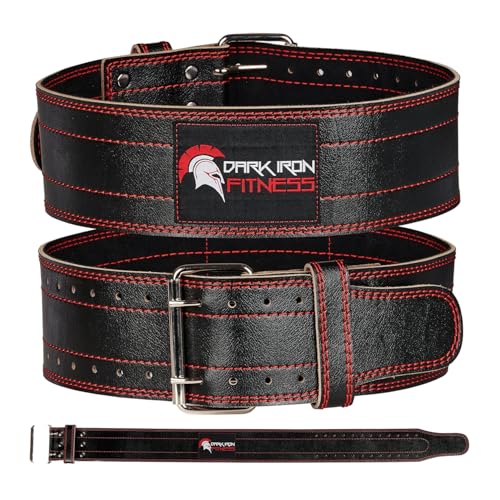
- Genuine leather with reinforced double-row stitching
- Double-prong buckle and 12 adjustment holes
- Supports 22-49-inch waist sizes
Best For: Versatile heavy lifting and strength training
Most Adjustable
4/6-Inch Double-Needle Leather Belt

- Choose between 4-inch and 6-inch widths
- Double rows of 10 adjustment holes
- Suede lining and foam lumbar padding
Best For: Customizable support and cushioned workouts
Best Lightweight Fit
Gymreapers Leather Weightlifting Belt

- 4-inch genuine leather construction
- Lightweight 1.5-pound form-fitting design
- Rolls up for compact gym-bag storage
Best For: Portable support with a less bulky feel
Best Cushioned Design
Harbinger Padded Leather Contoured Belt

- Foam cushioning with interior suede lining
- Tapered edges support improved range of motion
- Dual-prong steel roller buckle
Best For: Comfort-focused squats, deadlifts, and Olympic lifts
Adjustable Microfiber Pick
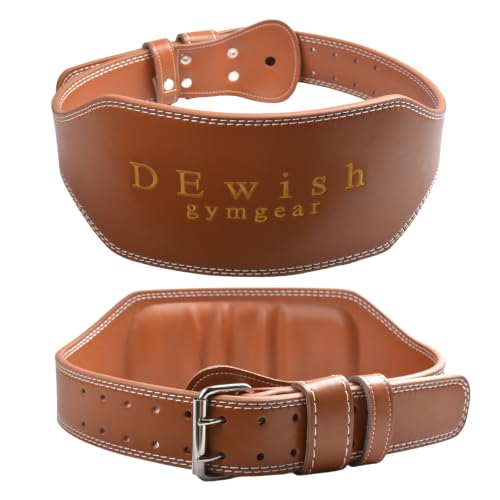
- Soft, durable vegan microfiber leather
- 4-inch padded lumbar support
- 10 holes for a precise fit
Best For: Comfort-focused gym training and adjustable support
Suede-Lined Support Pick

- Double-sided genuine leather construction
- Suede lining adds comfort and padding
- Reinforced stitching for heavy use
Best For: Daily strength training with a softer interior
Precision Fit Pick
- 100% genuine leather construction
- 12 holes for precise adjustment
- Double-prong buckle with keeper loop
Best For: Versatile powerlifting and strength training across sizes
Comfort-Focused Pick
Genuine Leather Suede-Lined Belt
- Double-sided leather with 7 mm thickness
- Suede lining for added comfort
- Reinforced stitching for regular training
Best For: Daily lifters seeking a padded, adjustable leather belt
Adjustability Pick

- 7 mm genuine cowhide leather
- 10 holes for precise adjustment
- Suede lining and padded lumbar support
Best For: Lifters needing flexible fit for varied strength workouts
Extended-Size Pick
- XL fit for 32–37-inch true waist
- 7 mm cowhide leather construction
- Padded 4-inch back with suede lining
Best For: Larger-waisted lifters training with heavy compound movements
Best Overall – Dark Iron Fitness Genuine Leather Belt
For lifters seeking dependable leather weightlifting belts, the Dark Iron Fitness model combines genuine leather, reinforced stitching, and a secure double-prong buckle. Its 4-inch width and 12 adjustment holes are designed to provide stable support across squats, deadlifts, powerlifting, and general strength training.
Best For: Lifters who want a versatile, heavy-duty belt with broad sizing options and a secure double-prong closure.
Pros:
- Genuine leather construction with reinforced double-row stitching.
- Double-prong metal buckle helps prevent slipping during heavy lifts.
- Available in sizes covering 22-49-inch waists, with 1-inch adjustment intervals.
- Suitable for powerlifting, CrossFit, bodybuilding, and manual-labor support.
Cons:
- The 4-inch width may feel restrictive for some Olympic-lifting movements.
- Leather requires wiping and occasional conditioning for maintenance.
This is a strong all-purpose choice for people prioritizing durable materials, secure adjustment, and broad compatibility across training styles.
Most Adjustable – 4/6-Inch Double-Needle Leather Belt
This leather weightlifting belt offers a choice of 4-inch or 6-inch support, double rows of adjustment holes, and a strong dual-pin steel buckle. A suede lining and foam lumbar pad add cushioning for squats, deadlifts, bodybuilding, and functional training.
Best For: Lifters who want adjustable width options, extensive sizing, and added interior cushioning.
Pros:
- Available in 4-inch and 6-inch widths for different support preferences.
- Double rows of 10 holes provide flexible adjustment.
- Steel two-pin buckle is designed for secure tensioning.
- 7mm suede lining and foam lumbar padding improve wearing comfort.
Cons:
- The product has a relatively limited listed waist range of 28-44 inches.
- The wider 6-inch configuration may feel bulky during movements requiring more mobility.
With its width choices and padded interior, this model is a practical option for users who want to balance firm core support with a more cushioned fit.
Best Lightweight Fit – Gymreapers Leather Weightlifting Belt
Gymreapers is a practical pick among leather weightlifting belts for users who want full-width support without a particularly bulky feel. The 4-inch genuine leather belt weighs 1.5 pounds, includes numerous adjustment holes, and uses a lightweight metal buckle for a close-fitting design.
Best For: Lifters who value a lightweight, form-fitting belt that is easy to roll up and store in a gym bag.
Pros:
- Real reinforced leather and stitching are designed for lasting use.
- 4-inch form-fitting design supports the back, spine, and core.
- Lightweight metal buckle is intended to minimize interference.
- Rolls up for compact post-workout storage.
Cons:
- The listed waist size and product measurements provide less sizing detail than some alternatives.
- Its lightweight design may not appeal to lifters seeking an especially rigid belt.
This belt stands out for portability and comfort, making it well suited to lifters who want reliable support without carrying a large, rigid accessory.
Best Cushioned Design – Harbinger Padded Leather Contoured Belt
The Harbinger padded leather belt is designed for lifters who want structured support with added cushioning. Its genuine leather construction, interior suede lining, foam padding, tapered edges, and dual-prong steel roller buckle suit heavy lifting while helping reduce bulk during Olympic and strength-training movements.
Best For: Lifters who want padded comfort, contoured mobility, and a heavy-duty buckle for squats and deadlifts.
Pros:
- Genuine leather construction stabilizes the back and core.
- Interior foam cushioning and suede lining add comfort.
- Tapered edges improve range of motion and reduce bulk.
- Dual-prong steel roller buckle allows secure tensioning and adjustment.
Cons:
- The supplied details do not specify a complete waist-size range.
- Its padded, contoured construction may be more substantial than a minimalist belt.
Harbinger is a compelling choice when cushioning and movement-friendly shaping matter as much as traditional leather support, particularly for demanding lifting sessions.
Adjustable Microfiber Pick – 10-Hole Double-Prong Belt
This leather weightlifting belt uses sturdy vegan microfiber leather, a 4-inch lumbar pad, and 10 adjustment holes to help you find a secure fit for squats, deadlifts, and other strength exercises. Measure around your navel rather than relying on your pants size, and size up if you fall between ranges.
Best For: Lifters who want a flexible, adjustable belt with a padded feel and double-prong security.
Pros:
- Vegan microfiber leather is described as durable, soft, and flexible.
- Four-inch thickened lumbar padding supports the waist and back.
- Ten precision-drilled holes allow detailed fit adjustment.
- Double-prong stitching, four rivets, and a roller buckle reinforce usability.
Cons:
- It is vegan microfiber leather rather than genuine leather.
- Correct sizing requires a navel measurement, which differs from typical waist or pants sizing.
With its broad support area, padded construction, and numerous adjustment points, this model is a practical choice for general gym training when comfort and fit flexibility matter.
Suede-Lined Support Pick – Genuine Leather Gym Belt
This genuine leather weightlifting belt combines double-sided leather with a suede inner lining for a supportive but more comfortable contact surface. Its widened design and reinforced stitching suit weightlifting, cross-training, and everyday fitness, provided you measure your true waist over the belly button before ordering.
Best For: Lifters seeking genuine leather construction with a suede lining for added comfort during regular training.
Pros:
- Double-sided leather is designed for strength and durability.
- Suede lining adds padding and helps protect the skin.
- Reinforced top stitching supports repeated high-strength use.
- Adjustable buckle sizing accommodates several waist ranges from S through XXL.
Cons:
- The supplied sizing information emphasizes true waist measurement rather than pants size.
- The widened structure and 6-inch dimensions may feel substantial for lifters who prefer a less bulky belt.
This belt stands out for its genuine leather build and suede comfort layer, making it a solid everyday option for users who want firm lower-back and abdominal support without a bare leather interior.
Precision Fit Pick – Dark Iron 4-Inch Leather Belt
This 4-inch genuine leather weightlifting belt is built around reinforced double-row stitching, a double-prong buckle, and 12 adjustment holes spaced at 1-inch intervals. It covers waist sizes from 22 to 49 inches, making it a versatile option for powerlifting, deadlifts, squats, CrossFit, and general strength work.
Best For: Men and women who want genuine leather support with a wide sizing range and fine fit adjustment.
Pros:
- 100% genuine leather construction provides a professional-grade feel.
- Twelve adjustment holes offer precise sizing flexibility.
- Double-row stitching and reinforced construction are designed for durability.
- Double-prong buckle and keeper loop help keep the belt secure.
Cons:
- Leather maintenance is recommended to help prevent cracking and preserve flexibility.
- The 4-inch width may not suit users who prefer a narrower training belt.
Among these leather weightlifting belts, this model is especially appealing for shoppers prioritizing genuine leather, broad size coverage, and a precise buckle fit for demanding strength sessions.
Comfort-Focused Pick – Genuine Leather Suede-Lined Belt
This leather weightlifting belt combines double-sided leather construction with a suede lining for added comfort during regular strength training. Its widened design, buckle closure, and reinforced stitching make it a practical option for weightlifting, cross-training, and general gym workouts.
Best For: Daily lifters who want a padded, suede-lined belt with adjustable sizing.
Pros:
- Double-sided leather construction with 7 mm thickness.
- Suede lining adds cushioning against the skin.
- Reinforced top stitching is designed for repeated high-strength use.
- Available in sizes from S through XXL.
Cons:
- Requires measuring true waist size rather than relying on pant size.
- The listed product details identify a 6-inch-wide brown version, which may feel substantial for some users.
This is a sensible choice for routine gym training when comfort and back-and-abdomen support matter. Measure around the lower back and over the belly button before ordering to select the appropriate size.
Adjustability Pick – RDX Cowhide 4-Inch Belt
For lifters comparing leather weightlifting belts, this RDX model emphasizes adjustability and lumbar support. It uses 7 mm cowhide leather, a suede inner surface, a wide padded back, and a dual-pronged roller buckle with 10 adjustment holes.
Best For: Men and women who want flexible fitting for squats, deadlifts, bodybuilding, or cross-training.
Pros:
- Genuine cowhide leather construction with 7 mm thickness.
- Ten precision-drilled holes provide fitting flexibility.
- Dual-pronged roller buckle and reinforced rivets help limit slipping.
- Suede lining and a buckle-protecting leather flap improve wear comfort.
Cons:
- The 4-inch padded-back design may provide less coverage than the 6-inch variation.
- Buyers between sizes are directed to choose the upper size.
The combination of a padded back, 10-hole adjustment system, and twin-prong buckle makes this a versatile training belt. Follow the included measuring instructions around the lower back and belly button rather than using pant size.
Extended-Size Pick – RDX Cowhide Belt in XL
This XL version of the RDX leather weightlifting belt is sized for true waist measurements from 32 to 37 inches. Its 7 mm cowhide leather, padded 4-inch back, suede lining, and dual-pronged roller buckle are suited to demanding gym sessions.
Best For: Larger-waisted lifters seeking an XL belt for squats, deadlifts, and strength training.
Pros:
- XL fit covers true waist measurements from 32 to 37 inches.
- 7 mm cowhide leather is designed for durability and pressure management.
- Ten holes allow adjustment across the belt’s fitting range.
- Padded lumbar section and suede interior support comfortable wear.
Cons:
- This listing is specifically the XL size, so it is not suitable for smaller true waist measurements.
- It uses a 4-inch back rather than the taller 6-inch variation.
Choose this version when the XL measurement range matches your actual belt measurement. The reinforced buckle and padded suede-lined construction make it a practical option for repeated heavy training, provided the sizing is checked carefully.
How We Picked the Best Leather Weightlifting Belts
We compared these belts by construction, support, adjustability, comfort, and intended use. Important details included genuine or cowhide leather, belt width, reinforced stitching, buckle strength, hole spacing, padding, lining, and whether the design is uniform or contoured. We also considered how easily each belt can accommodate different waist sizes and training preferences.
Because a belt should complement proper bracing rather than replace it, the most useful options balance firm support with a secure, comfortable fit. Product descriptions and listed specifications were prioritized, while duplicate listings were treated as the same product rather than separate recommendations.
Quick Comparison
| Feature | What to look for | Best suited to |
|---|---|---|
| Width | 4-inch belts offer a versatile fit; 6-inch designs provide more lumbar coverage | General lifting, powerlifting, or users wanting extra support |
| Buckle | Single- or double-prong steel hardware with secure adjustment | Frequent heavy training and dependable retention |
| Padding | Foam or suede lining can reduce pressure and improve comfort | Long sessions or lifters sensitive to stiff edges |
| Adjustment | Multiple holes allow finer waist-size changes | Users whose waist measurement fluctuates |
| Shape | Contoured belts may sit more naturally around the torso | Those who prefer less interference with movement |
Key Buying Factors for Leather Weightlifting Belts
Width and Profile
A 4-inch belt is usually the most versatile choice for gym training, squats, and deadlifts. Wider 6-inch sections can provide more coverage, but may feel restrictive or dig into the ribs and hips, especially on shorter torsos. Contoured designs can improve comfort by following the body’s shape.
Leather and Construction
Look for clearly stated genuine or cowhide leather, reinforced stitching, and sturdy metal hardware. Thicker leather generally feels more rigid and durable, while padded interiors and suede linings can make break-in easier. A very stiff belt may require several sessions before it becomes comfortable.
Buckle and Adjustability
Double-prong buckles can distribute tension securely, but they may take longer to fasten. Check the number and spacing of adjustment holes, then compare the belt’s stated waist range with your actual measurement. Measure where the belt will sit rather than relying only on your pants size.
Fit and Intended Use
The belt should feel snug enough to support bracing without limiting breathing or movement. Powerlifters may prefer a thick, rigid, uniform profile, while general lifters and bodybuilders may value padding, contouring, and easier adjustment.
Who Should Buy Which Leather Weightlifting Belts?
- For general gym training: Choose a comfortable 4-inch leather belt with practical adjustment and moderate stiffness.
- For heavy squats and deadlifts: Prioritize thick leather, reinforced stitching, and a secure steel double-prong buckle.
- For extra lumbar coverage: Consider a 6-inch or 4-to-6-inch tapered design, provided it does not restrict your torso.
- For comfort-focused lifters: Look for suede lining, foam padding, or a contoured profile.
- For changing waist measurements: Select a model with numerous, closely spaced holes and a broad adjustment range.
Whichever belt you choose, verify the manufacturer’s sizing chart, inspect the buckle and stitching periodically, and use the belt alongside sound lifting technique and progressive training.