The right weightlifting belt can improve bracing and confidence during heavy squats, deadlifts, and other demanding lifts. The best choice depends on your training style, preferred closure, fit, and how much structure you need.
We’ve compared 10 popular leather, padded, prong, lever, and self-locking options to help you narrow down the best belt for your workouts.
Best 10 Weightlifting Belts Picks for 2026
Premium Leather Pick
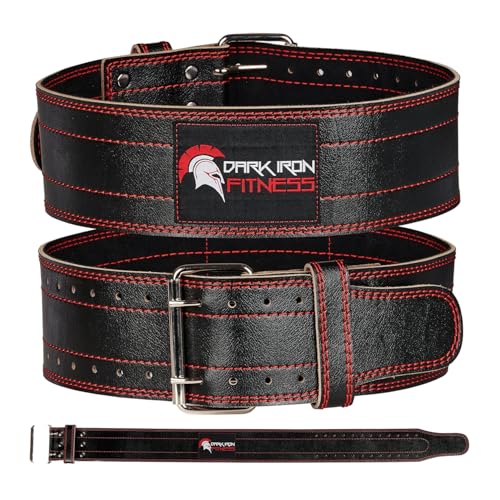
- Genuine leather with reinforced stitching
- Double-prong buckle for secure support
- 12 adjustment holes for a precise fit
Best For: Powerlifting and heavy strength training
Quick-Lock Competition Pick

- Self-locking metal buckle engages under load
- Quick release for fast set-to-set adjustments
- Breathable, washable nylon construction
Best For: Olympic lifting, CrossFit, and competition-style training
Comfortable Leather Pick

- Reinforced real leather construction
- Lightweight, form-fitting 4-inch design
- Rolls up for compact storage
Best For: Bodybuilding and squat-focused gym sessions
Quick-Lock Powerlifting Support

- 10mm leather with suede lining
- Four-inch support for squats and deadlifts
- Fast, secure lever-buckle closure
Best For: Powerlifters wanting quick adjustments and firm support
Comfort-Focused Training Support

- Leather with thick padded backing
- Contoured lumbar-support design
- Double-prong buckle with adjustable holes
Best For: Lifters seeking padded support for varied gym training
Classic Leather Durability

- Double-sided genuine leather construction
- Suede lining for added comfort
- Reinforced stitching for heavy use
Best For: Daily trainees wanting durable traditional leather support
Heavy-Duty Lever Choice

- 10mm leather with 4-inch back support
- Fast-release lever buckle
- Stated 1-year replacement warranty
Best For: Powerlifting and heavy compound lifts
Comfort-Focused Training Pick

- Six-inch lumbar back support
- Quick hook-and-loop adjustment
- Breathable foam cushioning
Best For: Cross-training and comfortable daily workouts
Adjustable Leather Value

- 7mm cowhide leather construction
- Ten adjustment holes
- Steel twin-prong roller buckle
Best For: Traditional leather support with flexible sizing
Premium Leather Pick – Dark Iron Fitness 4-Inch Belt
If you want a traditional option among weightlifting belts, the Dark Iron Fitness belt combines genuine leather with a 4-inch profile and double-prong buckle. Its reinforced stitching and 12 adjustment holes are designed for heavy lifting while allowing a more precise fit.
Best For: Powerlifters, strength trainees, CrossFit athletes, and anyone who prefers a durable leather belt.
Pros:
- Genuine leather with reinforced double-row stitching
- Double-prong buckle adds a secure feel during heavy lifts
- 12 one-inch adjustment holes accommodate a range of waist sizes
- 4-inch width supports the lower back and core
Cons:
- Leather requires wiping and occasional conditioning
- The double-prong buckle may take longer to adjust than quick-lock designs
This is a solid choice if durability and rigid support matter more to you than minimal weight. Measure your natural waist at the belly button and size up if you fall between sizes.
Quick-Lock Competition Pick – Element 26 Self-Locking Belt
The Element 26 is a practical choice among weightlifting belts for athletes who want fast adjustments and a flexible feel. Its 4-inch nylon construction uses a self-locking metal buckle that engages under load and releases quickly between sets.
Best For: Powerlifting, Olympic lifting, CrossFit, and lifters who frequently adjust or remove their belt during training.
Pros:
- Self-locking metal buckle is designed to engage under load
- Quick-release roller allows fast removal and repositioning
- Breathable nylon can be hand-washed with soap and water
- Competition-approved 4-inch design folds easily into a gym bag
Cons:
- Nylon may provide a less rigid feel than a leather belt
- Hook-and-loop closure may not appeal to lifters seeking a traditional buckle
Choose this belt if convenience, washability, and adjustable pressure are priorities. Its pliable nylon construction is intended to conform to the body without a break-in period.
Comfortable Leather Pick – Gymreapers 4-Inch Belt
The Gymreapers belt is a straightforward option among weightlifting belts, pairing reinforced real leather with a lightweight metal buckle. Its 4-inch back width is designed to support the core and lower back without feeling overly bulky during bodybuilding or squat-focused workouts.
Best For: Bodybuilding, squats, and lifters seeking a lightweight leather belt that rolls up for storage.
Pros:
- Made from reinforced real leather and stitching
- Lightweight 1.5-pound form-fitting design
- Multiple adjustment holes support a customizable fit
- Rolls up for compact gym-bag storage
Cons:
- Leather may require more care than washable nylon
- Its buckle closure is less focused on rapid changes than a self-locking design
This belt suits users who want leather support with a relatively streamlined feel. Its combination of a 4-inch support area and compact storage makes it versatile for regular gym use.
Maximum Coverage Pick – RitFit 6-Inch Padded Belt
For shoppers comparing weightlifting belts with broader coverage, the RitFit uses a 6-inch contoured profile and padded lumbar support. Its reinforced tricot construction, hook-and-loop strap, and stainless steel buckle are built for quick adjustments during squats, deadlifts, lunges, and thrusters.
Best For: Lifters who prefer extra-wide lumbar coverage and quick, secure adjustments for leg and core exercises.
Pros:
- 6-inch contoured design provides broad back, abdominal, and core coverage
- Padded lumbar support is designed to fit snugly without riding up
- Hook-and-loop strap and stainless steel buckle allow quick adjustment
- Available in multiple sizes and colors with a replacement guarantee
Cons:
- The 6-inch profile may feel bulkier than a standard 4-inch belt
- Hook-and-loop closure may be less traditional than a prong buckle
This is the better fit for users who value coverage and padding over a low-profile design. Check the sizing guide carefully; the listed medium option is intended for 30- to 36-inch waists.
Quick-Lock Powerlifting Support – 10mm Lever Belt
This 10mm leather lever belt is a strong option for lifters comparing weightlifting belts for heavy squats and deadlifts. Its four-inch width provides even torso coverage, while the lever buckle is designed for fast, secure adjustments between sets.
Best For: Powerlifters and strength athletes who want firm core and lower-back support with quick lever-buckle fastening.
Pros:
- 10mm leather construction with suede lining resists stretching.
- Four-inch width supports the abdomen and lower back evenly.
- Lever buckle snaps shut quickly and allows a precise fit.
- Designed for both men and women during heavy lifting.
Cons:
- Requires accurate true-waist measurement rather than pants size.
- Lever-buckle design may be less convenient for frequent fit changes than a prong belt.
Choose this belt if quick adjustment and consistent support matter most for heavy compound lifts. Check the listing’s sizing chart carefully before ordering.
Comfort-Focused Training Support – Padded 4-Inch Prong Belt
This padded four-inch belt is a versatile choice among weightlifting belts for gym workouts, bodybuilding, and strength training. Its contoured shape follows the lower back, while the double-prong buckle and multiple holes provide an adjustable fit.
Best For: Beginners and experienced lifters who want padded lumbar support and a flexible fit for varied training sessions.
Pros:
- Premium leather exterior includes thick padding and reinforced stitching.
- Contoured four-inch design supports the natural curve of the lower back.
- Double-prong buckle and multiple holes help minimize shifting.
- Breathable, sweat-resistant lining is designed for extended comfort.
Cons:
- Prong-buckle fastening may take longer to adjust than a lever buckle.
- Four-inch support profile may feel substantial for users who prefer a minimal belt.
For a general-purpose lifting belt, this model balances structured support with padding and a breathable lining. It suits a range of exercises, from squats and deadlifts to overhead presses and functional training.
Classic Leather Durability – Suede-Lined Leather Gym Belt
This genuine leather belt is built for shoppers comparing weightlifting belts for daily training and heavy-duty strength work. Its double-sided leather construction, suede lining, and reinforced stitching are intended to provide durable back and abdominal support.
Best For: Lifters who prefer a traditional leather belt with suede comfort and adjustable sizing for regular gym use.
Pros:
- Double-sided leather construction is designed for strength and durability.
- Suede inner lining adds padding and helps protect the skin.
- Reinforced top stitching supports repeated high-strength use.
- Suitable for weightlifting, cross training, and daily fitness.
Cons:
- The product information lists a six-inch width, which may feel bulky for some lifters.
- Sizing depends on true waist measurement, not pants size.
This is a straightforward option for lifters who value traditional leather construction and a suede-lined interior. Measure around the lower back and over the belly button to select the appropriate size.
Heavy-Duty Lever Choice – 10mm Leather Lever Belt
This powerlifting belt is a strong option for lifters comparing weightlifting belts for squats, deadlifts, and other compound movements. Its lever closure is designed for fast tightening and release, while the thick leather construction and wide back provide firm support.
Best For: Powerlifters and serious gym users who want a durable leather belt with quick lever adjustments.
Pros:
- 10mm leather construction with a 4-inch vertical back-support profile.
- Lever mechanism allows quick tightening, loosening, and release.
- Pre-broken leather is designed for comfort and long-term durability.
- Includes stated 1-year free replacement warranty and lifetime customer support.
Cons:
- Lever belts can be less convenient to adjust between sets than hook-and-loop designs.
- The listed medium size fits 32–38-inch waists, so careful sizing is important.
Choose this model if rigid leather support and rapid lever operation matter more to you than maximum flexibility. Confirm the waist measurement before ordering.
Comfort-Focused Training Pick – 6in Neoprene Support Belt
For shoppers seeking versatile weightlifting belts, this DMoose model emphasizes adjustable comfort and lumbar support. Its neoprene-and-nylon build, contoured design, and hook-and-loop closure suit repeated sessions involving squats, deadlifts, and cross-training.
Best For: Men and women who prefer a flexible, cushioned belt with easy fit adjustments for intense workouts.
Pros:
- Six-inch back support is designed for stability during heavy lifts.
- Hook-and-loop closure enables quick, secure fit adjustments.
- Breathable 0.375-inch foam core adds cushioning during longer sessions.
- Neoprene and nylon construction balances flexibility with durability.
Cons:
- Neoprene construction may not provide the rigid feel of a thick leather powerlifting belt.
- The listed dimensions and medium sizing should be checked against your measurements.
This is a practical choice when comfort, easy adjustability, and broad workout use are priorities. Lifters wanting maximum rigidity may prefer a leather lever or prong belt.
Adjustable Leather Value – Cowhide Dual-Prong Belt
This RDX belt is a versatile choice among weightlifting belts, combining cowhide leather with a dual-pronged roller buckle and multiple adjustment holes. It is offered with either 4-inch or 6-inch padded back support for workouts such as squats, deadlifts, Olympic lifting, and cross-training.
Best For: Lifters who want traditional leather construction, multiple adjustment points, and a choice of back-support widths.
Pros:
- Genuine cowhide leather is listed at 7mm thick for durable support.
- Ten precision-drilled holes provide flexible adjustment.
- Steel roller buckle, twin prongs, and reinforced rivets help secure the belt.
- Suede interior and a protective leather flap are designed to improve comfort.
Cons:
- Dual-prong buckles take more time to adjust than a lever or hook-and-loop closure.
- Correct sizing requires measuring around the lower back and across the belly button rather than relying on pant size.
- The listed option is the black 4-inch version; other widths and sizes may differ.
Consider this model if you prefer a conventional leather belt and want fine adjustment through ten holes. Follow the supplied measuring instructions carefully, especially if between sizes.
How We Picked These Weightlifting Belts
We focused on belts designed for practical strength training, including squats, deadlifts, bodybuilding, powerlifting, and general gym use. Our comparison considers construction, belt width and thickness, closure type, adjustability, lumbar coverage, stated materials, and suitability for different experience levels.
Because fit and lifting preferences vary, this list includes traditional double-prong belts, lever belts, and quick-adjusting self-locking designs. Product claims should still be checked against the manufacturer’s current specifications, particularly for sizing, certification, and competition use.
Quick Comparison
| Best For | Look For | Typical Choice |
|---|---|---|
| General gym training | Adjustable fit and comfortable padding | 4-inch prong or self-locking belt |
| Heavy squats and deadlifts | Rigid leather construction and secure closure | 10mm lever or prong belt |
| Fast transitions | Simple, quick-to-release mechanism | Self-locking belt |
| Powerlifting competitions | Appropriate dimensions and federation approval | Certified lever or prong belt |
| New lifters | Adjustability and moderate support | Padded 4-inch belt |
Key Buying Factors for Weightlifting Belts
Width and Shape
A 4-inch belt offers a balanced fit for many lifters and exercises. Wider 6-inch designs can provide more lumbar coverage but may feel restrictive, especially for shorter torsos or movements requiring a deep hip position. A tapered or padded profile may improve comfort.
Material and Thickness
Leather generally offers firm, durable support and becomes more comfortable as it breaks in. Thicker belts provide greater rigidity but can take longer to soften. Padded synthetic designs are often lighter and more comfortable for mixed workouts, though they may not feel as stable under maximal loads.
Closure and Adjustability
Double-prong buckles offer dependable adjustment, while lever systems provide a consistent tight fit and quick release. Self-locking closures are convenient for changing exercises, but verify that the mechanism feels secure and that replacement parts are available.
Fit and Sizing
Measure your waist where the belt will sit rather than relying on your pants size. The belt should allow you to brace forcefully without pinching or sliding. Always compare your measurement with the brand’s size chart, since ranges differ considerably.
Who Should Buy Which Weightlifting Belts?
Choose a traditional prong belt if you want broad adjustability, a familiar design, and dependable everyday performance. Choose a lever belt if you prioritize rigidity and repeatable tightness for heavy strength sessions. Choose a self-locking or padded belt if you move between exercises, value convenience, or want a more forgiving fit for general gym training.
For competition lifting, confirm the belt’s thickness, width, materials, and closure meet your federation’s rules before purchasing. Whichever style you choose, use it to reinforce good bracing technique—not as a substitute for proper form, progressive training, or qualified coaching.