The best closed-cell foam sleeping pads provide dependable ground insulation without the puncture risk, inflation time, or maintenance required by air mattresses. They are lightweight, waterproof, and easy to fold or roll for hiking, camping, emergency kits, and extra sleep surfaces.
Our roundup compares 10 options across insulation, thickness, packed size, durability, and versatility so you can choose a pad that matches your terrain, sleeping style, and budget.
Best 10 Closed Cell Foam Sleeping Pads Picks for 2026
Best Overall

- 14-ounce accordion-fold design
- Reflective ThermaCapture coating
- R-value 2.0; water resistant
Best For: Backpackers wanting a proven, lightweight foam pad
Best Value
Foldable IXPE Foam Camping Pad

- Generous 23.6-inch width
- Waterproof IXPE and aluminum film
- Listed R-value 2.1
Best For: Budget-conscious campers wanting a wider foldable mat
Best Budget Classic

- Lightweight 14-ounce construction
- Durable accordion-fold design
- R-value 1.7; limited lifetime warranty
Best For: Backpackers seeking a simple economical ground pad
Best for Tall Sleepers

- 77.1-inch length and 24-inch width
- About 11 ounces
- Aluminum heat-reflective underside
Best For: Taller or broader campers wanting a lightweight wide pad
Versatile Comfort Pick
Wakeman 0.75-Inch Foam Sleeping Pad
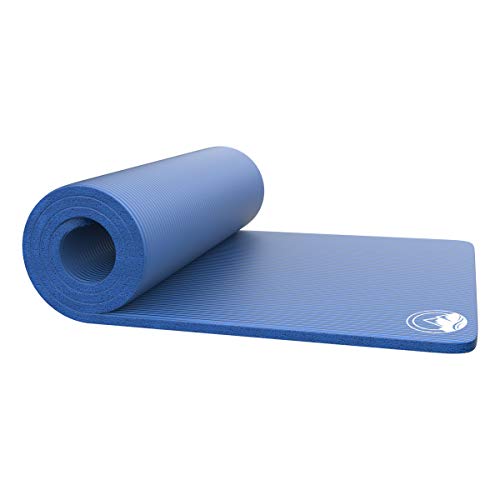
- Wide 72-by-24-inch sleeping surface
- Water-resistant, non-slip NBR foam
- Includes carry strap for transport
Best For: Car camping, cots, RVs, and sleepovers
Ultralight Insulation Pick
Featherstone El Cordion Foam Pad
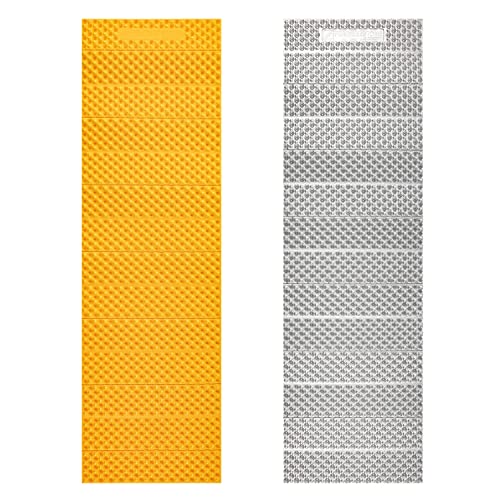
- 455-gram backpacking-friendly design
- ASTM F3340-tested R-value of 2.1
- Closed cell foam will not deflate
Best For: Ultralight backpacking and thru-hiking
Best Ultralight XPE Pad
Ergonomic Folding Sleeping Mat

- 0.7-pound XPE foam construction
- Folds for compact storage
- Reflective film and raised support nodes
Best For: Lightweight hiking and camping
Best Classic Roll-Up Pad
Stansport Pack Lite Sleeping Pad
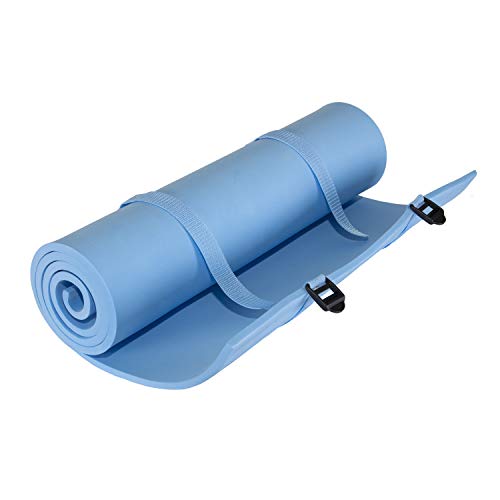
- Weighs 8 ounces
- Full-length 72-inch design
- Waterproof and puncture-proof foam
Best For: Simple backpacking and camping
Best Space-Saving Peanut Pad

- Nesting accordion-style design
- Lightweight IXPE foam
- Works as a mat, seat, or protector
Best For: Versatile outdoor and picnic use
Best Overall – Therm-a-Rest Z Lite Sol
Therm-a-Rest Z Lite Sol Camping and Backpacking Sleeping Pad, Blue/Silver, Regular - 20 x 72 Inches
Check Price On AmazonThe Therm-a-Rest Z Lite Sol is a dependable choice for shoppers comparing closed cell foam sleeping pads. Its accordion-fold design packs easily, while the reflective ThermaCapture coating and heat-trapping dimples are designed to improve warmth in camp.
Best For: Backpackers and mountaineers who want a proven, lightweight foam pad with added heat reflection.
Pros:
- Lightweight 14-ounce design folds to approximately 20 x 5 x 5.5 inches.
- Reflective coating increases warmth by 20 percent according to the supplied specifications.
- Two-density foam balances top-side comfort with bottom-side durability and protection.
- Water-resistant, made in the USA, and backed by a limited lifetime warranty.
Cons:
- Its 20-inch width may feel narrow for some sleepers.
- With an R-value of 2.0, it is intended for moderate insulation rather than the warmest conditions.
The Z Lite Sol stands out as a durable, economical closed-cell option with useful reflective insulation and a compact folding format.
Best Value – Foldable IXPE Foam Camping Pad
This foldable IXPE model is a practical pick among closed cell foam sleeping pads, offering a generous 23.6-inch width and a waterproof, moisture-resistant construction. Its aluminum film underside is designed to reflect body heat while keeping the pad easy to carry.
Best For: Budget-conscious campers, picnic users, and ultralight travelers seeking a wider foldable mat.
Pros:
- Wide 72.8 x 23.6-inch sleeping surface.
- Folds to approximately 23.6 x 5.5 x 5.5 inches for transport.
- IXPE foam and aluminum film provide waterproofing and heat reflection.
- Listed insulation rating of 2.1 and weight of about 396 grams.
Cons:
- Heavier than the listed 396-gram figure in the product details, which specify 455 grams.
- The supplied listing identifies the variety as self-inflating despite describing a foldable foam pad.
- It has a one-year warranty.
This pad offers useful width, waterproofing, and reflective insulation, though buyers should note the inconsistent listed weight and product classification.
Best Budget Classic – Therm-a-Rest Z Lite Original
The Therm-a-Rest Z Lite Original is a straightforward choice for closed cell foam sleeping pads, using a proven accordion-fold format and durable molded foam. Its dimples help trap heat, while the dual-density construction adds cushioning and ground protection.
Best For: Backpackers who want a simple, economical, lightweight pad for ground sleeping.
Pros:
- Compact 14-ounce pad folds to approximately 20 x 5 x 5.5 inches.
- Classic accordion construction is easy to pack and dependable in use.
- Softer foam on top and denser foam underneath support comfort and durability.
- Water-resistant, made in the USA, and covered by a limited lifetime warranty.
Cons:
- Its R-value of 1.7 provides less insulation than the Z Lite Sol.
- The 20-inch width may be restrictive for some users.
- It does not include the Sol model’s reflective ThermaCapture coating.
The Z Lite Original is a reliable no-frills option when low weight, durability, and affordability matter more than maximum insulation.
Best for Tall Sleepers – Long XPE Insulated Foam Mat
This long, wide option expands the usable sleeping area compared with many closed cell foam sleeping pads. Its eggshell-style XPE foam, aluminum-coated underside, and water-resistant barrier are designed to provide cushioning, heat reflection, and protection from damp ground.
Best For: Taller or broader campers who want extra length and width without a heavy pad.
Pros:
- Generous 77.1 x 24-inch dimensions suit taller or wider sleepers.
- Lightweight design weighs about 11 ounces and folds to approximately 24 x 6.1 x 5.1 inches.
- Aluminum film underside reflects heat and helps block dew and condensation.
- Listed R-value of 2.1 and a two-year manufacturer warranty.
Cons:
- The product listing describes the thickness as approximately 0.78 inches.
- The wider and longer folded package is bulkier than the listed 20-inch-wide Therm-a-Rest pads.
- It is water resistant rather than specifically described as waterproof.
For campers who regularly find standard pads too short or narrow, this model offers unusually generous dimensions while retaining a lightweight foldable format.
Versatile Comfort Pick – Wakeman 0.75-Inch Foam Sleeping Pad
If you want a roomy, cushioned option among closed cell foam sleeping pads, the Wakeman Outdoors mat provides a 72-by-24-inch surface with 0.75 inches of NBR foam. Its waterproof surface, non-slip texture, and included carry strap make it practical for cots, tents, car camping, and indoor use.
Best For: Car campers, cot users, sleepovers, RVs, and buyers who want a multipurpose foam mat.
Pros:
- Wide 72-by-24-inch sleeping surface
- Water-resistant NBR foam helps insulate from cold, wet ground
- Non-slip texture helps keep the pad in place
- Includes a carrying strap and rolls to a compact 9-inch height
Cons:
- At 3 pounds, it is less suited to weight-conscious backpacking
- Its 0.75-inch thickness may provide less cushioning than thicker pads
- Listed warranty coverage is 30 days
This is a comfort-and-versatility choice rather than a specialized ultralight pad. The generous width and waterproof construction make it especially useful for cots, vehicles, and general camping.
Ultralight Insulation Pick – Featherstone El Cordion Foam Pad
For backpackers prioritizing low weight and dependable insulation, the Featherstone El Cordion is one of the more trail-focused closed cell foam sleeping pads. Its IXPE foam, heat-reflective film, ASTM F3340-tested R-value of 2.1, and accordion-style hexagonal nodes target warmth and support without the risk of deflation.
Best For: Ultralight backpacking, thru-hiking, and campers who prefer a maintenance-free foam pad.
Pros:
- Lightweight 455-gram construction
- ASTM F3340-rated R-value of 2.1
- Reflective film and closed cell foam help retain warmth
- Hexagonal nodes provide increased coverage and support
Cons:
- Listed dimensions are compact at 22.05 by 5.51 by 5.51 inches
- It is not water resistant according to the supplied specifications
- Foam pads generally offer less packable cushioning than inflatable designs
The El Cordion stands out for hikers who value simplicity, low weight, and tested insulation. Its closed cell construction will not deflate, while the node design adds structure and ground coverage.
Foldable Backpacking Value – REDCAMP R-2.1 Foam Pad
The REDCAMP foldable mat is a straightforward option for hikers who want broad coverage and easy storage. Measuring 72 by 22 inches and 0.75 inches thick, this closed cell foam sleeping pad combines IXPE construction with an R-value of 2.1 for basic cushioning and ground insulation.
Best For: Hiking, backpacking, camping, and outdoor users who want a foldable pad that can double as a seat cushion.
Pros:
- Full-length 72-inch design suits most users
- 22-inch width provides room to stretch out
- R-value of 2.1 offers thermal insulation from the ground
- Foldable design supports convenient storage and carrying
Cons:
- At 0.75 inches thick, cushioning is relatively modest
- R-2.1 is suited to moderate insulation needs rather than extreme cold
- The supplied notes do not specify a weight or warranty
REDCAMP balances usable dimensions, foldability, and insulation for general outdoor trips. Its ability to serve as a temporary seat cushion adds versatility, while the closed cell material avoids inflation-related maintenance.
Best Ultralight XPE Pad – Ergonomic Folding Sleeping Mat
For hikers and campers comparing closed cell foam sleeping pads, this ultralight XPE model combines a folding design with raised ergonomic nodes. Its 0.7-pound weight, moisture resistance, and heat-reflective aluminum film make it practical for portable sleep insulation.
Best For: Backpackers and campers who prioritize low weight, compact folding storage, and dependable insulation.
Pros:
- Very light at 0.7 pounds per pack.
- Folds to a compact 23.6 x 5.6 x 4.9 inches.
- Raised nodes provide additional back support.
- XPE foam and reflective film provide an insulation rating of 2.1.
Cons:
- At 23.6 inches wide, it may feel narrow for some sleepers.
- The 0.36-inch thickness offers limited cushioning compared with thicker pads.
This is a strong choice when packability and reliable, non-deflating insulation matter more than maximum plushness. The folding construction also makes it easy to carry on hikes and camping trips.
Best Classic Roll-Up Pad – Stansport Pack Lite Sleeping Pad
The Stansport Pack Lite is a straightforward option among closed cell foam sleeping pads, using waterproof, puncture-proof foam in a full-length roll-up format. Its included straps simplify storage and transport for camping or backpacking.
Best For: Campers who want a simple full-length foam mat with waterproof construction and easy roll-up storage.
Pros:
- Lightweight 8-ounce construction.
- Full-length 72 x 19-inch sleeping surface.
- Waterproof closed-cell foam helps block cold and dampness.
- Included straps keep it rolled during storage and transit.
Cons:
- The 19-inch width is relatively narrow.
- Roll-up storage may be less compact than a folding design.
Choose this pad for uncomplicated outdoor use and dependable moisture protection. It is especially appealing if you prefer a traditional roll-up mat with a full-length profile and minimal weight.
Best Space-Saving Peanut Pad – Folding Foam Camping Mat
This folding foam mat is a versatile pick among closed cell foam sleeping pads, featuring a peanut-shaped accordion design that nests to save space. Lightweight IXPE foam provides moisture protection and can also be used as a seat, hammock-tent mat, or protective layer for an inflatable mattress.
Best For: Outdoor users seeking a foldable pad that can serve multiple camp and picnic purposes.
Pros:
- Peanut-shaped peaks and valleys help support pressure points.
- Accordion folds nest together for space-saving storage.
- Waterproof, moisture-resistant foam helps protect against damp ground.
- Can be used as a seat, hammock-tent mat, or inflatable-mattress protector.
Cons:
- The supplied notes do not specify dimensions or weight.
- Its broad-use design may not suit shoppers wanting a dedicated, full-length sleeping mat.
This model stands out for flexibility rather than a single-use sleeping setup. Its folding format and alternate uses make it useful for campers who want one lightweight foam layer for several outdoor situations.
How We Picked the Best Closed Cell Foam Sleeping Pads
We focused on the features that matter most in real-world use: foam construction, insulation, water resistance, portability, durability, and sleeping comfort. We also considered how each design works for its intended use, from ultralight backpacking and thru-hiking to car camping, cots, tents, and sleepovers.
Because closed-cell foam does not depend on air pressure, these pads are generally reliable on rough ground and cold surfaces. However, differences in thickness, folding style, surface texture, and reflective layers can affect warmth and comfort.
Quick Comparison
- Best for proven backpacking performance: Therm-a-Rest Z Lite Sol and Z Lite Original.
- Best for lightweight insulation: Featherstone El Cordion and other accordion-style foam pads.
- Best for basic value: Simple foldable or roll-up pads with waterproof surfaces.
- Best for cots and general camping: Thicker 0.75-inch options, such as the Wakeman Outdoors pad.
- Best for flexible camp use: Wider foam mats that can also serve as picnic, yoga, or utility pads.
Key Buying Factors for Closed-Cell Foam Sleeping Pads
Thickness and Comfort
Thicker foam generally cushions hips and shoulders better, while thin pads pack smaller and weigh less. If you sleep on your side or camp on rocky ground, prioritize thickness and a textured surface. Minimalist backpackers may prefer a thinner pad to save space and weight.
Insulation and R-Value
Look for an R-value when one is provided. Higher values offer better protection from cold ground, while aluminum or heat-reflective layers may help reflect body warmth. For warm-weather camping, a basic foam pad may be sufficient; colder trips call for more insulation or layering two pads.
Shape, Size, and Packed Form
Check the unfolded length and width against your height and sleeping position. Accordion-folding pads are quick to deploy and often pack securely, while roll-up models can be easier to attach externally but may be less compact. Wider mats add comfort but use more pack space.
Durability and Water Resistance
Closed-cell foam is naturally resistant to moisture and punctures, making it suitable for rough campsites. Still, inspect the foam density, seams, coating, and carry straps if included. A waterproof surface is especially useful in damp conditions or when using the pad outside a tent.
Who Should Buy Which Closed Cell Foam Sleeping Pads?
Backpackers and thru-hikers should favor lightweight, folding designs with dependable insulation and compact external carry options. Car campers can choose a thicker or wider pad because packed size matters less. Cold-weather campers should prioritize a documented R-value and consider layering pads for additional ground insulation. Side sleepers will usually appreciate the thickest available foam, although no closed-cell pad provides the same cushioning as a thick inflatable mattress. Families, guests, and emergency-kit shoppers should look for waterproof, easy-clean models with generous dimensions and simple storage.