The best adjustable plyometric boxes let you scale jump training, step-ups, and strength work without filling your gym with multiple platforms. Adjustable designs are especially useful when more than one person trains at different heights or when you are progressing gradually.
We compare 10 options across construction, height versatility, landing comfort, stability, and practical home-gym usability so you can choose a box that matches your training style and available space.
Best 10 Adjustable Plyometric Boxes Picks for 2026
Best Heavy-Duty Pick
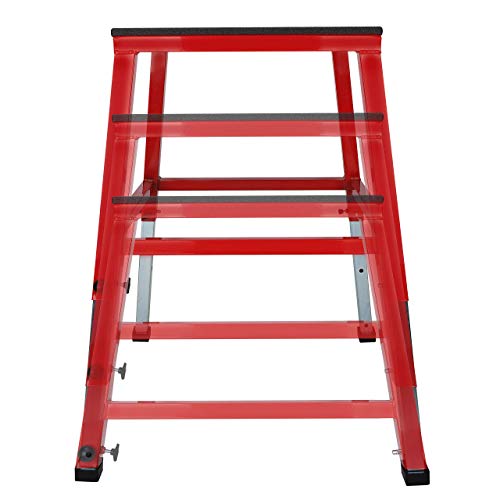
- Three heights: 12, 16, and 20 inches
- Steel construction with a 550-pound capacity
- Fully assembled with a non-slip landing surface
Best For: Stable, heavy-duty home or gym training
Best Cushioned Design

- Three height options in a soft-sided design
- Wooden core with EVA foam and vinyl cover
- Non-slip surface and 450-pound stated capacity
Best For: Comfort-focused home workouts and step-ups
Best Steel Height Range
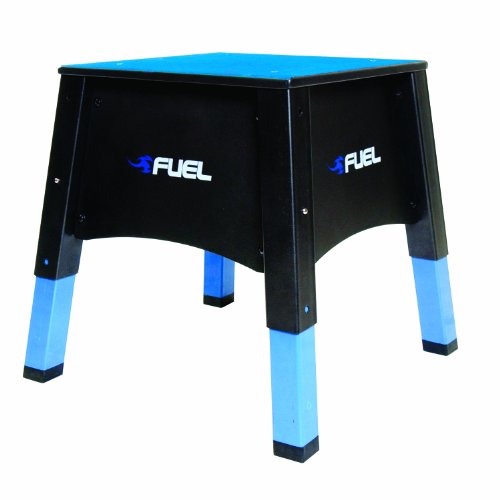
- Three heights: 14, 18, and 22 inches
- Powder-coated steel frame with quick adjustment
- Non-slip top and non-marking rubber feet
Best For: Progressive jump and agility training
Best Lightweight Option
BalanceFrom 3-in-1 Foam Jump Box

- Rotates between 16-, 20-, and 24-inch heights
- High-density foam softens impact
- Lightweight and easy to move or store
Best For: Portable, comfort-focused home workouts
Best for Easy Setup
Valor Fitness Adjustable Plyo Box

- Five settings from 18 to 31 inches
- Steel frame with 400-pound capacity
- Non-slip top and locking height system
Best For: Progressive home-gym and athletic training
Best Budget-Friendly Wood Box
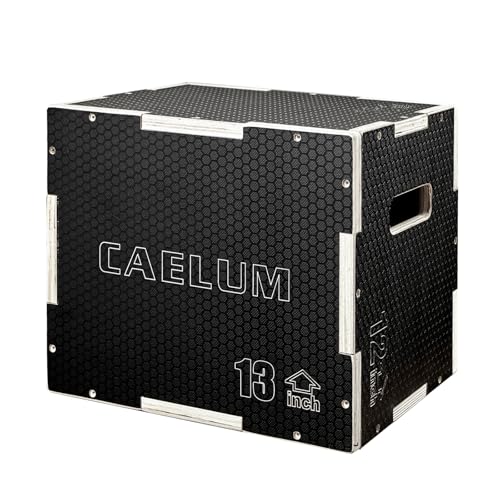
- Three heights from 12 to 16 inches
- Plywood design rated for 400 pounds
- Textured top and side handles
Best For: Beginner-friendly home workouts and lower jumps
Best Space-Saving Design

- Three adjustable training levels
- Welded construction with 400-pound capacity
- Nesting frame supports compact storage
Best For: Space-conscious home gyms and training facilities
Best Steel Adjustable

- Spring-button adjustment from 14 to 22 inches
- Textured non-slip platform with rubber feet
- Steel build supports up to 250 pounds
Best For: Stable home-gym jump, step-up, and agility training
Best Cushioned

- Rotating design offers three height settings
- Foam-filled surface helps soften landings
- Lightweight and ready to use without assembly
Best For: Comfort-focused home workouts and conditioning
Best High-Capacity

- Includes 12-, 18-, and 24-inch platforms
- 500-pound stated weight capacity
- Textured tops and rubber feet support grip
Best For: Multi-height home or gym strength and conditioning
Best Heavy-Duty Pick – JFIT Adjustable Plyo Box
The JFIT is a practical choice if you want adjustable plyometric boxes with a steel frame, three height settings, and a generous 550-pound capacity. It arrives assembled and uses locking pins for added stability during jumps and drills.
Best For: Users prioritizing a sturdy, fully assembled box for repeated plyometric and strength training.
Pros:
- Adjusts to 12, 16, and 20 inches.
- Heavy-duty welded iron construction supports up to 550 pounds.
- Non-slip landing surface and rubber corner pads improve footing and floor protection.
- No tools or assembly are required.
Cons:
- The 14-by-14-inch top is smaller than some soft-sided alternatives.
- Its steel construction may be less forgiving than foam if a landing is missed.
Choose this model when stability, durability, and a high stated weight capacity matter more than portability or a cushioned landing surface.
Best Cushioned Design – Yes4All 3-in-1 Soft Plyo Box
The Yes4All is a soft-sided option among adjustable plyometric boxes, using a wooden core with EVA foam and a vinyl cover. Its three-sided design provides different training heights while cushioning impact for box jumps, step-ups, and push-ups.
Best For: Home users who want a softer training surface and multiple height options.
Pros:
- Offers 16-, 14-, and 12-inch training orientations.
- Wooden core adds structure beneath EVA foam and vinyl.
- Non-slip, waterproof PVC surface supports secure footing.
- Includes a 30-day return period and one-year warranty.
Cons:
- Its listed capacity is 450 pounds, lower than the JFIT model.
- Rotating the box changes height rather than using mechanical adjustment.
This is a sensible fit for beginners and home gyms where impact comfort and versatile positioning are more important than a steel frame.
Best Steel Height Range – Fuel Pureformance Plyo Box
The Fuel Pureformance offers adjustable plyometric boxes with three relatively tall settings: 14, 18, and 22 inches. Its powder-coated steel frame, 16-by-16-inch non-slip surface, and rubber feet suit explosive jumps, speed work, and agility training.
Best For: Athletes who want a steel box with a 22-inch maximum height for progressive jump training.
Pros:
- Quick spring-button adjustment provides three height levels.
- 14-, 18-, and 22-inch settings support progression.
- Rubber feet help prevent floor marks and movement.
- Powder-coated steel construction is built for explosive training.
Cons:
- At about 34 pounds, it is heavier than the foam options.
- The manufacturer warranty is limited to 30 days.
The taller settings make this a strong choice for experienced users, though its heavier build and short warranty are worth considering before purchase.
Best Lightweight Option – BalanceFrom 3-in-1 Foam Jump Box
The BalanceFrom is a lightweight alternative for shoppers comparing adjustable plyometric boxes for home use. Rotating the high-density foam box provides 16-, 20-, and 24-inch heights, while the textured surface helps with jumps, step-ups, and agility drills.
Best For: Beginners and home users who value easy carrying, storage, and softer impact.
Pros:
- Three height options are available by rotating the box.
- High-density foam helps minimize shin scrapes and hard impact.
- Textured surface provides traction during jumps and step-ups.
- Lightweight design is easy to move and store.
Cons:
- The stated maximum weight recommendation is 250 pounds.
- Foam construction may not provide the same rigid feel as steel.
- The supplied specifications list conflicting weight and dimensions, so verify them before ordering.
This model emphasizes portability and landing comfort, making it appealing for casual home training, but users needing a higher capacity should consider a heavier-duty option.
Best for Easy Setup – Valor Fitness Adjustable Plyo Box
Among adjustable plyometric boxes, the Valor Fitness model stands out for its steel construction, broad 18- to 31-inch height range, and 400-pound capacity. Five height positions let you scale box jumps, step-ups, squats, and agility work as your training develops.
Best For: Athletes and home-gym users who want a durable, highly adjustable box for progressive power and conditioning workouts.
Pros:
- Five height settings from 18 to 31 inches support progressive training.
- Steel construction and a 400-pound capacity suit demanding workouts.
- Non-slip rubber top, popper pins, and steel safety locks promote stability.
- Works for box jumps, step-ups, squats, agility drills, and strength training.
Cons:
- At 50 pounds, it is less convenient to move than a lightweight wooden box.
- The 18-inch minimum may be relatively high for beginners seeking a low starting height.
This is a strong choice when stability, capacity, and a wide range of training heights matter more than portability. Its five-position adjustment also makes it easier to keep using as your ability improves.
Best Budget-Friendly Wood Box – CAELUM 3-in-1 Wood Plyo Box
The CAELUM 3-in-1 is one of the more compact adjustable plyometric boxes, offering 12-, 13-, and 16-inch height options in a plywood design. Its textured top, sanded edges, and side handles make it a practical option for lower-height jumps, step-ups, squats, and general fitness training.
Best For: Beginners and home users who want a portable wooden box with low height settings and multiple exercise uses.
Pros:
- Three height options provide accessible 12-, 13-, and 16-inch training levels.
- Premium plywood construction is rated for up to 400 pounds.
- Honeycomb-textured surface is designed to improve grip during workouts.
- Side handles and quick assembly make it easier to set up and reposition.
Cons:
- The 12-by-13-by-16-inch model does not have internal support.
- Its maximum height is 16 inches, lower than the other adjustable options here.
- Assembly is required, despite the included pilot holes and screws.
Choose this box if you prioritize lower starting heights, simple portability, and a wood construction. The lack of internal support in this model is an important consideration for heavier or especially high-impact use.
Best Space-Saving Design – REP Adjustable Plyo Box
The REP Adjustable Plyo Box combines welded construction with three adjustable height options in a compact, stackable frame. As adjustable plyometric boxes go, it is suited to home gyms and training spaces where a non-slip platform and easier storage are priorities.
Best For: Home-gym users and facilities that need a durable adjustable platform with a space-saving design.
Pros:
- Multiple height settings accommodate step-ups, box jumps, squats, and plyometric work.
- Welded construction is designed to remain stable during intense workouts.
- Textured rubber platform helps provide grip for jumps and landings.
- Nesting frame supports more convenient storage in compact spaces.
Cons:
- It offers three levels rather than the five available on the Valor model.
- The listed maximum height is 24 inches, below the Valor’s 31-inch maximum.
- At 40 pounds, it is sturdy but not especially lightweight.
This model makes the most sense when storage efficiency and a stable steel platform are central to your buying decision. Its 400-pound capacity and rubber top also give it useful versatility for regular home or commercial training.
Best Steel Adjustable – 3-Level Steel Plyo Box
This steel option is a practical choice among adjustable plyometric boxes when you want fixed height settings and a stable platform for repeated jump, step-up, and agility work. Its spring-button system switches between 14, 18, and 22 inches, while the textured landing surface and rubber feet support secure use.
Best For: Athletes and home-gym users who want a durable, height-adjustable box for jumps, HIIT, speed drills, and lower-body training.
Pros:
- Three height settings accommodate different training levels and exercises.
- Steel construction with a powder-coat finish is designed for intense workouts.
- Textured 16-by-16-inch platform and non-marking rubber feet help with grip and floor protection.
- Supports up to 250 pounds.
Cons:
- At 32 pounds, it is less convenient to move than lightweight foam boxes.
- The maximum height is limited to 22 inches.
- The steel platform may provide less cushioning than a padded design.
Choose this model if stability and metal construction matter more to you than portability or impact cushioning. The three straightforward height choices make it versatile without adding complicated setup.
Best Cushioned – 3-in-1 Foam Jump Box
For shoppers comparing adjustable plyometric boxes for home workouts, the OLIXIS 3-in-1 model emphasizes softer landings and easy repositioning. Rotating the box provides three height configurations, while the pearl-cotton filling and textured Oxford cover create a more forgiving training surface.
Best For: Home users who prioritize cushioning, portability, and versatile step-up, jump, and conditioning exercises.
Pros:
- Three height settings are available by rotating the box.
- Pearl-cotton foam helps absorb landing impact and reduce shin scrapes.
- Textured Oxford cloth cover adds surface friction during jumps and step-ups.
- Lightweight design requires no assembly and is easy to reposition.
Cons:
- Foam construction may not offer the same rigid feel as a steel box.
- Height and dimensions vary by selected size, so buyers should confirm the configuration.
- The supplied notes do not specify a maximum weight capacity.
This is a good fit when comfort and convenience are central to your buying decision. Its lightweight, no-assembly design suits room-to-room workouts, while the three-position format supports varied conditioning sessions.
Best High-Capacity – VEVOR 3-Piece Steel Set
This VEVOR set stands out among adjustable plyometric boxes by including three separate steel platforms at 12, 18, and 24 inches. The trapezoidal design, welded construction, textured silicone tops, and rubber feet are intended to provide a stable setup for jumps, step-ups, push-ups, squats, and other conditioning movements.
Best For: Users who want multiple fixed training heights and a high stated weight capacity for home or gym workouts.
Pros:
- Includes three platforms for 12-, 18-, and 24-inch training heights.
- 500-pound stated weight capacity supports a broad range of training needs.
- Steel construction, welded parts, rubber feet, and textured tops promote stability and grip.
- Boxes can be stacked or disassembled for storage and portability.
Cons:
- Assembly is required before use.
- The 39.7-pound set is relatively heavy to move.
- Multiple separate boxes require more storage space than a single adjustable unit.
Consider this set if you want the widest height range and the strongest stated capacity of these options. It is especially practical for shared spaces or training plans that use different jump heights, provided you have room for storage and assembly.
How We Picked the Best Adjustable Plyometric Boxes
We evaluated these Adjustable Plyometric Boxes using the features that matter most during repeated training: height range, construction, platform grip, stability, assembly requirements, weight capacity, and overall versatility. We also considered whether each design suits beginners, experienced athletes, or general home-gym users.
A box should be appropriately challenging without encouraging unsafe landings. We therefore gave priority to models with secure surfaces, dependable support, and multiple usable heights. Foam and padded options can be more forgiving for beginners, while steel and wood designs may appeal to users who want a firmer, more durable platform.
Quick Comparison
- Best for height variety: Look for a design with three or more clearly defined height settings.
- Best for stability: Steel frames and broad, rigid bases generally resist movement during jumps and step-ups.
- Best for beginners: Soft-padded or foam-covered boxes reduce the harshness of missed contacts.
- Best for compact gyms: A reversible or adjustable box can replace several fixed-height platforms.
- Best for heavy-duty use: Check the stated weight limit, welds or joinery, and platform dimensions.
Key Buying Factors for Adjustable Plyometric Boxes
Height and Progression
Choose a box that offers a starting height you can control with good form and a higher setting for progression. Lower levels work well for step-ups, beginners, and conditioning; taller settings are better reserved for athletes who can land consistently and quietly.
Construction and Weight Capacity
Wood provides a rigid feel and is often easy to position, while steel can deliver excellent structural strength. Foam is lighter and more forgiving but may compress or shift more easily. Compare the listed capacity with your body weight, added load, and the repeated impact of training.
Surface Grip and Landing Comfort
A non-slip top is essential, particularly in home gyms with smooth flooring. Padded covers can reduce discomfort if your shins contact the box, but they should still feel firm enough for stable takeoffs and landings.
Footprint, Storage, and Setup
Measure the available floor area before buying. Wider boxes are usually more stable, while compact models are easier to store. Confirm whether assembly is required and whether the finished box can be moved without assistance.
Who Should Buy Which Adjustable Plyometric Boxes?
Beginners and general fitness users should favor lower settings, forgiving surfaces, and straightforward height changes. Home-gym owners will benefit from a versatile box that replaces multiple fixed-height pieces of equipment. Power and agility athletes should prioritize a rigid, stable platform with a grippy surface and a height range that supports progressive training. Shared or high-use gyms should look for strong steel or plywood construction, a generous weight rating, and hardware designed to withstand frequent adjustments.
Whichever model you choose, place it on a level, non-slip surface and leave clear space around all sides. Start at a manageable height, practice controlled landings, and increase difficulty only when your technique remains consistent.