The best back braces for athletes provide adjustable lumbar support without making movement unnecessarily difficult. The right design can offer useful compression during training, lifting, practice, or recovery while remaining comfortable enough for extended wear.
This roundup compares 10 options across fit, support features, profile, materials, and intended use. Use the guide below to narrow the choices based on your activity level, clothing preferences, and the amount of stabilization you need.
Best 10 Back Braces for Athletes Picks for 2026
Best Adjustable Fit
Mueller Adjustable Lumbar Back Brace

- Fits 28-50 inch waists
- Removable lumbar pad
- Four flexible steel springs
Best For: Customizable lower-back support for walking and general activity
Best for Exercise Comfort

- Double-belt adjustable closure
- Wear under or over clothing
- Machine-washable design
Best For: Exercise and fitness users with 39-50 inch waists
Best Targeted Support
Mueller Lumbar Back Brace with Pad

- Four steel support springs
- Removable lumbar compression pad
- Sizes cover 22-70 inch waists
Best For: Lifting, weightlifting, walking, and firm lumbar support
Best for Heavy-Duty Movement
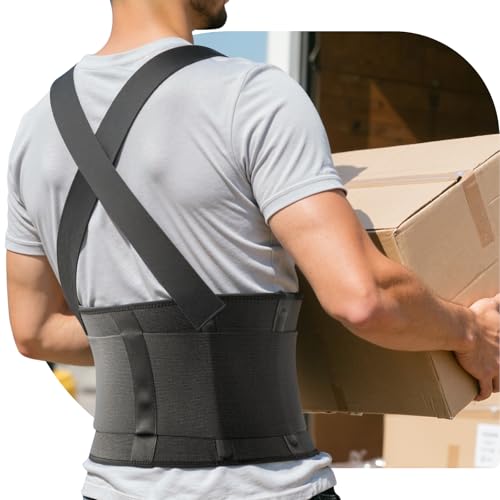
- Dual shoulder straps help secure fit
- Double-pull tension straps
- Flexible posterior support stays
Best For: Heavy lifting, warehouse work, and repetitive movement
Best Adjustable Support
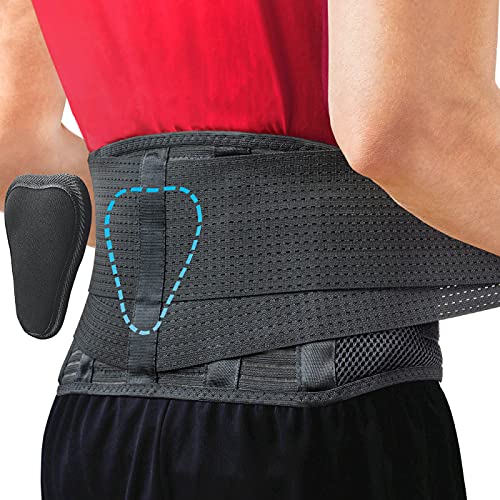
- Removable lumbar pad
- Vertical stabilizing stays
- Breathable, lightweight design
Best For: Running, golf, weightlifting, and active daily wear
Best Firm Stability

- Multi-part lumbar support system
- Pulley-based tension adjustment
- Breathable 3D-knit fabric
Best For: Strength training, cycling, running, and heavy lifting
Best Low-Profile Design
Ultra-Thin Adjustable Back Brace

- Ultra-thin and lightweight
- Breathable mesh construction
- Adjustable dual tension straps
Best For: Running, workouts, golf, and low-bulk daily wear
Firm Support Pick

- Eight steel springs for firm support
- Breathable, odor-treated mesh
- Adjustable fit for activity
Best For: Active adults needing firm, customizable back support
Lightweight Under-Clothes Pick

- Compact 220-gram design
- Dual elastic straps for stability
- Perforated neoprene for breathability
Best For: Exercise and daily wear under clothing
Breathable Copper Pick

- Lightweight four-ounce construction
- Moisture-wicking breathable material
- Adjustable support for 36–42-inch waists
Best For: Active adults wanting breathable lumbar compression
Best Adjustable Fit – Mueller Adjustable Lumbar Back Brace
For athletes who want an adaptable option among back braces for athletes, this Mueller lumbar brace combines adjustable compression with a removable lumbar pad. Its regular size fits 28- to 50-inch waists and uses four flexible steel springs for added stability.
Best For: Walking, general activity, and athletes seeking customizable lower-back compression.
Pros:
- Adjustable double-layer design supports a customized fit.
- Removable lumbar pad provides concentrated cushioning and compression.
- Four flexible steel springs conform to the back for added stability.
- Breathable fabric is designed for comfort.
Cons:
- Regular sizing is limited to waists from 28 to 50 inches.
- Hand-wash care may be less convenient than machine washing.
This is a practical, straightforward choice when adjustable compression and a removable support pad matter more than sport-specific features.
Best for Exercise Comfort – Copper Fit Pro Back Support
The Copper Fit Pro is a simple option for shoppers comparing back braces for athletes who want adjustable compression during exercise and fitness activities. Its double-belt closure can be worn under or over clothing and is sized for 39- to 50-inch waists.
Best For: Exercise and fitness users who prefer a lightweight, wearable support with flexible placement.
Pros:
- Adjustable double-belt closure allows customized compression.
- Can be worn under or over clothing.
- Designed for exercise and fitness use.
- Machine-washable construction simplifies care.
Cons:
- This listed size only fits 39- to 50-inch waists.
- The supplied details do not identify rigid stays or a removable lumbar pad.
Choose this model for uncomplicated compression and easy care, particularly if its Large/X-Large waist range matches your measurements.
Best Targeted Support – Mueller Lumbar Back Brace with Pad
This Mueller brace is a strong contender among back braces for athletes who need targeted lumbar compression for lifting, walking, or demanding daily activity. Four steel springs, a removable pad, breathable mesh, and multiple size ranges give it a more supportive, configurable design.
Best For: Weightlifting, industrial activity, walking, and users seeking firm lumbar support.
Pros:
- Four steel springs provide firm, targeted compression.
- Removable lumbar pad lets users adjust the support setup.
- Breathable, odor-resistant mesh is intended for all-day comfort.
- Small, Regular, and Plus ranges cover 22- to 70-inch waists.
Cons:
- The listed Regular version does not cover the full Small or Plus size ranges.
- Hand-wash care requires more maintenance than machine-washable alternatives.
With its steel springs and removable pad, this is the most support-focused Mueller option here for athletes and workers who want firm, adjustable lumbar assistance.
Best for Heavy-Duty Movement – Adjustable Work Back Brace
Designed for strenuous movement, this work brace offers a different approach to back braces for athletes, combining dual shoulder straps, double-pull tension straps, and flexible posterior stays. It is aimed at activities such as weightlifting, construction, warehouse work, and repetitive lifting.
Best For: Heavy lifting, moving, warehouse work, and users who need a brace designed to stay in place during movement.
Pros:
- Dual shoulder straps and an adjustable suspender design help keep the brace secure.
- Double-pull tension straps provide adjustable support.
- Flexible posterior stays support the lower back and abdomen.
- Breathable, lightweight, stretchable construction is intended for extended wear.
Cons:
- The supplied listing identifies this model as Large, so sizing may not suit every user.
- Its work-oriented design may be more substantial than needed for light athletic activity.
- The product details do not specify a removable lumbar pad.
This model makes the most sense when secure positioning and support during repetitive or heavy movement are priorities, rather than minimal bulk.
Best Adjustable Support – Sparthos Back Brace
For athletes comparing back braces for athletes, the Sparthos model offers adjustable lumbar support without a notably bulky profile. Its removable pad, vertical support stays, breathable fabric, and use-specific fit make it suitable for training, lifting, and active daily movement.
Best For: Athletes who want adjustable lower-back compression for running, golf, weightlifting, or everyday activity.
Pros:
- Removable lumbar pad provides extra lower-back compression.
- Vertical support stays help stabilize the back and limit rolling.
- Breathable, lightweight, stretchable design is intended to fit under clothing.
Cons:
- Hand-wash care may require extra maintenance.
- The listed size is Large, so shoppers should confirm the fit before ordering.
The Sparthos is a versatile pick when adjustable support and a removable pad matter more than the lightest possible construction. Check the sizing and use the support level appropriate for your activity.
Best Firm Stability – FREETOO Lower Back Brace
Among back braces for athletes, the FREETOO emphasizes firm stability through a bionic lumbar panel, memory-aluminum stays, and flexible springs. Its pulley cinch system and breathable 3D-knit fabric are designed for controlled compression during training and other demanding activities.
Best For: Athletes seeking firmer lumbar support for cycling, running, strength training, tennis, or heavy lifting.
Pros:
- Support system combines one bionic lumbar panel, four memory-aluminum stays, and two flexible springs.
- Pull-to-cinch pulley system enables customized tension adjustment.
- Soft, breathable 3D-knit fabric is designed to reduce heat and irritation.
Cons:
- Its firmer support structure may feel more substantial than a minimalist brace.
- The supplied listing is for Medium, with a 33.4–40.5-inch waist range.
This FREETOO model is the stronger-support option in this group, particularly for athletes who want stability and adjustable tension. Measure carefully, since the fit is central to using its support system effectively.
Best Low-Profile Design – Ultra-Thin Adjustable Back Brace
For athletes who prioritize freedom of movement, this ultra-thin brace is a streamlined choice among back braces for athletes. Breathable mesh, supportive stays, dual tension straps, and a wide fastening zone provide adjustable compression for workouts and daily activity without much bulk under clothing.
Best For: Athletes who want a lightweight, low-profile brace for running, workouts, golf, chores, or extended wear.
Pros:
- Ultra-thin, narrow construction is designed to fit under clothing.
- Breathable mesh promotes air circulation during longer wear.
- Dual-sided fastening and pulley tension adjustments allow customized compression.
Cons:
- It is positioned for mild to moderate back pain rather than the firmest support.
- The listed M/L size fits 33–43 inches, so measurement is important.
- Neoprene material and hand-wash care may not suit every preference.
This brace stands out when a discreet profile and unrestricted movement are priorities. It is a practical option for active wearers who want adjustable compression without the bulk of a more structured support belt.
Firm Support Pick – Mueller Adjustable Back Brace
For athletes seeking back braces for athletes with a need for firm, adjustable support, the Mueller Adjustable Back Brace combines breathable mesh with eight steel springs. Its wraparound straps can be tightened to your preferred comfort level during activity.
Best For: Athletes and active adults who want firm lower- or upper-back support for lifting, walking, or everyday movement.
Pros:
- Eight steel springs provide targeted compression and support.
- Adjustable hook-and-loop straps help create a personalized fit.
- Breathable, odor-treated mesh is designed for extended wear.
- Fits a broad waist range in the one-size option, from 28 to 50 inches.
Cons:
- The small size only fits waists from 22 to 30 inches.
- Hand washing is required.
- Firm spring support may feel more substantial than a lightweight belt.
Choose this Mueller brace when stability and adjustable compression matter more than the lowest-profile design. Measure around the widest part of your waist before ordering.
Lightweight Under-Clothes Pick – Discreet Lumbar Support Belt
When choosing back braces for athletes that can stay discreet, this lightweight lumbar belt is designed to fit under clothing while supporting movement. Its perforated neoprene and dual elastic straps provide breathable, flexible compression for exercise and daily activities.
Best For: Athletes and active adults who prioritize a compact brace for exercise, walking, work, or extended wear under clothes.
Pros:
- Lightweight design weighs about 220 grams and is approximately four inches wide.
- Dual elastic straps provide added pressure and stability.
- Perforated neoprene is intended to improve breathability.
- Flexible neoprene conforms to the hips and lower back during movement.
Cons:
- The listed size is medium, so sizing options should be checked carefully.
- New neoprene may have a temporary odor that requires airing out.
- It is described primarily as lumbar support rather than full-back coverage.
This is a practical choice for users who want everyday lumbar support without a bulky profile. Air it out for two to three days if the initial neoprene odor is noticeable.
Breathable Copper Pick – Copper Compression Back Brace
For athletes comparing back braces for athletes with an emphasis on breathable compression, this copper-infused lumbar brace offers adjustable support for the lower back. Its moisture-wicking material is designed for discreet wear under clothes and during exercise.
Best For: Athletes and active adults with a 36- to 42-inch waist who want lightweight, breathable lumbar compression.
Pros:
- Adjustable straps allow a more exact fit.
- Breathable, moisture-wicking material is intended for all-day comfort.
- Lightweight design weighs about four ounces.
- Copper-infused fabric is designed to retain its function after washing.
Cons:
- The supplied fit range is limited to waists from 36 to 42 inches.
- The pull-on closure may offer less straightforward adjustment than hook-and-loop designs.
- It targets the lower back rather than providing broad upper-back coverage.
This brace suits athletes who want a light lumbar layer that can transition from rest to exercise. Confirm your natural waist measurement and follow the care instructions, including gentle washing and air drying.
How We Picked the Best Back Braces for Athletes
We evaluated these back braces by focusing on practical features that matter during sports, strength training, active work, and recovery. Key considerations included adjustability, lumbar coverage, support structure, breathability, profile, sizing, and whether the brace appears better suited to light compression or more substantial stabilization.
Because comfort and fit vary by body shape and activity, no single brace is ideal for everyone. We also considered useful features such as removable pads, copper-infused fabrics, lightweight construction, and designs intended to fit discreetly under clothing.
Quick Comparison
| Best For | Look For |
|---|---|
| Everyday training support | Adjustable compression and flexible lumbar coverage |
| Heavy lifting or demanding activity | Wider support, secure fasteners, and structured panels |
| Running and field sports | Lightweight, breathable materials and low bulk |
| Recovery or extended wear | Comfortable fabric, easy adjustment, and a stable fit |
| Wearing under clothing | Ultra-thin construction and minimal seams |
Key Buying Factors for Back Braces for Athletes
Support and Stabilization
Choose the level of support that matches your activity. Flexible belts are generally more comfortable for movement and lower-intensity use, while wider or more structured braces may feel more secure during lifting and physically demanding tasks. A brace should support the lower back without restricting normal breathing or movement.
Fit and Adjustability
Accurate sizing is essential. Check the manufacturer’s waist measurement rather than relying only on shirt or pant size. Multiple fastening zones or elastic panels make it easier to fine-tune compression, especially when wearing different layers.
Breathability and Profile
Athletes can overheat quickly, so breathable materials and ventilation are valuable for workouts and outdoor sports. If you plan to wear a brace beneath a uniform or everyday clothing, prioritize a thin design with smooth edges and limited bulk.
Comfort and Range of Motion
Look for soft, non-irritating materials and a shape that stays in place without rolling. The brace should allow the hip and torso movement your sport requires. Stop using it if it causes numbness, increased pain, or circulation problems.
Who Should Buy Which Back Braces for Athletes?
For general training, gym sessions, or occasional lower-back support, an adjustable lumbar brace with moderate compression is usually the most versatile choice. Athletes who prioritize speed, running, or discreet wear should favor lightweight and ultra-thin models. For lifting, manual work, or activities requiring greater stability, consider a wider brace with stronger fastening and more structured support.
Those with sensitive skin or long wear times may prefer breathable, soft-lined materials, while shoppers interested in odor control or fabric treatments can consider copper-infused options—but treat those features as secondary to fit and support. Anyone with persistent, severe, or radiating pain should consult a qualified healthcare professional before using a brace for athletic activity. A back brace is a support aid, not a substitute for diagnosis, rehabilitation, or proper technique.