Curved treadmills can make indoor walking and running feel more natural while giving beginners direct control over their pace. Because they are self-powered, the right model should balance a manageable learning curve with dependable stability, useful resistance settings, and enough running space.
We selected 10 manual and self-generated treadmills for different home-training needs, from compact foldable designs to heavier commercial-style machines. Use the guide below to narrow the list by comfort, capacity, features, and budget.
Best 10 Curved Treadmills for Beginners Picks for 2026
Heavy-Duty Pick
450-LB Curved Manual Treadmill

- Four adjustable resistance levels
- 63-by-19-inch running surface
- Self-powered with 450-lb capacity
Best For: Beginners seeking a sturdy treadmill for walking through HIIT
Connected Training Pick

- Eight magnetic resistance levels
- Free SunnyFit app access via Bluetooth
- Shock-absorbing belt with 330-lb capacity
Best For: Beginners wanting guided workouts and adjustable manual resistance
Space-Saving Pick
Foldable Curved Manual Treadmill

- Eight resistance settings
- Foldable and equipped with transport wheels
- LED display and non-slip rubber belt
Best For: Beginners needing a compact manual treadmill for walking or jogging
Walking Pick
JOROTO Curved Manual Walking Pad

- No electricity or motor required
- Foldable, wheeled, and 99% pre-assembled
- 330-lb capacity with textured anti-slip belt
Best For: Beginners focused on walking and light jogging in compact spaces
Commercial Training Pick
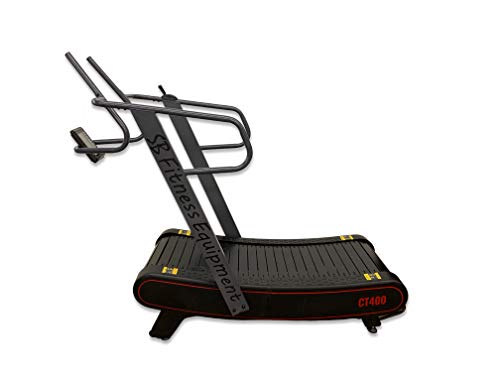
- Self-generated curved design with no maximum speed
- Three resistance levels for progressive workouts
- 375-pound capacity with digital workout metrics
Best For: Beginners seeking versatile home or light commercial training
Space-Saving Home Pick

- Manual, non-electric operation with no stated speed limit
- Foldable design and transport wheels aid storage
- Non-slip rubber track with LED workout display
Best For: Beginners needing a compact, movable home treadmill
Adjustable Resistance Pick

- Eight magnetic resistance levels for gradual progression
- 20-inch running surface with 11-inch step-up height
- Backlit LCD includes heart-rate tracking and bottle holder
Best For: Beginners wanting customizable intensity and detailed tracking
Balanced Resistance Pick
8-Level Curved Manual Treadmill

- Eight resistance levels for gradual progression
- Spacious 51.2-by-16.5-inch running surface
- LED metrics, phone holder, and transport wheels
Best For: Beginners seeking adjustable intensity and a sturdy, spacious manual treadmill
Wide-Deck Starter
DELAVIN Curved Manual Treadmill

- Wide 62.9-by-18.9-inch running belt
- Four resistance levels with position-based speed control
- 440-pound stated capacity and LED workout display
Best For: Beginners wanting a wide belt and uncomplicated self-powered training
Smart Training Choice
8-Level Curved Manual Treadmill

- LCD tracks pace, heart rate, speed, and other metrics
- Custom time, distance, interval, and calorie goals
- Eight magnetic resistance levels with cushioned belt
Best For: Beginners who prefer guided targets and detailed workout feedback
Heavy-Duty Pick – 450-LB Curved Manual Treadmill
For shoppers comparing curved treadmills for beginners, this commercial-grade manual model offers a generous 63-by-19-inch running surface, four resistance levels, and no electricity requirement. Its front-to-back pacing design supports walking, jogging, sprinting, and interval training while the LCD tracks key workout data.
Best For: Beginners who want a sturdy, high-capacity treadmill that can also support progressive HIIT workouts.
Pros:
- Four resistance levels accommodate lighter workouts through intense sprints.
- Wide, long belt provides additional room for varied strides.
- Self-powered design includes wheels, LCD tracking, and a 450-pound capacity.
Cons:
- Its commercial-grade size may require substantial floor space.
- Manual running can feel more demanding than motorized treadmill exercise.
This is the most robust option in the group for users who prioritize capacity, belt space, and training versatility. Beginners should start at a low resistance and build gradually.
Connected Training Pick – Sunny Smart Curved Treadmill
This Sunny Health & Fitness model is a strong choice among curved treadmills for beginners who want guided workouts alongside manual training. It combines eight magnetic resistance levels, a shock-absorbing belt, Bluetooth access to the SunnyFit app, and a 330-pound capacity.
Best For: Beginners who want adjustable resistance, app-based workout guidance, and a home-friendly design.
Pros:
- Eight magnetic resistance levels allow detailed workout adjustments.
- SunnyFit app access includes trainer-led workouts and scenic tours without a membership fee.
- Shock absorption, transport wheels, stabilizers, and a device holder support home use.
Cons:
- The 17.7-inch belt is narrower than some competing options.
- A separate HR200 heart-rate monitor is required for pulse tracking.
Its combination of app connectivity and resistance control makes it especially approachable for users who benefit from structured guidance. The no-speed-limit manual belt still leaves room to increase pace as fitness improves.
Space-Saving Pick – Foldable Curved Manual Treadmill
Rongle Manual Treadmill, Adjustable Resistance, Foldable, LED Display, Supports up to 350 lbs
Check Price On AmazonFor beginners comparing curved treadmills for beginners on a tighter budget or in a smaller space, this foldable manual treadmill offers straightforward controls and no speed limit. Its zoned belt helps users accelerate, maintain pace, or slow down, while eight resistance settings provide room to adjust the effort.
Best For: Beginners who need a foldable, wheeled treadmill for home or office use.
Pros:
- Foldable, non-powered design helps simplify storage and placement.
- Eight resistance levels support gradual progression.
- Non-slip rubber belt and LED display provide traction and basic workout feedback.
Cons:
- The listing gives conflicting capacity information: 350 pounds in the title and 300 pounds in the specifications.
- No warranty service is listed.
- The 15.7-inch belt is relatively narrow.
This model is appealing when storage flexibility matters most, but buyers should verify the supported weight before ordering. Its simple manual operation suits walking and jogging practice without relying on a motor.
Walking Pick – JOROTO Curved Manual Walking Pad
Beginners looking at curved treadmills for beginners primarily for walking may prefer this compact JOROTO manual walking pad. It uses no electricity, arrives 99% pre-assembled, and combines a curved surface with a textured belt for low-impact daily walking and light jogging.
Best For: Beginners seeking a portable walking machine for home, office, or occasional outdoor use.
Pros:
- Compact, foldable design includes a detachable handle and transport wheels.
- Solid wood and reinforced steel construction supports up to 330 pounds.
- Quiet, self-powered operation stops when you pause and requires no buttons or remote.
Cons:
- The 41.34-by-15.75-inch running surface is better suited to walking and light jogging than long-stride running.
- It lacks the resistance-level adjustment found on several other options.
This is the most approachable choice for low-impact movement and everyday activity rather than high-intensity training. Its relatively light 57-pound weight and nearly assembled setup also make it easier to reposition.
Commercial Training Pick – SB Fitness CT400
For beginners comparing curved treadmills for beginners, the SB Fitness CT400 offers a self-generated design with adjustable resistance and a straightforward digital display. Its flexible track slats add shock absorption, while the open-ended speed design supports walking, running, HIIT, and sport-specific training.
Best For: Beginners who want a sturdy, versatile treadmill for progressive training at home or in a light commercial setting.
Pros:
- Self-generated power requires no motor and supports natural pace changes.
- Three resistance levels help users gradually increase workout difficulty.
- LCD/LED-style digital metrics include time, distance, speed, calories, and total miles.
- 375-pound recommended weight capacity and transport wheels add practical flexibility.
Cons:
- At 145 pounds and 72 inches long, it requires substantial floor space.
- The three resistance levels provide less adjustment than some magnetic-resistance models.
- Bluetooth is listed, but the supplied notes do not specify compatible workout features.
The CT400 is a sensible choice if you want a more commercial-feeling frame and flexible training options. Beginners should start with walking and lower resistance before progressing to faster intervals.
Space-Saving Home Pick – Foldable Curved Treadmill
This foldable model is a practical option for shoppers seeking curved treadmills for beginners in a home or office. Its manual, non-electric operation lets you control pace naturally, while the zoned track helps explain where to accelerate, maintain speed, and slow down.
Best For: Beginners who need a manual treadmill that folds for storage and offers a relatively compact home setup.
Pros:
- Foldable handrails and transport wheels make storage and repositioning easier.
- Non-slip rubber tracks include raised particles for added traction.
- The LED display tracks time, calories, speed, distance, and other workout data.
- Supports users up to 350 pounds and has no stated speed limit.
Cons:
- The 15.75-inch track width is narrower than the CT400 and CT550 running surfaces.
- Manual curved treadmills may require more active pacing and balance from beginners.
- The supplied notes identify a two-year warranty but do not detail its coverage.
Its folding design and 110-pound weight make this one of the more storage-friendly choices in the group. New users should begin at a controlled pace and use the track zones to become comfortable with acceleration and stopping.
Adjustable Resistance Pick – SB Fitness CT550
The SB Fitness CT550 stands out among curved treadmills for beginners because its eight magnetic resistance levels make it easier to tailor workout intensity. It also provides a 20-inch running surface, backlit LCD tracking, a heart-rate metric, and a built-in water bottle holder.
Best For: Beginners who want finely adjustable resistance and convenient workout tracking for walking, jogging, running, or intervals.
Pros:
- Eight magnetic resistance levels allow gradual intensity changes.
- Backlit LCD tracks time, speed, distance, calories, and heart rate.
- 20-inch-wide running surface provides useful lateral room for new users.
- Built-in bottle holder keeps hydration within reach during workouts.
Cons:
- At 70 inches long and 34 inches wide, it needs a dedicated workout area.
- The supplied details list a 22-mile-per-hour maximum speed, which may exceed many beginners’ needs.
- Its 350-pound capacity is slightly lower than the CT400’s listed recommendation.
The CT550 is appealing for beginners who want to increase difficulty in small steps rather than choose among only a few resistance settings. Its light-commercial construction and tracking features also make it suitable for more structured home workouts.
Balanced Resistance Pick – 8-Level Curved Manual Treadmill
For shoppers comparing curved treadmills for beginners, this self-powered model offers eight resistance levels so you can start with easier walking and progress toward running or HIIT intervals. Its spacious 51.2-by-16.5-inch deck, sturdy steel frame, and impact-absorbing rubber belt make it a practical option for home workouts without an outlet.
Best For: Beginners who want adjustable resistance, a sturdy frame, and a treadmill suitable for walking, running, and interval training.
Pros:
- Eight resistance levels can accommodate gradual intensity changes.
- Spacious running surface supports users up to 6’3″ according to the supplied specifications.
- LED display tracks time, distance, speed, and calories; a phone holder is included.
- Transport wheels and a manual power source simplify placement in a home gym.
Cons:
- Heart-rate tracking requires a compatible chest strap or fitness watch, sold separately.
- At 418.5 pounds, it is substantial to reposition despite the transport wheels.
- Manual operation requires you to drive the belt with your stride.
This is a well-rounded choice if you want room to progress and prefer more resistance settings than a basic manual treadmill. The heavy-duty construction is appealing, but its large, heavy footprint deserves planning before delivery.
Wide-Deck Starter – DELAVIN Curved Manual Treadmill
Among curved treadmills for beginners, the DELAVIN emphasizes a wide running belt, straightforward self-powered operation, and four resistance levels. The belt responds to your position: moving forward increases pace, while moving toward the back slows it, making the design suitable for walking, jogging, sprinting, and HIIT.
Best For: Beginners who prioritize a wide deck, simple manual speed control, and a high stated user-weight capacity.
Pros:
- Wide 62.9-by-18.9-inch running belt provides extra lateral room.
- Four resistance levels offer simple intensity adjustments.
- Curved belt and soft shock absorbers are designed to improve comfort and reduce impact.
- LED display shows time, speed, distance, and calories, while bottom pulleys aid relocation.
Cons:
- Four resistance settings provide less adjustment variety than the eight-level models in this roundup.
- At 286 pounds, it remains a heavy piece of equipment to move.
- Self-powered speed control may take practice for users accustomed to motorized treadmills.
The DELAVIN is a sensible entry point if a broad deck and responsive belt matter more to you than extensive resistance selection. Its 440-pound stated capacity and alloy-steel construction also suit shared home or light commercial-style spaces.
Smart Training Choice – 8-Level Curved Manual Treadmill
This model stands out among curved treadmills for beginners with an LCD monitor that supports custom time, distance, pace, and calorie-focused workouts. Its eight-level magnetic resistance system lets you begin at a manageable intensity and build toward more demanding cardio or anaerobic sessions without using a wall outlet.
Best For: Beginners who want guided workout targets, detailed live metrics, and multiple resistance settings in a non-electric treadmill.
Pros:
- LCD monitor displays duration, distance, pace, calories, speed, and heart rate.
- Custom workout modes support time, distance, interval, and calorie goals.
- Eight magnetic resistance settings suit both easier sessions and higher-intensity training.
- Cushioned rubber belt, metal frame, and transport castors support regular indoor use.
Cons:
- The supplied specifications list a one-year warranty, shorter than the two-year warranty listed for one competing model.
- Its approximately 78-by-36-by-62-inch footprint requires dedicated floor space.
- Manual operation requires continuous effort from the user rather than motor assistance.
If structured workouts help you stay consistent, this is the most feature-focused option of the three. The combination of custom targets, live metrics, and eight resistance levels gives beginners room to learn the format and continue progressing.
How We Picked the Best Curved Treadmills for Beginners
We compared these Curved Treadmills for Beginners by focusing on the features that matter most during the first weeks of use: frame stability, belt feel, resistance adjustment, deck dimensions, weight capacity, display information, and ease of storage. We also considered whether each treadmill is better suited to walking, interval training, steady running, or shared household use.
Since specifications and construction can vary between listings, check the current manufacturer or retailer details before buying. Pay particular attention to overall machine weight, warranty coverage, assembly requirements, and the recommended user height.
Quick Comparison
| Best for | Look for | Why it matters |
|---|---|---|
| First-time users | Low or adjustable resistance | Makes it easier to learn the self-powered belt motion |
| Small spaces | Foldable frame or walking-pad design | Simplifies storage between workouts |
| Heavier users | High weight capacity and rigid frame | Improves confidence and long-term durability |
| Runners | Long deck and multiple resistance levels | Supports longer strides and varied training |
| Shared households | Clear LCD metrics and broad adjustment range | Lets different users monitor and control workouts |
Key Buying Factors for Curved Treadmills for Beginners
Resistance and Belt Control
Manual treadmills respond to your foot strike, so resistance affects both perceived effort and belt speed. Beginners generally benefit from several resistance levels or a setting that starts easily. Too much resistance can make the belt feel jerky, while too little may reduce control during faster sessions.
Stability, Deck Size, and Capacity
A heavier frame usually feels more planted, especially during acceleration. Choose a deck long enough for your stride and wide enough to reduce foot-placement anxiety. The stated weight capacity should exceed your body weight by a comfortable margin, not merely match it.
Displays and Convenience
LCD monitors commonly track time, speed, distance, calories, or pace. These metrics are useful for simple progression, but display features should not outweigh stability and belt quality. Foldability, transport wheels, bottle holders, and handrails can make consistent use easier in a home setting.
Noise, Maintenance, and Setup
Non-electric treadmills avoid motor noise and power-cord placement, but the belt still needs cleaning, alignment checks, and occasional lubrication when specified. Confirm that the machine can pass through your doorways and that you have enough clearance around the frame before assembly.
Who Should Buy Which Curved Treadmills for Beginners?
Choose a foldable or compact model if storage is your main limitation and your workouts will focus on walking or moderate intervals. A treadmill with several resistance levels is the better all-purpose choice for beginners who want to progress gradually. If you expect frequent running, prioritize a longer, sturdier deck over portability.
Heavier users should favor the highest credible weight rating, a substantial frame, and supportive handrails. Commercial-style self-generated models are worth considering for demanding training or multiple users, provided you have adequate floor space. For a first purchase, prioritize predictable belt control and stability before advanced display features or accessories.