Choosing the right hip mobility trainer can make it easier to improve movement, build stability, and support lower-body recovery at home.
In this roundup, we focused on practical, buyer-friendly options for mobility work, rehab support, and strength training without overcomplicating the decision.
Best 10 Hip Mobility Trainer Picks for 2026
Dual-Function Hip Strength Trainer
HA1 2-in-1 Hip Abductor and Adductor Machine

- Works for both hip abduction and adduction.
- Six resistance bands scale from 36 to 108 lbs.
- Quiet steel frame with padded support and dual foot bar.
Best For: Home users who want one machine for hip mobility and lower-body isolation
Hip Flexor Release Tool

- Compression massage targets hip flexors and psoas tension.
- Compact and lightweight for home, gym, or travel.
- Designed to support mobility, circulation, and recovery.
Best For: People who want a portable self-release tool for tight hips and lower-body recovery
Ankle Control Board
StrongTek Single-Leg Balance Trainer

- Single-leg design builds balance and stabilizer strength.
- Non-slip pads and grippy base improve control.
- Lightweight and foldable for home, office, or travel.
Best For: Users who want to build ankle stability and balance as part of hip and lower-body mobility work
Lower-Body Extension Bench
Lifepro SculptTrainer Roman Chair
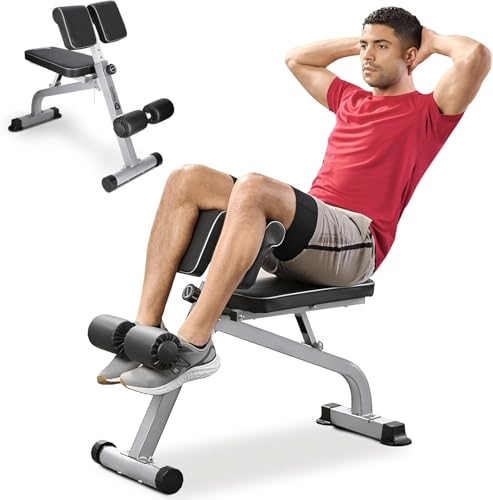
- Supports 20+ exercises including hip thrusts and back extensions.
- Ten height positions help dial in alignment.
- Foldable steel frame holds up to 330 lbs.
Best For: Home exercisers who want a foldable bench for hip thrusts, back extensions, and core work
Adjustable Pelvic Floor Trainer
Adjustable Kegel Exerciser with Band

- 22-77 lb adjustable resistance
- 360° rotatable leg plates
- Compact, no-assembly design
Best For: Beginners, postpartum recovery, and portable lower-body training
Recovery-Focused Hip Glider
Knee & Hip Recovery Slide Board

- Smooth low-impact gliding motion
- Helps mobility and blood circulation
- Lightweight oak build with anti-slip pads
Best For: Hip and knee recovery, stroke rehab, and gentle mobility work
LED-Count Adjustable Thigh Trainer
Big LED Display & 360° Rotation

- Big LED screen tracks reps clearly
- 360° rotation supports different angles
- Rechargeable with Type-C cable included
Best For: Rechargeable, angle-adjustable training at home
35LB Comfort Thigh Trainer
Soft Pads & Low-Impact Resistance

- 35 lb resistance for gentle training
- Soft TPE pads help limit chafing
- Compact and quick to assemble
Best For: Beginners wanting a portable, comfortable trainer
35LB Black-Red Thigh Trainer

- 35 lb resistance for low-impact use
- Lightweight and easy to carry
- Includes illustrated workout guide
Best For: Portable manual training with a bold colorway
Dual-Function Hip Strength Trainer – HA1 2-in-1 Hip Abductor and Adductor Machine
If you want a hip mobility trainer that also builds glutes and inner thighs, this 2-in-1 machine is a practical home-gym option. It switches between hip abduction and adduction, and the adjustable resistance bands let you scale from activation work to heavier lower-body training without changing equipment.
Best For: Home users who want one machine for hip mobility, glute work, and inner-thigh training.
Pros:
- 2-in-1 design supports both hip abduction and adduction.
- Six resistance bands offer 36, 72, or 108 lbs of training resistance.
- Quiet steel-frame build suits apartment or shared-space workouts.
- Dual foot bar and padded contact points help keep positioning stable and comfortable.
Cons:
- It is a dedicated machine, so it takes more space than portable mobility tools.
- Primarily geared toward lower-body isolation rather than full-body training.
For buyers who want a more complete hip mobility trainer setup at home, this model stands out for its adjustability and stable feel. It is especially useful if you want one piece of equipment that can cover rehab-style activation, toning, and progressive strength work.
Hip Flexor Release Tool – Aletha Psoas Massage Ball
For a compact hip mobility trainer focused on release rather than strength, this massage ball is built to target tight hip flexors and trigger points. It uses body-weight compression to help ease tension in the hips, lower back, tailbone, and knees, making it easy to fit into a short daily recovery routine.
Best For: People who want a portable self-release tool for tight hips and lower-body recovery.
Pros:
- Targets hip flexor and psoas tension with compression-based massage.
- Compact, lightweight design is easy to use at home, the gym, or while traveling.
- May help improve circulation, mobility, and range of motion.
- Built for quick sessions, with guidance available through tutorial videos.
Cons:
- Manual tool only, so it does not provide active strengthening or resistance training.
- Requires correct positioning and body-weight pressure to be effective.
This is a simple option if your priority is loosening tight tissue before or after training. It is less of a workout device and more of a targeted recovery tool, which makes it a smart complement to other hip mobility work.
Ankle Control Board – StrongTek Single-Leg Balance Trainer
If your hip mobility trainer plan starts with better foot and ankle control, this balance board is a useful foundation piece. Its single-leg design challenges stabilizer muscles, coordination, and movement awareness, which can support more controlled lower-body mechanics during training.
Best For: Users who want to build ankle stability and balance as part of hip and lower-body mobility work.
Pros:
- Single-leg format focuses on balance, coordination, and stabilizer muscles.
- Textured non-slip pads and a grippy base help keep movement controlled.
- Lightweight, foldable design is easy to store and carry.
- Includes a guide with routines for beginners and more experienced users.
Cons:
- It trains ankle and balance control more than the hips directly.
- Best suited to one-foot practice, so it is less versatile than multi-use trainers.
This board makes sense if you want to improve the base that hip movement depends on. It is not a full hip machine, but it can complement hip mobility training by improving stability and lower-body control.
Lower-Body Extension Bench – Lifepro SculptTrainer Roman Chair
For buyers looking for a more training-focused hip mobility trainer, this roman chair supports back extensions, hip thrusts, sit-ups, and other lower-body exercises. The adjustable height settings help dial in hip-crease alignment, which is useful when you want targeted work for glutes, hamstrings, and lower back.
Best For: Home exercisers who want a foldable bench for hip thrusts, back extensions, and core work.
Pros:
- Supports 20+ exercises, including hip thrusts and back extensions.
- Ten height positions help adjust fit and alignment.
- Steel frame and wide base are built for up to 330 lbs.
- Folds flat for easier storage in smaller spaces.
Cons:
- Bulkier than compact mobility tools and not as portable.
- Best for strength and extension training, not isolated hip release.
This is the most workout-oriented option in the group and a strong pick if you want to combine mobility with strength work. It gives you a stable platform for posterior-chain training, while still staying foldable for home use.
Adjustable Pelvic Floor Trainer – Adjustable Kegel Exerciser with Band
If you want a hip mobility trainer that also supports pelvic floor work, this adjustable exerciser is built for short, repeatable sessions at home or on the go. The 22-77 lb resistance range, rotatable leg plates, and compact manual design make it easy to target inner thighs, hips, arms, and other muscle groups without setup.
Best For: Beginners, postpartum recovery, and anyone wanting a portable lower-body training tool.
Pros:
- Adjustable resistance from 22 lb to 77 lb for progressive training
- 360° rotatable leg plates support multiple target areas, including thighs and back
- Thick cushioned, anti-slip plates are designed for comfort and stability
- No assembly required and easy to use at home, office, or while traveling
Cons:
- Manual-only design may feel basic if you want guided workout programs
- Focused more on strength and muscle engagement than true mobility drills
- Best for targeted sessions rather than full lower-body training variety
This is a practical pick if your priority is a simple, adjustable device for targeted hip and inner-thigh work. It’s compact, stable, and easy to fit into a daily routine, especially if you want a low-friction way to build strength around the hips and pelvic area.
Recovery-Focused Hip Glider – Knee & Hip Recovery Slide Board
For buyers looking for a hip mobility trainer focused on recovery, this knee and hip rehab glider is designed for smooth, low-impact movement. The self-powered slide board supports controlled exercise for flexibility, circulation, and mobility work in post-surgery or therapy settings.
Best For: Recovery from knee or hip surgery, stroke rehab, and gentle physical therapy at home.
Pros:
- Smooth gliding motion supports low-impact rehab exercises
- Helps improve flexibility, mobility, and blood circulation
- Lightweight oak design makes it easy to move and store
- Anti-slip rubber pads add stability during use
Cons:
- Maximum weight recommendation is listed at just 4 pounds
- Single-program, self-powered design keeps it very simple
- Primarily a rehab tool rather than a strength-training machine
This glider makes sense if you need gentle, controlled movement instead of heavy resistance. It’s best suited to recovery-focused users who want a compact aid for mobility work and circulation support.
2-in-1 Hip Strength Machine – 2-in-1 Hip Abductor & Adductor Machine
If you want a hip mobility trainer that also doubles as a strength machine, this 2-in-1 abductor and adductor setup covers both inner-thigh and outer-thigh/glute work. The 360° rotating leg pads, adjustable resistance, and stable steel frame make it a solid option for regular home sessions.
Best For: Home users who want one machine for hip, glute, and thigh training.
Pros:
- 2-in-1 design switches between adduction and abduction with rotating pads
- 20-120 lb adjustable resistance supports different training stages
- Steel frame is rated up to 450 lb for stable daily use
- Compact footprint makes it easier to place in a home gym or living space
Cons:
- Requires assembly before use
- More of a sculpting and strengthening machine than a rehab aid
- Resistance customization depends on band wrapping patterns
This is a strong choice if your goal is to train hips, glutes, and thighs with one compact machine. It offers more workout variety than a basic exerciser, while still staying practical for home use.
LED-Count Adjustable Thigh Trainer – Big LED Display & 360° Rotation
If you want a hip mobility trainer that also works as a compact lower-body and pelvic floor tool, this upgraded thigh trainer is built for simple at-home use. The big LED display makes it easy to track reps, while the 360° rotation lets you position the pads at different angles for a more versatile workout.
Best For: Users who want a rechargeable, angle-adjustable trainer for thighs, hips, arms, and pelvic floor work.
Pros:
- Big LED display helps you monitor counting during workouts
- 360° rotation and angle фикing support varied positioning
- Adjustable resistance with a reinforced steel spring
- Rechargeable design includes a Type-C cable
Cons:
- Manual knob adjustment may take a little fine-tuning
- Single-unit design keeps the focus on basic training rather than advanced features
- Best suited to light home workouts rather than heavy gym-style training
Overall, this is a practical pick if you want a hip mobility trainer with easy operation and a count-tracking display. It’s especially appealing for users who value adjustable angles, rechargeable convenience, and a no-assembly setup.
35LB Comfort Thigh Trainer – Soft Pads & Low-Impact Resistance
This hip mobility trainer style exerciser is designed for straightforward, low-impact squeezing workouts that target multiple muscle groups at once. With 35 lb resistance, soft TPE pads, and a compact frame, it’s a simple option for home use, desk breaks, or travel.
Best For: Beginners and busy users who want a compact, comfortable trainer for thighs, glutes, core, and pelvic floor work.
Pros:
- 35 lb resistance supports light, low-impact training
- Soft anti-slip TPE pads help reduce friction and red marks
- 360° rotatable pads allow more flexible positioning
- Quick 30-second assembly and compact size for portability
Cons:
- Only one resistance level is listed
- Focuses on squeeze-style exercises rather than a wide range of motion
- Not intended as a substitute for larger strength equipment
As a lightweight, easy-to-store option, this trainer makes sense if you want something comfortable and simple to use every day. The low-impact design and included workout guide make it approachable for first-time users.
35LB Black-Red Thigh Trainer – Portable Full-Body Toner
If you’re comparing a hip mobility trainer for simple home workouts, this version keeps the same low-impact 35 lb setup while adding a black-red finish. It’s built for squeezing movements that can engage the inner thighs, glutes, core, and other upper-body areas through adjustable pad angles.
Best For: Users who want a compact manual trainer with a black-red colorway and the same 35 lb resistance format.
Pros:
- 35 lb resistance supports compact, joint-friendly workouts
- 360° rotatable pads aim for better comfort and positioning
- Lightweight design fits bags, drawers, or travel use
- Includes an illustrated guide for basic movement ideas
Cons:
- Single resistance level limits progression options
- Manual operation means no digital tracking
- Performance focus is on simple squeezing drills, not complex training
This is a solid choice if you want a straightforward hip mobility trainer that’s easy to carry and easy to understand. The design stays practical, with the main appeal being portability, comfort pads, and simple resistance-based use.
How We Picked the Best Hip Mobility Trainer Options
We looked for devices that serve a clear purpose: hip activation, range-of-motion work, controlled resistance, or rehab-friendly movement support. The best picks offer a stable design, usable resistance levels, and a form factor that fits common home spaces.
We also considered build quality, ease of setup, adjustability, and whether the product is better suited for strength training, recovery, or flexibility work. A good Hip Mobility Trainer should feel purposeful, not gimmicky.
Quick Comparison: What Types Stand Out
Some products are built around abductor/adductor training for glutes and inner thighs, while others emphasize stretching, soft-tissue release, balance, or post-injury mobility. Pelvic floor-style trainers may also overlap with hip work, but they are best for users looking for lighter resistance and targeted activation.
For rehab or post-surgery use, smoother and more controlled motion usually matters more than heavy resistance. For strength-focused buyers, adjustable load and stable footing become the priority.
Key Buying Factors for a Hip Mobility Trainer
Resistance and Range
Look for adjustable resistance if you want progression over time. Lower starting resistance is useful for beginners, older adults, and rehab users, while higher resistance suits strength and conditioning goals.
Stability and Safety
Non-slip surfaces, sturdy frames, and predictable motion help you train with confidence. This matters most if you plan to use the trainer standing, seated, or under fatigue.
Comfort and Fit
Padded contact points, smooth pivots, and simple adjustments make the experience more comfortable. If a device feels awkward to set up, you are less likely to use it consistently.
Portability and Space
Compact or foldable designs are a strong advantage for home gyms. If storage is limited, prioritize equipment that is easy to move and quick to put away.
Who Should Buy Which Hip Mobility Trainer?
If your goal is glute and inner-thigh strength, choose a resistance-based machine. If you want recovery support, a glider or mobility tool may be the better fit. If you need gentle activation or pelvic-floor-adjacent training, a lighter adjustable exerciser is often the most approachable choice.
For most buyers, the best Hip Mobility Trainer is the one that matches your main use case: strength, mobility, rehab, or daily maintenance. Start with your goal first, then choose the simplest tool that helps you train consistently.