The best spotting scopes for travel make long-distance viewing easier without turning your gear bag into a burden. This roundup includes compact monoculars, lightweight micro scopes, and larger models for brighter, steadier views.
Use the guide below to compare portability, magnification, optics, focusing, weather resistance, and tripod compatibility before choosing the right scope for your next trip.
Best 10 Spotting Scopes for Travel Picks for 2026
Best Ultra-Portable Spotting Scope
Celestron Hummingbird ED 9-27x56
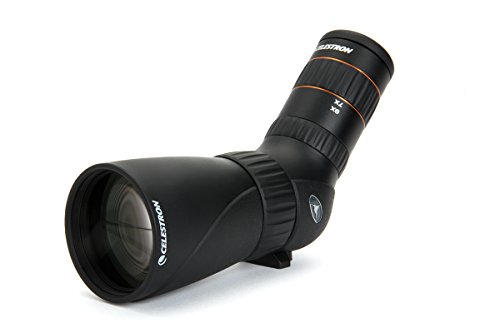
- Pocket- and bag-friendly 1.4-pound design
- ED glass with 9-27x zoom
- Waterproof and close-focus capable
Best For: Traveling birders and wildlife watchers
Best Travel Monocular Value
Usogood 10x42 Portable Monocular

- Compact 10x42 handheld design
- BAK4 prisms and fully multi-coated lenses
- Waterproof with smartphone and tripod support
Best For: Hiking, camping, travel, and casual birding
Best High-Power Travel Spotter
Vortex Crossfire HD 12-36x50 Angled

- 12-36x magnification for distant viewing
- HD optics with anti-reflective coatings
- Arca-Swiss foot and lifetime VIP warranty
Best For: Tripod-based wildlife and long-distance observation
Best Pocket Monocular for Travel

- Tiny 5.8-ounce pocket-sized design
- ED glass and BAK4 prisms
- 0.3-meter close focus and IPX7 waterproofing
Best For: Ultralight hiking, backpacking, and casual travel viewing
Best Value Full-Size Spotter

- 20-60x zoom with an 80mm objective lens
- HD, fully multi-coated optics for clear viewing
- Weatherproof build with Arca-Swiss foot
Best For: Travelers seeking powerful tripod-based viewing
Best Pocket-Friendly Pick

- Lightweight 285-gram handheld design
- Fully multi-coated optics with BAK-4 prism
- Waterproof, fogproof, and shockproof
Best For: Hikers and travelers who value portability
Best Beginner Zoom Kit

- 25-75x zoom for flexible long-distance viewing
- Includes phone adapter, case, and tripod
- 70mm lens with light weather protection
Best For: Beginners and travelers building a starter observation kit
Travel-Ready High-Zoom Pick

- 20-60x zoom for long-range observation
- 80mm FMC lens with BAK4 prism
- Includes tabletop tripod and phone adapter
Best For: Travelers wanting bright, high-magnification views with useful accessories
Practical Pack-and-Go Option
25-75x60 with Full-Height Tripod

- 25-75x zoom for flexible outdoor viewing
- 60-inch adjustable tripod included
- Carry bag and phone adapter included
Best For: Travelers needing comfortable full-height viewing for outdoor activities
Long-Range Travel Performer

- 25-75x zoom with an 80mm objective lens
- Waterproof and fogproof sealed construction
- Includes phone holder, case, and tabletop tripod
Best For: Travelers prioritizing bright, high-reach viewing over low weight
Best Ultra-Portable Spotting Scope – Celestron Hummingbird ED 9-27×56
For travelers who want true spotting-scope versatility without carrying a bulky optic, the Celestron Hummingbird ED is a compelling choice among spotting scopes for travel. Its 9-27x zoom range bridges binocular-style viewing and higher-powered observation, while the compact design fits in a vest pocket, belt pack, or shoulder bag.
Best For: Birders and wildlife watchers who prioritize portability, close focusing, and optical quality.
Pros:
- Compact 1.4-pound design is easy to carry while traveling.
- ED glass helps produce sharp images with well-managed color.
- 9-27x magnification and a 10-foot close-focus distance suit birding.
- Waterproof, nitrogen-filled construction handles wet and humid conditions.
Cons:
- Manual focus requires hands-on adjustment.
- A tripod, monopod, or window mount may be preferable at higher magnifications.
The Hummingbird stands out when packability matters but you still want zoom magnification and ED-glass performance. Its limited lifetime warranty and U.S.-based support add reassurance for frequent travelers.
Best Travel Monocular Value – Usogood 10×42 Portable Monocular
The Usogood 10×42 is a practical alternative for travelers who want a compact handheld optic rather than a traditional tripod-mounted scope. It combines 10x magnification with a broad 360-foot field of view at 1,000 yards, and its included strap and pouch make it easy to carry on hikes, trips, and outdoor excursions.
Best For: Travelers seeking a versatile, handheld monocular for birding, hiking, camping, and sporting events.
Pros:
- Compact 6.1-inch body slips into a pocket or backpack.
- BAK4 prisms and fully multi-coated lenses support bright, clear views.
- Waterproof, fog-proof, dust-proof, and shock-resistant construction suits outdoor use.
- Tripod and smartphone-adapter compatibility expands its usefulness.
Cons:
- Fixed 10x magnification offers less flexibility than a zoom scope.
- Manual focus requires adjustment for changing viewing distances.
This monocular is a strong travel pick when convenience and handheld stability matter more than high-power spotting. The included carrying accessories and two-year warranty make it especially approachable for casual outdoor use.
Best High-Power Travel Spotter – Vortex Crossfire HD 12-36×50 Angled
The Vortex Crossfire HD is suited to travelers who are willing to carry a slightly more substantial scope for greater reach. Its 12-36x magnification, HD optical system, and Arca-Swiss-compatible foot provide a capable setup for detailed observation from a tripod or other stable mount.
Best For: Travelers who need higher magnification for distant wildlife, landscapes, or target observation.
Pros:
- 12-36x range provides substantially more reach than compact monoculars.
- HD optics and anti-reflective coatings support resolution, color fidelity, and light transmission.
- Helical focus enables fast, fine adjustments.
- Waterproof, fogproof, shockproof design is backed by Vortex’s lifetime VIP warranty.
Cons:
- At 1.9 pounds, it is less pocketable than micro scopes or monoculars.
- Higher magnification is best used with a tripod or other stable support.
The Crossfire HD makes sense when travel observation demands detail rather than minimum weight. Its durable build, convenient mounting foot, and broad zoom range give it a more serious field-tool feel than compact handheld options.
Best Pocket Monocular for Travel – Olimt 8×25 ED Mini
When luggage space is extremely limited, the Olimt 8×25 is one of the easiest spotting scopes for travel to pack. Weighing just 5.8 ounces and measuring about 3.8 inches long, this pocket monocular offers 8x magnification, a wide field of view, and close focusing for nearby details.
Best For: Backpackers, hikers, and travelers who want the smallest lightweight optic for general outdoor viewing.
Pros:
- Ultra-light 5.8-ounce body fits easily in a pocket or daypack.
- ED glass, BAK4 prisms, and fully multi-coated optics support clarity and color reproduction.
- 0.3-meter close focus works well for nearby subjects and macro-style viewing.
- IPX7 waterproof, nitrogen-filled construction is designed for challenging conditions.
Cons:
- 8x magnification provides less reach than higher-powered scopes.
- The 25mm objective lens is smaller than those on the other listed optics.
The Olimt prioritizes portability above all else, making it a sensible companion for lightweight travel and spontaneous viewing. It is best for close-to-moderate observations where minimal size and weight matter more than maximum magnification.
Best Value Full-Size Spotter – Vortex Crossfire HD 20-60×80
For travelers who want serious reach without giving up practical features, the Vortex Crossfire HD is a strong choice among spotting scopes for travel. Its 20-60x zoom, 80mm objective lens, HD optics, and Arca-Swiss-compatible foot make it well suited to tripod-based wildlife, landscape, and long-distance viewing.
Best For: Travelers who prioritize optical performance, low-light capability, and a durable full-size spotting scope.
Pros:
- 20-60x magnification and an 80mm objective lens provide substantial viewing range and light gathering.
- HD optics and fully multi-coated lenses are designed for resolution, color fidelity, edge-to-edge sharpness, and light transmission.
- Waterproof, fogproof, and shockproof construction includes rubber armor and a built-in sunshade.
- Arca-Swiss compatibility and the unlimited, unconditional lifetime warranty add convenience and long-term value.
Cons:
- At 3.3 pounds and 15.6 inches long, it is less convenient for lightweight or minimalist travel.
- It is designed for tripod use rather than quick handheld viewing.
The Crossfire HD favors capability over compactness. Its size is a consideration for packing, but the high magnification, generous objective lens, weather protection, and included covers make it a dependable option when performance matters more than carrying the lightest kit.
Best Pocket-Friendly Pick – FEEMIC 8×42 Compact Monocular
The FEEMIC 8×42 is a practical lightweight alternative for travelers who value portability over extreme magnification. Its compact monocular design, wide field of view, hand strap, and carry case make it easy to bring on hikes, sightseeing trips, and wildlife outings.
Best For: Travelers wanting a compact, easy-to-handle optic for general outdoor viewing and scenery.
Pros:
- Compact 8×42 design weighs 285 grams and can be used with one hand.
- Fully multi-coated optics and a BAK-4 prism are intended to improve brightness and light transmission.
- Waterproof, fogproof, dustproof, and shockproof construction supports outdoor use.
- Includes a hand strap, carry case, adjustable eyecup, and tripod connector.
Cons:
- Its fixed 8x magnification offers less reach than a zoom spotting scope.
- The supplied notes do not list a warranty.
This monocular is the easiest option here to pack and carry. It is best viewed as a grab-and-go travel optic for nearby subjects, rather than a replacement for a full-size scope when you need detailed long-distance observation.
Best Beginner Zoom Kit – SVBONY SV28 25-75×70
The SVBONY SV28 offers an approachable way to get high magnification for travel, range use, and wildlife viewing. Its 25-75x zoom, 70mm objective lens, carrying case, phone adapter, and included desktop tripod create a convenient starter package for travelers who want to observe and share what they see.
Best For: Beginners who want a versatile zoom scope with basic tripod and smartphone accessories included.
Pros:
- 25-75x zoom provides more magnification flexibility than a fixed-power monocular.
- The 70mm objective lens is designed to gather more light for viewing targets at distance.
- Includes a phone adapter, carrying case, lens covers, cleaning cloth, and portable tripod.
- Built-in sunshade, non-slip finish, and light waterproof and fogproof protection support outdoor use.
Cons:
- At 910 grams and 14.17 inches long, it is not the most compact travel optic.
- The included desktop tripod is geared toward portable or range use rather than full-height viewing.
- The listed warranty is 60 days.
The SV28 balances high magnification with a useful starter bundle. It makes sense for travelers who want to experiment with digiscoping or long-distance viewing, though its bulk and included desktop tripod may limit convenience on extended hikes.
Travel-Ready High-Zoom Pick – Bright 20-60×80 Viewing
For travelers who want spotting scopes for travel with strong long-range capability, this Gosky model combines 20-60x variable magnification with a large 80mm objective lens. Its included tabletop tripod, carrying case, and smartphone adapter make it useful for wildlife viewing, birdwatching, scenic overlooks, and target shooting.
Best For: Travelers prioritizing bright views, high magnification, and included phone-capture accessories.
Pros:
- 20-60x zoom supports detailed viewing at varying distances.
- 80mm fully multi-coated lens and BAK4 prism are designed for brighter, sharper images.
- Nitrogen-filled, sealed construction provides waterproof and fog-proof protection.
- Includes a tabletop tripod, phone adapter, carrying case, lens covers, and cleaning cloth.
Cons:
- At 2.4 pounds, it may be less convenient for minimalist travelers.
- The included tripod is a tabletop design rather than a full-height travel tripod.
- Manual focusing requires hands-on adjustment.
The large objective lens and high zoom range favor brightness and reach over compactness. It is a practical choice when you can accommodate a somewhat larger kit and want a complete setup for outdoor observation.
Practical Pack-and-Go Option – 25-75×60 with Full-Height Tripod
This NWDEY scope is a practical option for spotting scopes for travel when a more comfortable viewing height matters. It offers 25-75x magnification, a 60mm fully multi-coated lens, and an upgraded 60-inch tripod, along with a carry bag and phone adapter for outdoor observation.
Best For: Travelers who want a full-height tripod for birdwatching, range use, camping, or nature viewing.
Pros:
- 25-75x zoom provides flexibility from easier target finding to detailed viewing.
- 60mm FMC lens and BAK4 prism support bright, high-contrast daytime images.
- Included 60-inch tripod offers adjustable height, three-way angle adjustment, and quick-release setup.
- Carry bag, phone adapter, lens covers, and cleaning cloth are included.
Cons:
- Higher magnification requires a firm, level setup for stability.
- Phone adapter performance depends on careful alignment and the phone model.
- The 60mm objective lens is smaller than the 80mm lenses in the other listed options.
Starting at 25x is sensible for finding and tracking subjects, while the full-height tripod can be more comfortable than a tabletop model. This is a balanced choice for travelers who value setup height and practical versatility.
Long-Range Travel Performer – 25-75×80 DiamondEdge
For spotting scopes for travel that emphasize bright long-range viewing, this Gosky model pairs 25-75x magnification with an 80mm objective lens. Waterproof and fogproof construction, dual-speed focusing, and a supplied carrying case make it suited to birdwatching, wildlife viewing, hiking, and target shooting.
Best For: Travelers seeking a bright, feature-rich scope for extended outdoor observation.
Pros:
- 25-75x magnification and an 80mm objective lens support long-range viewing.
- BAK4 prism optics and multi-coated glass are designed for bright images and color accuracy.
- Nitrogen-filled, O-ring-sealed construction provides waterproof and fogproof protection.
- Includes a tabletop tripod, phone holder, carrying case, lens covers, and cleaning cloth.
Cons:
- At 4.5 pounds, it is the heaviest of these three options for travel.
- The included tripod is a tabletop model, so a separate full-height tripod may be preferred outdoors.
- Its 15.5-inch optical tube may be cumbersome in compact luggage.
This model is best when optical reach and bright viewing matter more than minimizing packed size and weight. The dual-speed focusing system, twist-up eyecup, and retractable sunshade add useful handling features for serious outdoor use.
How We Picked These Spotting Scopes for Travel
We selected models across several travel needs and budgets, including pocket-size monoculars, compact 50mm to 60mm scopes, and larger 70mm to 80mm instruments. We considered listed optical features such as ED or HD glass, BAK4 prisms, fully multi-coated lenses, angled viewing, focusing controls, waterproofing, and included accessories.
Portability was also important. A scope may offer excellent magnification, but it is less useful on a trip if it is too heavy to carry or requires a bulky tripod. The products here represent different compromises between reach, brightness, stability, and packability.
Quick Comparison
| Type | Best suited for | Main advantage | Typical compromise |
|---|---|---|---|
| Pocket monocular | Casual sightseeing and hiking | Smallest and lightest option | Less reach and stability |
| Compact spotting scope | Birding and wildlife travel | Better detail in a portable body | Usually needs a tripod |
| Large angled scope | Range use and long-distance viewing | Brighter image and higher reach | Heavier and less convenient to pack |
| Scope with tripod bundle | Budget-conscious beginners | Ready-to-use setup | Tripod quality may limit stability |
Key Buying Factors for Spotting Scopes for Travel
Size, Weight, and Packability
Check the scope’s length and weight, not only its stated magnification. A compact 50mm or 56mm model is generally easier to carry than an 80mm scope. Pocket monoculars work well for quick observations, while larger scopes are better when viewing quality matters more than luggage space.
Magnification and Objective Size
High magnification is not always better. Ranges such as 12-36x or 20-60x offer flexibility, but the highest settings can make vibration and atmospheric shimmer more noticeable. Larger objective lenses gather more light, though they add bulk. For general travel, moderate magnification and a manageable objective lens are often the best balance.
Optical Quality and Focusing
ED or HD glass can help reduce color fringing, while fully multi-coated lenses improve light transmission. A smooth helical or dual-speed focus system is useful when switching between nearby and distant subjects. Angled eyepieces are often more comfortable for extended viewing and easier to share with people of different heights.
Stability and Weather Protection
At higher power, a tripod is essential. Look for standard tripod or Arca-Swiss compatibility, and treat included tabletop tripods as convenient rather than automatically sturdy. Waterproof, fogproof, and shock-resistant construction is valuable for changing travel conditions, but still protect the scope from prolonged rain and impacts.
Who Should Buy Which Spotting Scopes for Travel?
- Choose a pocket monocular if you prioritize minimum weight for hiking, sightseeing, or occasional wildlife viewing.
- Choose a compact micro spotting scope if you want a more capable travel setup for birding while keeping your bag reasonably small.
- Choose a 50mm to 60mm angled scope for a practical middle ground between portability, reach, and tripod use.
- Choose a 70mm to 80mm scope if bright, detailed views and long-range performance matter more than carrying comfort.
- Choose a bundle with a tripod and phone adapter if you are a beginner who wants a ready-to-use setup for observation or basic digiscoping.
Before buying, match the scope to your transport method and viewing habits. For most travelers, the best choice is the model you will actually carry, stabilize, and use regularly.