The right lifting belt can improve bracing, comfort, and confidence during heavy squats, deadlifts, and other strength movements. For a home gym, the best choice also needs to fit reliably, adjust easily, and store without taking up much space.
We compared 10 weightlifting belts across construction, closure systems, lumbar coverage, adjustability, and intended use so you can find practical support for your training style and budget.
Best 10 Weightlifting Belts for Home Gyms Picks for 2026
Best Adjustable Neoprene Belt
DMoose 6-Inch Weightlifting Belt

- Wide 6-inch lumbar support
- Breathable padded neoprene core
- Adjustable hook-and-loop closure
Best For: Comfort-focused home-gym lifters wanting broad support
Best Quick-Locking Belt
Element 26 Self-Locking Weightlifting Belt

- Automatic full-metal locking buckle
- Infinitely adjustable nylon design
- Competition-approved 4-inch profile
Best For: Versatile lifters training across strength and Olympic movements
Best Leather Belt
Gymreapers Real Leather Weightlifting Belt

- Reinforced real leather construction
- Supportive 4-inch profile
- Adjustable metal buckle with multiple holes
Best For: Lifters wanting a durable, traditional leather belt
Best Hip-Thrust Belt
Bellabooty Premium Hip Thrust Belt

- Supports up to 400 pounds
- Padded, non-slip Cordura design
- Sets up in under 20 seconds
Best For: Comfort-focused hip thrusts and glute training at home
Best Adjustable Back-Support Belt
6-Inch Auto-Lock Weightlifting Belt
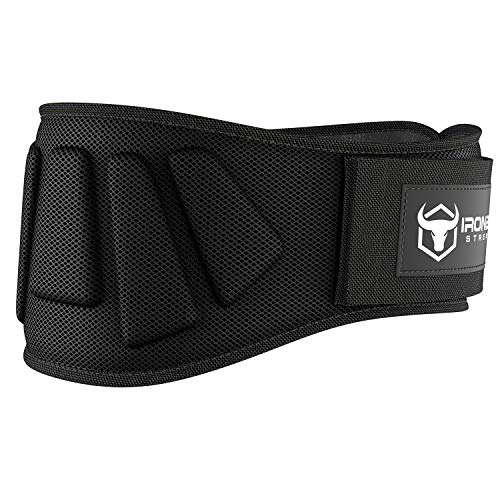
- 6-inch nylon back support
- Auto-lock roller buckle
- Lightweight neoprene and mesh construction
Best For: Versatile home strength training and cross-training
Best Dip and Pull-Up Belt

- Supports up to 350 pounds
- 36-inch heavy-duty steel chain
- Padded for weighted bodyweight work
Best For: Weighted dips, pull-ups, squats, and home strength training
Quick-Lock Convenience

- Quick-locking buckle for faster transitions
- Lightweight 4-inch nylon construction
- Full-width support for varied training
Best For: Cross-training and mixed home-gym workouts
Classic Leather Support
Genuine Leather Weight Lifting Belt

- Double-sided leather construction
- Suede lining for added padding
- Reinforced stitching for heavy use
Best For: Traditional strength training at home
Adjustable Cowhide Strength
RDX Cowhide Leather Lifting Belt

- 7 mm genuine cowhide leather
- Ten-hole dual-pronged adjustment
- Available in 4-inch and 6-inch widths
Best For: Heavy squats, deadlifts, and powerlifting
Best Adjustable Neoprene Belt – DMoose 6-Inch Weightlifting Belt
For home lifters who want broad lumbar coverage without a rigid leather design, the DMoose is a practical choice among weightlifting belts for home gyms. Its 6-inch back support, contoured shape, and padded neoprene construction are suited to squats, deadlifts, and demanding cross-training sessions.
Best For: Lifters seeking a comfortable, adjustable belt with wide back support for general strength training.
Pros:
- 6-inch back support provides broad coverage during heavy lifts.
- Neoprene construction and a breathable foam core add cushioning for longer sessions.
- Hook-and-loop closure and an advanced locking mechanism support quick, secure adjustments.
- Designed for both men and women.
Cons:
- The 6-inch profile may feel more substantial than a narrower lifting belt.
- Neoprene may not provide the rigid feel some powerlifters prefer.
The DMoose emphasizes comfort, adjustability, and broad lumbar support. It is a sensible home-gym option when versatility and cushioning matter more than a competition-style profile.
Best Quick-Locking Belt – Element 26 Self-Locking Weightlifting Belt
The Element 26 stands out for its self-locking metal buckle and uniform 4-inch profile. For weightlifting belts for home gyms, it offers a performance-focused design that can transition between squats, deadlifts, cleans, and other functional training movements.
Best For: Lifters who prioritize fast adjustments, a breathable nylon build, and competition-style versatility.
Pros:
- Full-metal self-locking buckle engages under load and releases quickly.
- Infinitely adjustable nylon strap allows precise pressure control.
- Breathable nylon is designed not to retain sweat and can be hand washed.
- Uniform 4-inch design is suitable for powerlifting, Olympic lifting, and functional fitness.
Cons:
- The straight 4-inch profile may provide less contoured coverage than a wider belt.
- It may feel less padded than neoprene or foam-supported alternatives.
With reinforced stitching, a metal locking buckle, and a foldable nylon construction, this belt is built around reliable performance and portability. It is particularly appealing for home-gym users who want one belt for multiple lifting styles.
Best Leather Belt – Gymreapers Real Leather Weightlifting Belt
The Gymreapers belt is a traditional option for shoppers comparing weightlifting belts for home gyms. Made from reinforced real leather with a 4-inch profile, it is designed to provide stable support for bodybuilding, squats, and other strength-training work.
Best For: Lifters who prefer the durability, structure, and classic feel of a real leather belt.
Pros:
- Real reinforced leather and stitching are built for long-term use.
- 4-inch width supports the back, spine, and core during heavy training.
- Metal buckle and multiple adjustment holes help create a personalized fit.
- At about 1.5 pounds, it rolls for relatively compact gym-bag storage.
Cons:
- Leather may require more break-in than a flexible nylon or neoprene belt.
- The buckle-based design is less immediately adjustable than a quick-lock strap.
This belt suits home lifters who value a durable, supportive material and a conventional buckle fit. Its 4-inch form-fitting design balances support with relatively low weight and easy storage.
Best Wide Support Belt – RitFit 6-Inch Self-Locking Belt
The RitFit combines a wide 6-inch contoured profile with a self-locking buckle and padded support. It is a useful pick among weightlifting belts for home gyms when you want coverage for squats, deadlifts, lunges, thrusters, and core-focused strength work.
Best For: Home-gym lifters who want extra-wide lumbar coverage, quick adjustment, and multiple size options.
Pros:
- Extra-wide 6-inch design supports the back, abs, and core.
- Reinforced tricot construction is designed for durability and a snug fit.
- Velcro strap and stainless steel buckle allow quick adjustments.
- Available in sizes S through XXL and several colors.
Cons:
- The wide profile may feel restrictive for some exercises or body types.
- Hook-and-loop closure may appeal less to lifters seeking a traditional leather buckle.
RitFit focuses on broad, padded coverage and easy adjustment rather than a minimalist profile. Its size range and versatile exercise list make it a practical choice for varied home strength routines.
Best Hip-Thrust Belt – Bellabooty Premium Hip Thrust Belt
For home gym users comparing weightlifting belts for home gyms, the Bellabooty Premium Hip Thrust Belt is designed specifically for hip thrusts while also supporting squats, lunges, and similar movements. Its padded Cordura construction and loop-based setup make it a comfort-focused option for glute training with dumbbells, kettlebells, or plates.
Best For: Home lifters prioritizing comfortable, supported hip thrusts and glute-focused training.
Pros:
- Handles up to 400 pounds according to the supplied product details.
- Plush padding and a non-slip fit are intended to improve comfort and stability.
- Loop-wrap setup is designed to be workout-ready in under 20 seconds.
- Works with dumbbells, kettlebells, and plates for versatile home workouts.
Cons:
- Its hip-thrust-focused design may be less suitable for conventional back support during heavy barbell lifts.
- The supplied size is listed as US 38 inches, so fit should be checked before ordering.
The Bellabooty is a specialized choice rather than an all-purpose lifting belt. Choose it when hip thrust comfort, quick setup, and flexible home glute training matter most.
Best Adjustable Back-Support Belt – 6-Inch Auto-Lock Weightlifting Belt
Among weightlifting belts for home gyms, this 6-inch nylon and neoprene belt is built for back and abdominal support during squats, deadlifts, rows, cross-training, and other lifting movements. Its contoured shape, hook-and-loop strap, and auto-lock buckle are aimed at combining stability with freedom of movement.
Best For: Home gym lifters who want lightweight, adjustable support for varied strength workouts.
Pros:
- Reinforced 6-inch back area and 4-inch Velcro strap provide a secure fit.
- Contoured and tapered design supports the back and stomach while allowing movement.
- Auto-lock roller buckle is designed for straightforward, reliable fastening.
- Neoprene and mesh construction is described as comfortable and breathable.
Cons:
- Accurate measuring is important; the listing advises using true waist size rather than pants size.
- The supplied product details list a medium size with a 30-inch waist, which may not fit every user.
This belt is a practical general-purpose option for home training, especially if you value easy adjustment and a lighter design. Confirm your waist measurement and consult the listing’s sizing chart before purchase.
Best Dip and Pull-Up Belt – DMoose Fitness Dip Belt
For home gyms equipped for bodyweight strength work, the DMoose Fitness Dip Belt is a useful addition to a weightlifting belts for home gyms roundup. It uses a 36-inch steel chain to attach plates or kettlebells for weighted dips, pull-ups, squats, and other exercises, with neoprene padding for added comfort.
Best For: Lifters adding resistance to dips, pull-ups, and other weighted bodyweight exercises.
Pros:
- Heavy-duty steel chain supports up to 350 pounds according to the supplied details.
- Thick neoprene padding is intended to reduce lower-back and hip strain.
- Reinforced stitching, strong carabiners, and a heavy-duty nylon strap support frequent use.
- Universal sizing and hook-and-loop closure simplify setup.
Cons:
- This is a dip-style belt, so it is not designed primarily for conventional barbell back support.
- Weighted exercises require compatible plates, kettlebells, or a suitable home-gym station.
The DMoose stands out for home athletes who want to progressively load dips and pull-ups. Its robust chain and padded construction make it more specialized than a standard lumbar-support belt, but well suited to weighted bodyweight training.
Quick-Lock Convenience – Gymreapers Quick Locking Belt
For home gyms where you may switch quickly between movements, the Gymreapers Quick Locking Belt offers a practical, lightweight option among weightlifting belts for home gyms. Its 4-inch, full-width nylon design uses a quick-locking buckle intended to provide a secure fit with minimal downtime.
Best For: Lifters who prioritize fast adjustments for cross-training, Olympic lifting, and varied home-gym workouts.
Pros:
- Quick-locking buckle makes fastening and releasing convenient between exercises.
- Full-width 4-inch design is intended to support the core consistently around the belt.
- Lightweight nylon construction includes reinforced stitching and a heavy-duty buckle.
- Designed for use across powerlifting, bodybuilding, Olympic lifting, and cross-training.
Cons:
- Nylon construction may not appeal to lifters specifically seeking a traditional leather belt.
- Accurate sizing requires measuring around the navel rather than relying on waist or pant size.
This belt stands out for convenience and lower bulk. It is a sensible choice for a home setup that mixes strength work with faster-paced training, provided you follow the manufacturer’s sizing instructions.
Classic Leather Support – Genuine Leather Weight Lifting Belt
This genuine leather belt is a traditional option among weightlifting belts for home gyms, with a widened profile, suede lining, and buckle closure. Its double-sided leather construction is designed to provide back and abdominal support during weightlifting, cross-training, and daily fitness.
Best For: Home-gym lifters who prefer a padded, suede-lined leather belt for routine strength training.
Pros:
- Double-sided leather construction is designed for durability and firm support.
- Suede inner lining adds padding and helps improve comfort against the skin.
- Reinforced top stitching is intended to withstand high-strength use.
- Adjustable buckle supports fit customization across the listed size range.
Cons:
- Leather construction may feel less lightweight than a nylon lifting belt.
- Buyers must measure their true waist around the lower back and over the belly button, not their pant size.
- The supplied details list a 6-inch-wide brown version, which may feel substantial for some users.
With its leather build and suede interior, this model favors a classic, supportive feel over quick-release convenience. It is a reasonable match for home lifters who want a substantial belt for regular strength sessions.
Adjustable Cowhide Strength – RDX Cowhide Leather Lifting Belt
The RDX cowhide belt combines a 7 mm leather build with a dual-pronged roller buckle and ten adjustment holes. For shoppers comparing weightlifting belts for home gyms, its available 4-inch and 6-inch profiles offer a choice between a more streamlined fit and added padded lumbar coverage.
Best For: Lifters seeking a durable leather belt with precise hole adjustment for squats, deadlifts, and powerlifting-style training.
Pros:
- Genuine cowhide leather and 7 mm thickness are designed for durability and pressure management.
- Available in 4-inch and 6-inch versions with a wide padded back.
- Ten precision-drilled holes provide multiple fitting positions.
- Dual-pronged steel roller buckle, reinforced rivets, and a suede interior support stability and comfort.
Cons:
- Leather construction may be bulkier than a lightweight nylon belt.
- The dual-pronged buckle is slower to adjust than a quick-locking design.
- Sizing requires following the chart and measuring around the lower back and belly button.
This RDX model is geared toward structured strength training and offers more adjustment points than many basic buckle belts. Choose the width and size carefully, especially if your measurement falls between two listed ranges.
How We Picked the Best Weightlifting Belts for Home Gyms
We focused on the features that matter most when equipment is used regularly at home: material quality, belt width, closure security, fit range, comfort, and versatility. The lineup includes genuine leather belts for rigid support, padded and neoprene models for comfort, self-locking designs for fast adjustments, and a dip belt for weighted pull-ups and dips.
We also considered whether each belt suits beginners, general strength training, bodybuilding, powerlifting, or accessory work. A good belt should complement sound lifting technique rather than compensate for poor bracing or mobility.
Quick Comparison
| Design | Best For | Main Advantage |
|---|---|---|
| Self-locking belt | Home workouts and varied training | Fast, secure adjustments |
| Leather belt | Heavy squats and deadlifts | Rigid, durable support |
| Neoprene or padded belt | General fitness and comfort | Flexible, forgiving fit |
| Dip belt | Weighted dips and pull-ups | Supports hanging loads |
| Hip thrust belt | Glute training | More comfortable load placement |
Key Buying Factors for Weightlifting Belts for Home Gyms
Material and Stiffness
Leather generally offers the firmest support and long-term durability, but it may require a break-in period. Neoprene and padded synthetic belts are usually more comfortable for mixed workouts and beginners, though they provide less rigid resistance against the torso.
Width and Lumbar Coverage
Six-inch belts provide broad back coverage and can feel supportive for squats and deadlifts. Four-inch belts are often less restrictive and easier to use for dynamic training. Choose the width that supports your lifting without limiting your range of motion.
Closure and Adjustability
Self-locking mechanisms are convenient when multiple people share a home gym or when exercises require frequent fit changes. Buckle belts can feel highly secure, while multiple adjustment holes provide predictable sizing. Check the manufacturer’s waist range rather than relying only on your usual clothing size.
Intended Exercise
A standard lifting belt is designed for bracing during loaded lifts. A dip belt or hip thrust belt serves a different purpose and should not be treated as a replacement for a squat or deadlift belt.
Who Should Buy Which Weightlifting Belts for Home Gyms?
Choose a leather belt if heavy squats, deadlifts, or powerlifting are your priority and you want firm, durable support. Choose a self-locking belt if convenience, quick changes, and general home-gym versatility matter most. Choose a padded or neoprene belt if you are new to belt training or prefer comfort during moderate-intensity workouts. Choose a dip belt for weighted pull-ups and dips, and select a hip thrust belt when glute-focused training is the main goal.
Whichever style you choose, measure your waist at the position where the belt will sit, confirm the adjustment range, and practice bracing with manageable loads before using it for maximal attempts.