Recovery-focused fitness trackers help turn sleep, heart-rate variability, activity, and workout data into practical guidance for your next training decision.
This roundup compares 10 options, from subscription-based screenless wearables to GPS running watches and affordable smart bands, so you can choose the right balance of insights, convenience, and cost.
Best 10 Fitness Tracker with Recovery Score Picks for 2026
Best Overall Recovery Coach

- Tracks recovery, sleep, HRV, and VO2 max
- Includes 12-month WHOOP One membership
- 14+ day battery with adjustable SuperKnit band
Best For: Athletes wanting detailed recovery guidance and coaching
Best Budget-Friendly Feature Set
Screenless Fitness Tracker Smart Band

- Tracks body energy, sleep, stress, and SpO2
- Includes 150+ sport modes and gesture controls
- Offers up to 21 days of battery life
Best For: Everyday users seeking long battery life and broad tracking
Best for Strength Training

- HybridCharge monitors energy, fatigue, and recovery
- Tracks sets, reps, training load, and recovery time
- Includes HYROX mode and 27 sports modes
Best For: Strength athletes and gym-focused multisport users
Best for Sleep and Recovery Insights
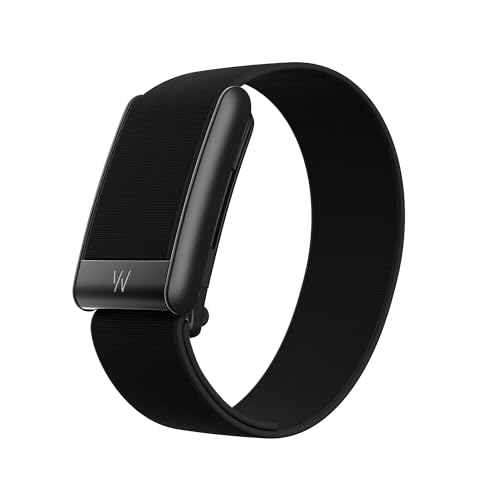
- Provides detailed sleep, strain, and recovery tracking
- Uses continuous HRV and heart-rate monitoring
- Includes AI coaching and a 12-month membership
Best For: Users focused on sleep quality and personalized recovery guidance
Runner's Choice
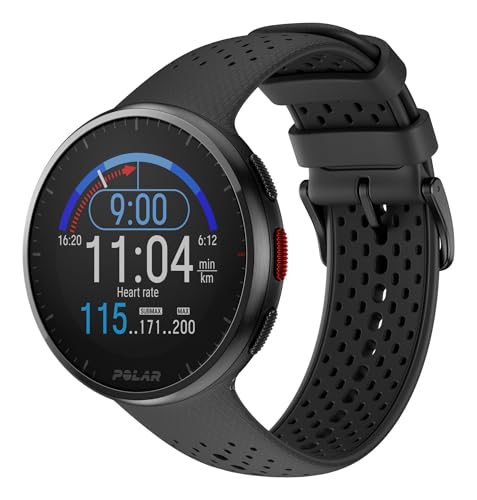
- 41 g running-focused design with GPS
- Sleep, heart-rate, and recovery tools
- Up to 35 hours in training mode
Best For: Runners wanting GPS-based training and recovery features
Subscription-Free Recovery

- Screenless, subscription-free design
- Tracks HRV, SpO2, sleep, and temperature
- Includes two strap sizes and voice control
Best For: Discreet 24/7 biomarker and recovery tracking
Everyday Wellness Pick

- Sleep score and stress management tools
- 24/7 heart-rate and workout tracking
- Up to 10 days of battery life
Best For: Everyday wellness and sleep tracking with smartphone GPS
Best Screenless Option

- HRV, sleep, stress, SpO2, and daily energy tracking
- Free app with AI wellness insights and no subscription
- 20–30-day battery with 170+ sports modes
Best For: Screen-free recovery and wellness tracking
Best Budget Display

- 24/7 heart-rate and blood-oxygen monitoring
- Sleep-stage reports through the Keep Health app
- AMOLED screen, 70+ sports modes, and IP68 rating
Best For: Basic tracking with on-wrist visibility
Best Sleep Score
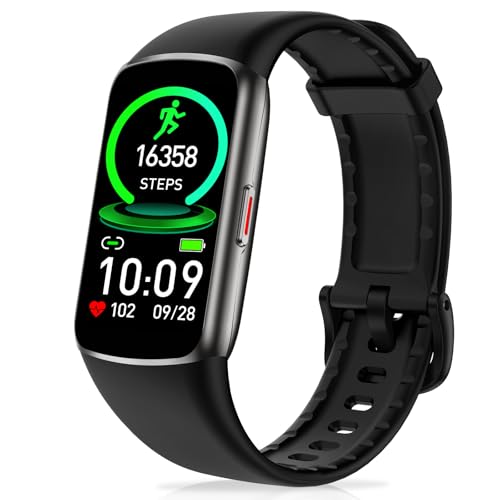
- Dedicated nightly sleep score in the Da Fit app
- 123 sports modes and a 1.47-inch AMOLED display
- 10–14-day battery life with IP68 water resistance
Best For: Sleep-centered recovery feedback
Best Overall Recovery Coach – WHOOP One Bundle
The WHOOP One Bundle is a strong choice if you want a fitness tracker with recovery score insights, continuous health monitoring, and personalized coaching. It combines the WHOOP 5.0 wearable with a 12-month membership, SuperKnit wristband, and charger.
Best For: Athletes and serious fitness users who want detailed sleep, recovery, strain, HRV, and VO2 max guidance.
Pros:
- Tracks heart rate, HRV, sleep, recovery, strain, and VO2 max.
- WHOOP Coach provides personalized recommendations for sleep, strain, and recovery.
- Comfortable adjustable SuperKnit band and 14+ day battery life.
Cons:
- The full feature set depends on the included membership and its renewal.
- Screenless design means you review results through a compatible smartphone.
This bundle stands out for its emphasis on actionable recovery data rather than basic step counting. The included membership and long battery life make it convenient for continuous tracking.
Best Budget-Friendly Feature Set – Screenless Fitness Tracker Smart Band
This screenless smart band is a practical fitness tracker with recovery score-style wellness data, including body energy, sleep, stress, heart rate, and SpO2 monitoring. It also adds 150+ sport modes, gesture controls, and a long-lasting battery.
Best For: Busy users who want broad everyday health and activity tracking without a display or frequent charging.
Pros:
- Monitors sleep, heart rate, SpO2, stress, calories, and body energy.
- Offers 150+ sport modes and 3ATM water resistance for workouts and daily wear.
- Up to 21 days of battery life, plus find-device and notification features.
Cons:
- Recovery insights are presented through body energy and wellness tracking rather than a specifically named recovery score.
- Requires Android or iOS app connectivity to review data and use smart features.
- Not intended for showers, saunas, hot springs, or other high-temperature water.
Choose this band if battery life and everyday versatility matter more than advanced training analytics. Its extensive sport-mode selection and wellness measurements make it a flexible general-purpose tracker.
Best for Strength Training – Amazfit Helio Strap
The Amazfit Helio Strap is a focused fitness tracker with recovery score functionality through its HybridCharge energy monitoring. It pairs heart-rate, fatigue, sleep, stress, and post-workout data with specific support for strength training and HYROX workouts.
Best For: Gym users and multisport athletes who want recovery guidance, training-load analysis, and rep, set, and rest tracking.
Pros:
- HybridCharge adapts to workouts, daily activity, and stress to monitor energy.
- Tracks training load, training effect, VO2 max, and recovery time.
- Supports strength training, HYROX mode, 27 sports modes, and 50-meter water resistance.
Cons:
- Battery life is up to 10 days, shorter than several competing screenless trackers.
- It has no built-in GPS, so GPS geotagging is not included.
- Some expanded functionality is designed to work with the Zepp App and compatible Amazfit smartwatch pairing.
The Helio Strap is especially compelling for structured training because it connects recovery with workout analysis. Its lack of GPS makes it better suited to gym-based and app-connected training than standalone outdoor navigation.
Best for Sleep and Recovery Insights – WHOOP 5.0
The WHOOP 5.0 is a screenless fitness tracker with recovery score insights built around continuous monitoring. Its 12-month WHOOP One membership, sleep analysis, HRV tracking, strain data, and AI coaching help connect daily habits with recovery.
Best For: Users prioritizing sleep quality, continuous recovery tracking, and personalized health recommendations.
Pros:
- Tracks heart rate, HRV, respiratory rate, VO2 max, sleep, strain, and recovery.
- Provides detailed sleep stages, sleep need, sleep debt, consistency, and efficiency data.
- Includes AI coaching, behavior journaling, women’s health insights, and 14+ day battery life.
Cons:
- The device is screenless, so metrics and recommendations are viewed in the WHOOP app.
- Advanced tracking features are tied to the included 12-month membership.
- The standard package includes a Basic Charger rather than the optional waterproof wireless PowerPack.
This model is a good fit when sleep and recovery are more important than on-device notifications or display-based workout feedback. Continuous HRV and heart-rate monitoring provide the foundation for its daily scores.
Runner's Choice – Polar Pacer Pro
For runners seeking a fitness tracker with recovery score tools, the Polar Pacer Pro combines a lightweight 41 g design with GPS, optical heart-rate monitoring, sleep tracking, and training features. Its dedicated running tools also track pace, distance, laps, and other workout metrics.
Best For: Runners who want GPS training data and recovery-focused tools in a lightweight watch.
Pros:
- Lightweight 41 g design built with runners in mind
- GPS and optical heart-rate monitoring with sleep and recovery tools
- Up to 35 hours of battery life in training mode and up to 7 days in watch mode
- Supports specialized training tools for more than 150 sports
Cons:
- Its 0.5-meter water-resistance depth is less suited to deeper-water use
- Uses a button-based interface rather than a touchscreen
The Pacer Pro is the strongest fit here for structured running and multi-sport training. Choose it if onboard GPS and training data matter more than a minimalist design.
Subscription-Free Recovery – Luna Band
The Luna Band is a screenless fitness tracker with recovery score potential built around continuous health signals rather than on-device viewing. It tracks HRV, heart rate, SpO2, skin temperature, sleep, and training metrics, while its LifeOS platform connects training information with recovery insights.
Best For: People who prefer discreet, screen-free 24/7 tracking without a subscription.
Pros:
- Tracks HRV, SpO2, skin temperature, heart rate, sleep, and training metrics
- Screenless design supports discreet, continuous wear
- No subscription required, with voice control and LifeOS micro apps
- Includes both S-M and M-L straps
Cons:
- No built-in GPS
- No display for viewing metrics directly on the band
- Its screenless approach may not suit users who want on-device workout feedback
The Luna Band is a distinctive option for recovery-minded users who want extensive biomarker tracking without a screen or recurring subscription. It is less appropriate if GPS or instant visual workout data is essential.
Everyday Wellness Pick – Fitbit Inspire 3
The Fitbit Inspire 3 is a compact fitness tracker with recovery score-related wellness features, including a sleep score, 24/7 heart-rate monitoring, stress management tools, and workout intensity tracking. It also offers smartphone-connected GPS and up to 10 days of battery life.
Best For: Everyday users who want accessible sleep, stress, heart-rate, and activity tracking.
Pros:
- Provides 24/7 heart-rate monitoring and a sleep score
- Includes stress management and workout intensity features
- Up to 10 days of battery life
- Water resistant to 50 meters and compatible with iOS and Android
Cons:
- GPS works through a smartphone rather than being built in
- The 0.7-inch display is relatively small for viewing workout information
The Inspire 3 is a practical choice for general wellness tracking and sleep-focused routines. Consider another model if you need standalone GPS or more advanced running-specific training tools.
Best Screenless Option – QwatchPro Smart Band
If you want a fitness tracker with recovery score-style insights without another screen on your wrist, this QwatchPro band focuses on sleep, HRV, heart rate, SpO2, stress, and daily energy trends. Its free app combines those measurements into AI-powered wellness insights, helping you decide when to train or prioritize rest.
Best For: People who prefer a lightweight, screen-free tracker with extended battery life and app-based recovery and wellness trends.
Pros:
- Tracks sleep stages, HRV, heart rate, SpO2, stress, and daily energy.
- Free QwatchPro app provides AI wellness insights without a subscription.
- Offers 170+ sports modes, smartphone-connected GPS, IP68 water resistance, and a 20–30-day battery.
- Lightweight 25g design is suitable for overnight wear.
Cons:
- No built-in display; data must be reviewed in the app.
- GPS works through a connected smartphone rather than independently.
- Readings are for reference only and the device is not medical equipment.
This is the strongest match for shoppers who want recovery-oriented metrics and minimal distractions. The combination of HRV, sleep, stress, and energy tracking is useful for spotting wellness trends, while the long battery life reduces charging interruptions.
Best Budget Display – C60 AMOLED Fitness Tracker
This C60 is a practical fitness tracker with recovery score-style sleep information, 24/7 heart-rate and blood-oxygen monitoring, and a compact AMOLED display. It provides sleep-stage reports in the Keep Health app while keeping everyday stats such as steps, distance, and calories visible on your wrist.
Best For: Shoppers who want an affordable, screen-based tracker for basic sleep, health, activity, and notification monitoring.
Pros:
- Tracks heart rate and blood oxygen throughout the day.
- Reports deep sleep, light sleep, and awake periods for review in the app.
- 1.1-inch AMOLED touchscreen supports customizable watch faces.
- Includes 70+ sports modes, IP68 water resistance, and up to seven days of regular-use battery life.
Cons:
- Its battery life is much shorter than the screenless QwatchPro band.
- The supplied notes describe sleep reports but do not specify a dedicated recovery score.
- Requires the Keep Health app and a compatible smartphone for setup and syncing.
The C60 makes sense if on-wrist visibility matters more than advanced recovery analysis. It covers the core metrics many users need, but buyers specifically seeking a named recovery score should verify the app’s current features before purchasing.
Best Sleep Score – Zeacool Fitness Tracker
The Zeacool tracker is a strong option if sleep feedback is your main route to recovery tracking. Its app analyzes deep sleep, light sleep, and awake periods to produce a nightly sleep score, alongside heart rate, blood oxygen, temperature, activity, and calorie data.
Best For: Users who want a visible smartwatch-style tracker with a dedicated nightly sleep score and a broad set of activity modes.
Pros:
- Provides a nightly sleep score based on sleep-stage analysis.
- Tracks heart rate, blood oxygen, sleep, temperature, steps, distance, and calories.
- Offers 123 sports modes and a 1.47-inch AMOLED touchscreen.
- Rated IP68 and provides up to 10–14 days of regular-use battery life.
Cons:
- The supplied information specifies a sleep score, not a broader recovery score combining training and readiness data.
- App-based tracking requires the Da Fit app and a compatible iPhone or Android phone.
- The product notes make broad waterproof-use claims, but buyers should still follow the manufacturer’s care guidance.
For shoppers searching for a fitness tracker with recovery score functionality, the Zeacool is appealing because its sleep score is explicitly listed. It is best viewed as a sleep-centered recovery aid rather than a full training-readiness platform.
How We Picked the Best Fitness Tracker with Recovery Score
We compared these trackers by looking at the recovery and readiness data they provide, including sleep quality, heart-rate variability (HRV), resting heart rate, workout load, blood oxygen, and related trends. We also considered whether insights require a subscription, how each device is worn, battery expectations, phone compatibility, water resistance, and the clarity of its companion app.
Because “recovery score” is not standardized across brands, some products provide a dedicated daily score while others offer recovery tools, readiness guidance, or the underlying measurements needed to judge fatigue. The most useful choice depends on whether you want automated coaching, detailed training metrics, or basic health tracking at a lower cost.
Quick Comparison
| Best For | Look For | Main Trade-Off |
|---|---|---|
| Automated recovery coaching | WHOOP membership and sleep-based insights | Ongoing subscription cost |
| Runners and structured training | GPS, training plans, and recovery tools | More watch-like and less discreet |
| Screen-free tracking | Lightweight band with app-based reports | Less information available at a glance |
| Everyday wellness | Sleep, stress, heart-rate, and activity features | Recovery guidance may be less specialized |
| Budget monitoring | Heart rate, SpO2, sports modes, and color display | App insights and sensor consistency may vary |
Key Buying Factors for a Fitness Tracker with Recovery Score
Recovery Data and Interpretation
Check which measurements drive the score and whether the app explains its recommendations. HRV, resting heart rate, sleep duration, sleep regularity, and recent exertion are especially useful when tracked consistently. A score is most valuable when it helps you decide whether to train hard, reduce intensity, or prioritize rest.
Subscription and Total Cost
Some advanced recovery platforms bundle membership access with the device, while others provide core tracking without recurring fees. Compare the first-year price with the long-term cost, and confirm which features remain available if you cancel.
Comfort, Battery, and Display
A comfortable tracker is more likely to collect reliable overnight data. Screenless bands can be discreet and distraction-free, while display-equipped models make workouts and notifications easier to check. Longer battery life reduces gaps in sleep and recovery records.
Training Features and Compatibility
Runners may benefit from built-in GPS, structured workouts, and training-load tools. Also verify iOS or Android compatibility, app quality, water resistance, charging design, and whether the device supports the sports you actually do.
Who Should Buy Which Fitness Tracker with Recovery Score?
Choose a WHOOP model if automated recovery coaching, sleep analysis, and training strain are your top priorities and you accept a membership. Pick the Polar Pacer Pro for running-focused training, GPS data, and recovery tools in a traditional smartwatch format.
Consider the Amazfit Helio Strap, Luna Band, or another screenless tracker if you prefer a lightweight, low-distraction wearable. The Fitbit Inspire 3 is a sensible everyday option for users who want established sleep, stress, activity, and heart-rate features. The screen-equipped budget trackers are better suited to shoppers who want basic health metrics, sports modes, and on-device information without paying premium prices.