The best compression socks for marathon training should support long-run comfort without creating hot spots, slipping, or excessive tightness. This roundup compares 10 options featuring different compression levels, materials, cushioning, heights, and pack sizes.
Whether you want full-foot coverage, footless calf sleeves, or an affordable multi-pair rotation, use the guide below to narrow your choices for training miles, race day, and recovery.
Best 10 Compression Socks for Marathon Training Picks for 2026
Best Sleeve Option
Rymora Calf Compression Sleeves
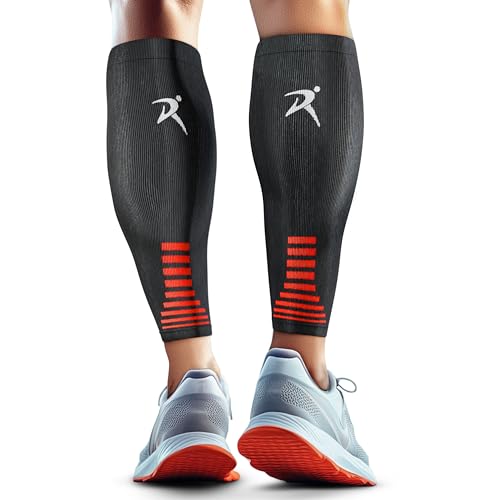
- Targeted graduated calf compression
- Useful during training and recovery
- Breathable, moisture-wicking washable blend
Best For: Runners who prefer calf support with separate running socks
Best Women’s Cushioned Pick
Coolmax Cloud Compression Socks

- 15–20 mmHg running compression
- Full-terry cushioning for reduced friction
- Three-pair set with seamless toes
Best For: Women seeking cushioned crew socks for regular training
Best Higher-Compression Value
FITRELL 20–30 mmHg Compression Socks
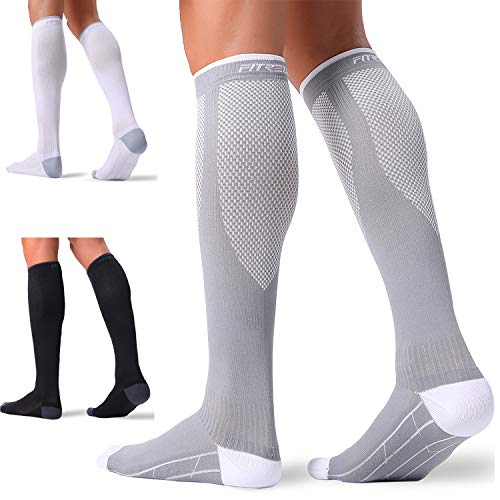
- Firm 20–30 mmHg graduated compression
- Cushioned soles and seamless toes
- Three knee-high pairs for training and travel
Best For: Runners wanting firmer support and versatile knee-high coverage
Best for Cushioned Road Miles
Arch-Support Compression Crew Socks

- 20–25 mmHg compression with targeted arch support
- Thick terry and Achilles cushioning for long miles
- Seamless toe and reinforced zones help limit friction
Best For: Road runners seeking cushioned support for marathon training
Best for Calf-Focused Support
BLITZU Footless Compression Sleeves

- Footless design works with your preferred running socks
- Graduated compression targets calf fatigue and swelling
- Kinesiology strips add targeted calf support
Best For: Runners prioritizing calf support and recovery
Best Value Multipack

- Eight-pair set supports frequent training rotation
- Medium graduated compression in a knee-high design
- Seamless, moisture-wicking fabric is machine washable
Best For: Runners wanting versatile compression socks in bulk
Lightweight Everyday Pick
Cushioned Crew Compression Socks

- 8-15 mmHg graduated compression
- Light heel and toe cushioning
- Three-pair breathable crew set
Best For: Runners wanting moderate support with minimal bulk
High-Compression Value Set
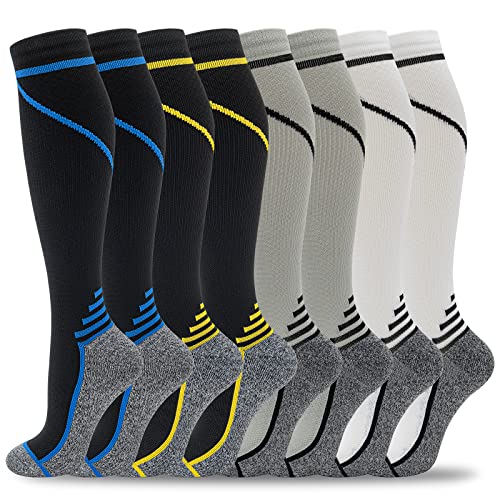
- Firm 20-30 mmHg compression
- Knee-high calf and ankle coverage
- Eight-pair assorted-color pack
Best For: Runners seeking firm support and multiple pairs
Arch-Support Training Pick
Athletic Crew Compression Socks

- Targeted 8-15 mmHg compression
- Triangle-pattern arch support
- Six-pair ventilated black set
Best For: Runners wanting moderate support and added arch stability
Best Anti-Blister Pick – Rahhint Coolmax Compression Running Socks
For runners seeking compression socks for marathon training, these Rahhint crew socks combine 15–20 mmHg graduated compression with moisture management and blister-focused construction. The 50% COOLMAX fabric is designed to move sweat away from the skin, while cushioning and a seamless toe support long-distance comfort.
Best For: Marathon, ultra-distance, hiking, and high-intensity training where sweat control and friction reduction matter.
Pros:
- 50% COOLMAX blend helps wick moisture and dry quickly.
- Anti-slip yarn, seamless toe construction, and cushioning target blister-causing friction.
- 15–20 mmHg graduated compression supports arches and calves.
- 200-needle knitting and anti-pilling treatment are designed for repeated washing.
Cons:
- Crew socks may not suit runners who prefer calf sleeves or knee-high coverage.
- The product is listed as a lightweight sock, so runners wanting maximum cushioning may prefer a thicker design.
Choose your regular size for a secure fit, or size up if you are between sizes or prefer a roomier feel. This is a practical all-around option when blister prevention is as important as compression.
Best Sleeve Option – Rymora Calf Compression Sleeves
These Rymora calf sleeves are a useful alternative to full compression socks for marathon training, especially if you want calf support while wearing your own running socks. Their graduated compression is intended to help legs feel lighter during activity and more refreshed during recovery.
Best For: Runners who want targeted calf compression for training, shin-splint support, or post-run recovery without changing their socks.
Pros:
- Graduated compression provides snug calf support during runs and workouts.
- Designed for use during recovery to help with post-exercise fatigue and stiffness.
- Nylon, polyester, and elastane blend offers breathable, moisture-wicking performance.
- Machine washable and made to retain its shape.
Cons:
- These are calf sleeves rather than complete socks, so they do not provide foot cushioning or toe protection.
- Accurate sizing requires measuring your calf; clothing size and height are not reliable substitutes.
Because the sleeves leave your feet uncovered, they work well when you already have a preferred pair of running socks. Follow the included calf measurement chart carefully for the intended fit.
Best Women’s Cushioned Pick – Coolmax Cloud Compression Socks
Designed for women who want cushioned compression socks for marathon training, this three-pair set combines 15–20 mmHg compression with COOLMAX fabric and full-terry cushioning. The moisture-wicking construction and seamless toe are aimed at keeping feet comfortable during demanding runs.
Best For: Active women who want a soft, cushioned crew sock for regular running and intense workouts.
Pros:
- 15–20 mmHg compression is designed to support muscles during running.
- COOLMAX fabric helps manage moisture and breathability.
- Full-terry loop cushioning helps reduce friction and impact.
- Seamless toe construction minimizes irritation, and the set includes three pairs.
Cons:
- The product is specifically positioned as a women’s running sock, limiting its intended audience.
- The notes do not specify a calf measurement range, so fit details may require checking the available size information.
This set is a sensible choice for runners who prioritize underfoot softness and a smooth toe area alongside moderate compression. Its crew-length design provides a familiar fit for everyday training.
Best Higher-Compression Value – FITRELL 20–30 mmHg Compression Socks
For runners looking for firmer compression socks for marathon training, the FITRELL set provides 20–30 mmHg graduated support in three knee-high pairs. It also adds cushioned soles, a seamless toe, breathable mesh around the calf, and support zones aimed at the plantar fascia and Achilles.
Best For: Runners and active adults who want higher compression, knee-high coverage, and a versatile three-pair set.
Pros:
- 20–30 mmHg graduated compression offers firmer support than the 15–20 mmHg options.
- Five compression zones are designed to support circulation, the plantar fascia, and Achilles.
- Thick sole cushioning and a seamless toe help with shock and friction protection.
- Three pairs work for running, travel, work, and recovery use.
Cons:
- Firmer compression can be more difficult to put on than lighter compression styles.
- Sizing depends primarily on calf measurement, with different ranges for S/M and L/XL.
- The thicker cushioned sole may feel less minimal inside close-fitting shoes.
Measure your calf before ordering and use the provided size ranges; the product specifically advises choosing by calf size first. This set stands out for runners who want stronger compression plus cushioning and broad everyday versatility.
Best for Cushioned Road Miles – Arch-Support Compression Crew Socks
For runners comparing compression socks for marathon training, this three-pack combines 20–25 mmHg graduated compression with targeted arch support and thick terry cushioning. The crew-height design also adds a seamless toe, Achilles cushioning, and moisture-wicking cotton-blend fabric for longer training sessions.
Best For: Road runners who want cushioned, supportive socks for marathon training, long runs, and gym workouts.
Pros:
- 20–25 mmHg compression and targeted arch support help provide a secure, stable feel.
- Thick terry cushioning absorbs impact, while Achilles cushioning helps reduce friction.
- Seamless construction and reinforced high-wear zones are designed to reduce hotspots and improve durability.
- Three-pair pack is machine washable and fits men’s sizes 6–16.
Cons:
- The thick cushioning may feel warmer or bulkier than lightweight racing socks.
- The product is specifically sized around men’s feet, limiting its fit range.
This is a strong choice when comfort, arch stability, and impact cushioning matter more than an ultralight feel. Its crew height and cotton-blend construction make it especially practical for everyday training and longer road miles.
Best for Calf-Focused Support – BLITZU Footless Compression Sleeves
These footless sleeves are an alternative to full compression socks for marathon training when calf support is the priority. Graduated compression, breathable nylon-spandex fabric, and patented kinesiology strips are designed for runners managing calf fatigue, shin splints, or post-workout recovery.
Best For: Runners who prefer footless calf coverage for training, recovery, shin-splint support, or long periods of standing.
Pros:
- Footless design lets runners pair the sleeves with their preferred running socks.
- Graduated compression is designed to support circulation and help reduce swelling and fatigue.
- Patented kinesiology strips provide targeted support and stability around the calf.
- Breathable 85% nylon and 15% spandex fabric is suitable for extended wear.
Cons:
- They do not provide foot, arch, or toe coverage like traditional compression socks.
- Fit depends on measuring the thickest part of the calf and selecting the appropriate size.
- The compression level is not specified in mmHg in the supplied product information.
Choose these sleeves if you already have a favorite pair of running socks or want to focus support on the lower legs. They are less suitable for runners seeking an all-in-one sock with cushioning or blister protection.
Best Value Multipack – Knee-High Compression Socks
For shoppers who want several pairs for marathon training and everyday wear, this eight-pair set offers medium graduated compression in a knee-high design. The seamless, moisture-wicking polyester-spandex fabric is intended for running, travel, nursing, and other activities that involve extended time on your feet.
Best For: Runners and active users who want an affordable multi-pair rotation for training, travel, and daily wear.
Pros:
- Eight-pair bundle makes it convenient to rotate socks throughout a training week.
- Medium graduated compression is designed to support circulation from the feet through the calves.
- Knee-high, seamless construction with moisture-wicking fabric suits running and long periods of wear.
- Machine washable and available in two broad size ranges based primarily on calf measurement.
Cons:
- The compression is described as medium, but no specific mmHg rating is provided.
- The broad S/M and L/XL sizing may require careful calf measurement for a good fit.
- The set may offer less specialized cushioning or arch support than dedicated running socks.
This set is a practical value pick for building a sock rotation, especially if you also travel or spend long shifts standing. Runners seeking precise compression specifications or performance-focused cushioning may prefer a more specialized pair.
Lightweight Everyday Pick – Cushioned Crew Compression Socks
For shoppers comparing compression socks for marathon training, this three-pair crew set offers lightweight 8-15 mmHg graduated compression, targeted cushioning, and a close fit. The seamless toe, moisture-wicking fabric, and wide cuff are practical details for long runs and everyday wear.
Best For: Runners who want moderate support, minimal bulk, and light cushioning for training, recovery, or daily activity.
Pros:
- Graduated 8-15 mmHg compression is designed to support circulation and reduce fatigue.
- Light cushioning at the heel and toe adds protection without a bulky feel.
- Breathable, moisture-wicking blend includes a seamless toe and wide cuff to help limit slipping.
Cons:
- Moderate compression may not suit shoppers seeking firmer 20-30 mmHg support.
- The listing provides a three-pair white set, limiting color variety.
This is a sensible option when comfort, breathability, and a slim running fit matter more than maximum compression. Its crew height may also appeal to runners who prefer less coverage than knee-high socks.
High-Compression Value Set – 20-30 mmHg Knee-High Socks
These eight-pair knee-high socks stand out among compression socks for marathon training with firmer 20-30 mmHg compression and calf-to-ankle coverage. They also include progressive compression, arch support, reinforced heel and toe areas, and multiple size options.
Best For: Runners and active users who prefer firm knee-high compression and want a large, versatile sock rotation.
Pros:
- 20-30 mmHg compression is designed for circulation support during running, travel, standing, or pregnancy.
- Knee-high coverage helps support the calves and ankles, while arch support adds structure.
- Eight-pair value pack offers several color options and is machine washable.
Cons:
- Firmer compression may feel less comfortable for shoppers accustomed to lightweight support.
- Only S/M and L/XL sizing are listed, so careful foot and calf measurement is important.
- Care instructions recommend laying the socks flat to dry rather than using an unrestricted drying routine.
Choose this set if you prioritize stronger compression, broad use cases, and quantity. Confirm the size chart and consider whether knee-high coverage and firm pressure match your training preferences.
Arch-Support Training Pick – Athletic Crew Compression Socks
For compression socks for marathon training that balance support and everyday versatility, this six-pair PAPLUS set uses targeted 8-15 mmHg compression with a dedicated arch-support pattern. Mesh ventilation, reinforced heel and toe sections, and a mid-calf crew height round out the running-focused design.
Best For: Runners who want moderate compression with added arch stability and breathable coverage for training, travel, or daily wear.
Pros:
- Targeted 8-15 mmHg zones are designed to support circulation, reduce fatigue, and aid recovery.
- Triangle-pattern arch support helps stabilize the medial and lateral sides of the foot.
- Mesh ventilation and reinforced heel and toe areas support breathability and durability.
Cons:
- The crew design provides less coverage than knee-high compression socks.
- The listed color option is a six-pair black set, with no color variety noted.
- Only S/M and L/X sizes are listed, so shoppers should use the provided size chart.
This set is a strong middle ground for runners who value foot stability without moving to firmer compression. The six-pair quantity also makes it practical for maintaining a regular training rotation.
How We Picked the Best Compression Socks for Marathon Training
We focused on features that matter during repeated long runs: secure fit, breathable and moisture-managing materials, graduated or supportive compression, cushioning, seam comfort, durability, and ease of care. We also included both traditional knee-high socks and footless calf sleeves so runners can match compression with their preferred running socks.
Because comfort and fit vary by runner, this list includes options across several price points, pack sizes, compression ratings, and intended uses. Product claims such as 20–30 mmHg should be checked against the manufacturer’s sizing and care instructions before purchase.
Quick Comparison
| Type | Best For | What to Look For |
|---|---|---|
| Knee-high compression socks | All-in-one coverage for training and racing | Breathable fabric, stable cuff, cushioning, accurate sizing |
| Calf compression sleeves | Runners who prefer separate running socks | Non-slip fit, comfortable top and bottom edges, flexible calf coverage |
| Multi-pair packs | Frequent training and laundry rotation | Consistent sizing, wash durability, useful color selection |
| Lightly cushioned socks | Runners using cushioned shoes or insoles | Low-bulk construction and smooth toe seams |
Key Buying Factors for Compression Socks for Marathon Training
Compression Level and Fit
More compression is not automatically better. Moderate support can suit many runners, while a 20–30 mmHg design may feel firmer and require more care when putting it on. Measure your calf and check the brand’s chart rather than choosing by shoe size alone. The sock should feel supportive, not painful, numb, or restrictive.
Materials and Moisture Control
Look for technical fibers such as Coolmax-style polyester blends, nylon, or elastane that move moisture and retain shape. Breathability is especially important for marathon training in warm conditions. A secure cuff should stay in place without digging into the skin.
Cushioning and Blister Prevention
Target cushioning under the heel and forefoot if you want impact protection. However, thick padding can change shoe fit and increase heat. Smooth toe seams, anti-blister construction, and reduced friction may matter more than maximum thickness for runners prone to hot spots.
Height, Coverage, and Care
Knee-high socks offer compression and coverage in one garment. Sleeves let you select your own running socks and can simplify washing, but they do not protect the foot. Follow laundering instructions closely; heat and fabric softener can reduce elasticity over time.
Who Should Buy Which Compression Socks for Marathon Training?
- Choose knee-high compression socks if you want an integrated option for long runs, travel, racing, or recovery.
- Choose calf sleeves if you already have favorite running socks or want to adjust foot cushioning separately.
- Choose a multi-pair pack if you train several days per week and want a practical rotation between washes.
- Choose cushioned styles if your shoes have room and you prefer extra underfoot comfort.
- Choose lighter, moisture-focused styles if you run hot or wear snug-fitting shoes.
Compression garments are not a substitute for medical care. If you have circulation problems, swelling, numbness, or a diagnosed vascular condition, ask a healthcare professional which compression level is appropriate before buying.